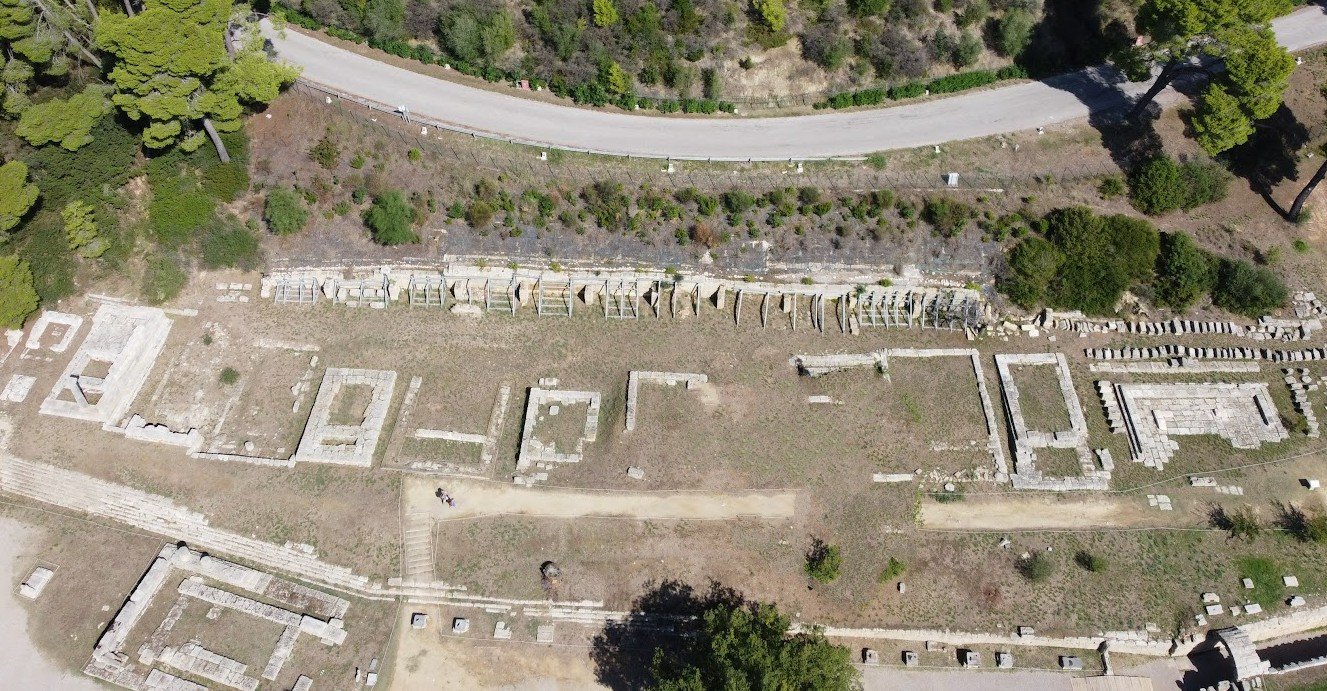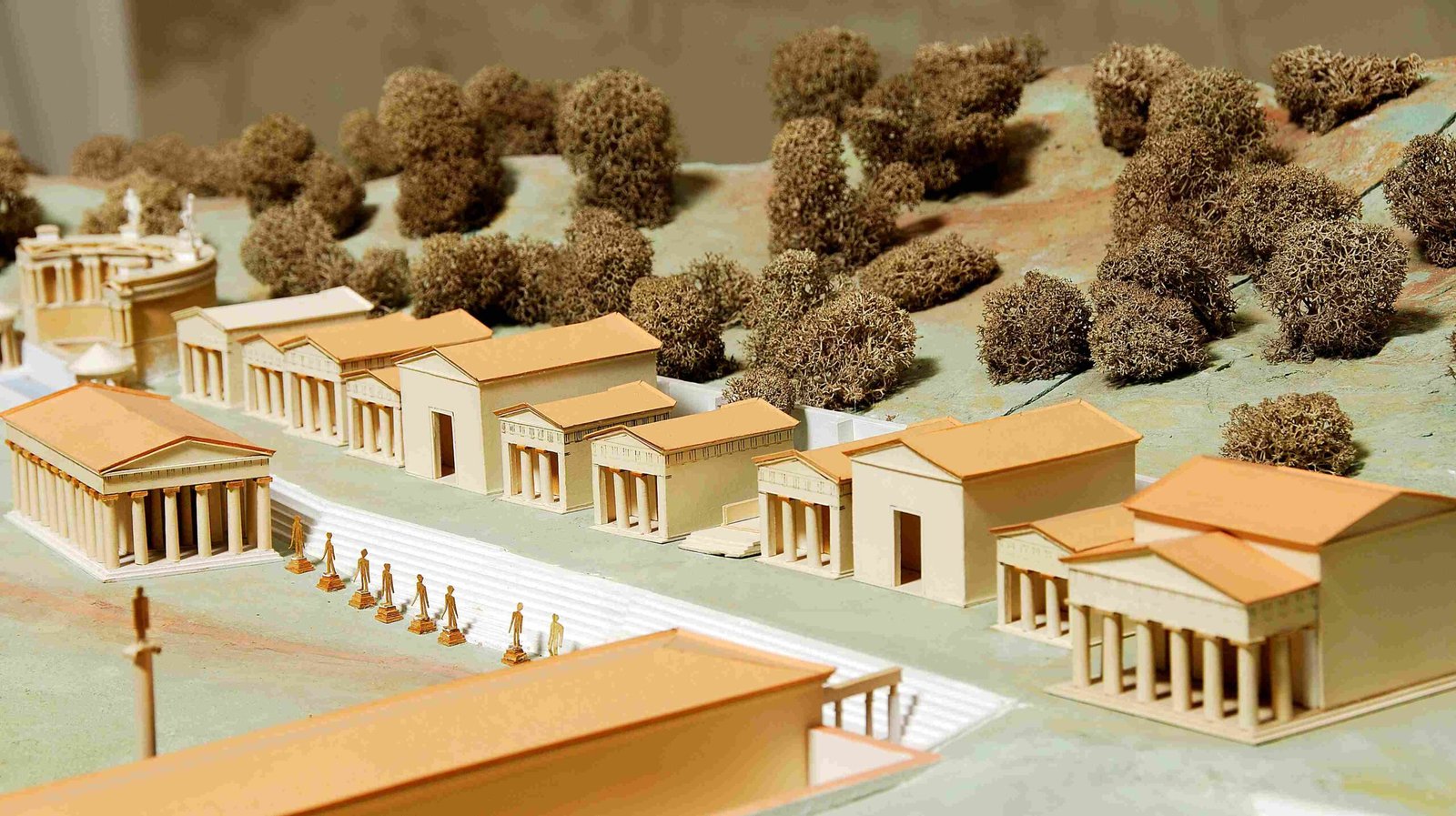
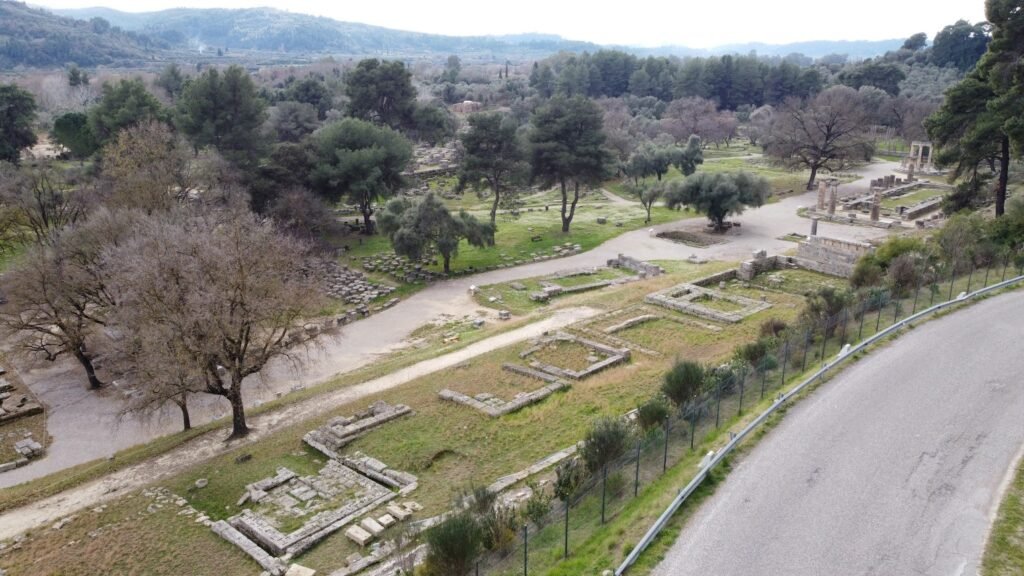
Οι Θησαυροί της Ολυμπίας σχημάτιζαν ένα χαρακτηριστικό άνδηρο στη νότια πλευρά του Κρονίου λόφου, δημιουργώντας ένα από τα πιο επιβλητικά σύνολα του ιερού.
Τα μικρά αυτά οικοδομήματα σε μορφή ναού ανεγέρθηκαν κυρίως από πόλεις της Μεγάλης Ελλάδας (νότια Ιταλία και Σικελία) καθώς και άλλες ισχυρές πόλεις-κράτη της αρχαιότητας. Αποστολή τους ήταν να στεγάσουν πολύτιμα αναθήματα προς τον Δία και να επιδείξουν την ευσέβεια και την ευημερία της πόλης-χορηγού σε όλο τον ελληνικό κόσμο.
Αφορούν κυρίως την Αρχαϊκή και Κλασική περίοδο, εποχές όπου η φήμη των Ολυμπιακών Αγώνων κορυφώθηκε και οι ελληνικές πόλεις συναγωνίζονταν στην επίδειξη ευλάβειας με σπουδαία οικοδομήματα και αναθήματα μεγάλης αξίας.
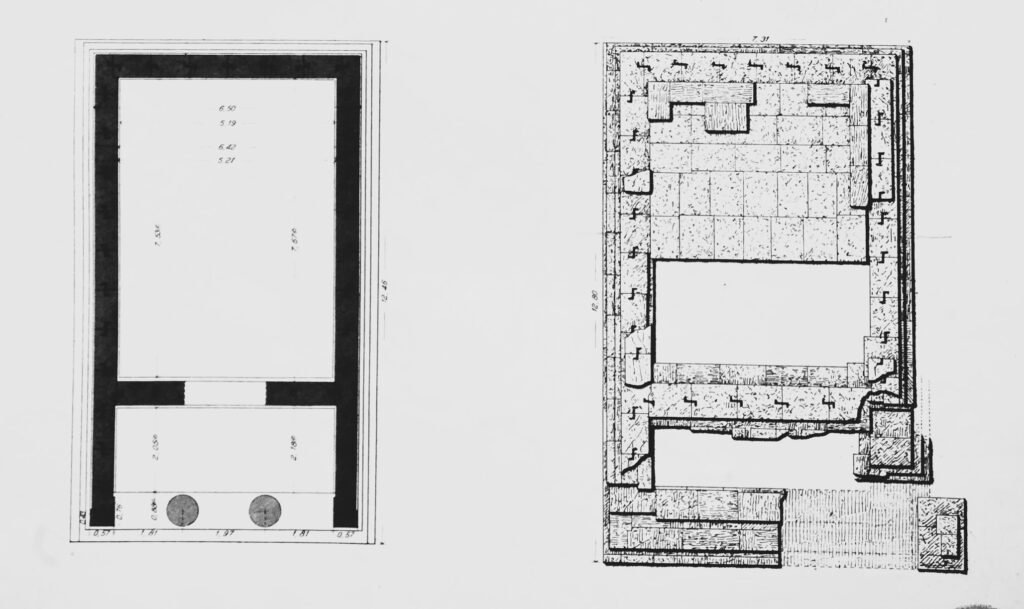
Κάθε Θησαυρός είχε τη μορφή μικρού ναού με ορθογώνιο σηκό (cella) και πρόναο με κίονες, συχνά με δίστηλο πρόπυλο μεταξύ παραστάδων.
Οι Θησαυροί της Ολυμπίας ήταν ομοιόμορφα Δωρικού ρυθμού. Παρά τις επιμέρους τοπικές διαφοροποιήσεις στη διακόσμηση ή τα υλικά, ακολουθούσαν όλοι τον Δωρικό ρυθμό, ο οποίος δέσποζε στο ιερό μέχρι την ελληνιστική εποχή. Η παρατακτική οικοδόμηση των Θησαυρών στην Ολυμπία παρουσιάζει μια εντυπωσιακή ομοιομορφία στην αρχιτεκτονική και τον προσανατολισμό, γεγονός που έρχεται σε άμεση αντίθεση με τον «τυχαίο» τρόπο συσσώρευσης Θησαυρών στους Δελφούς, όπου συνυπήρχαν διαφορετικοί ρυθμοί (συμπεριλαμβανομένων των Ιωνικών Θησαυρών των Μικρασιατικών πόλεων).
Κρίσιμης σημασίας ήταν το γεγονός ότι οι προσόψεις των Θησαυρών ήταν στραμμένες προς την ιερή Άλτη και τον δρόμο προς το στάδιο. Έτσι, εξασφαλιζόταν η μέγιστη ορατότητα στους επισκέπτες, καθιστώντας τα κτίρια αυτά ισχυρά «μέσα προβολής» και επίδειξης μεταξύ των πόλεων.
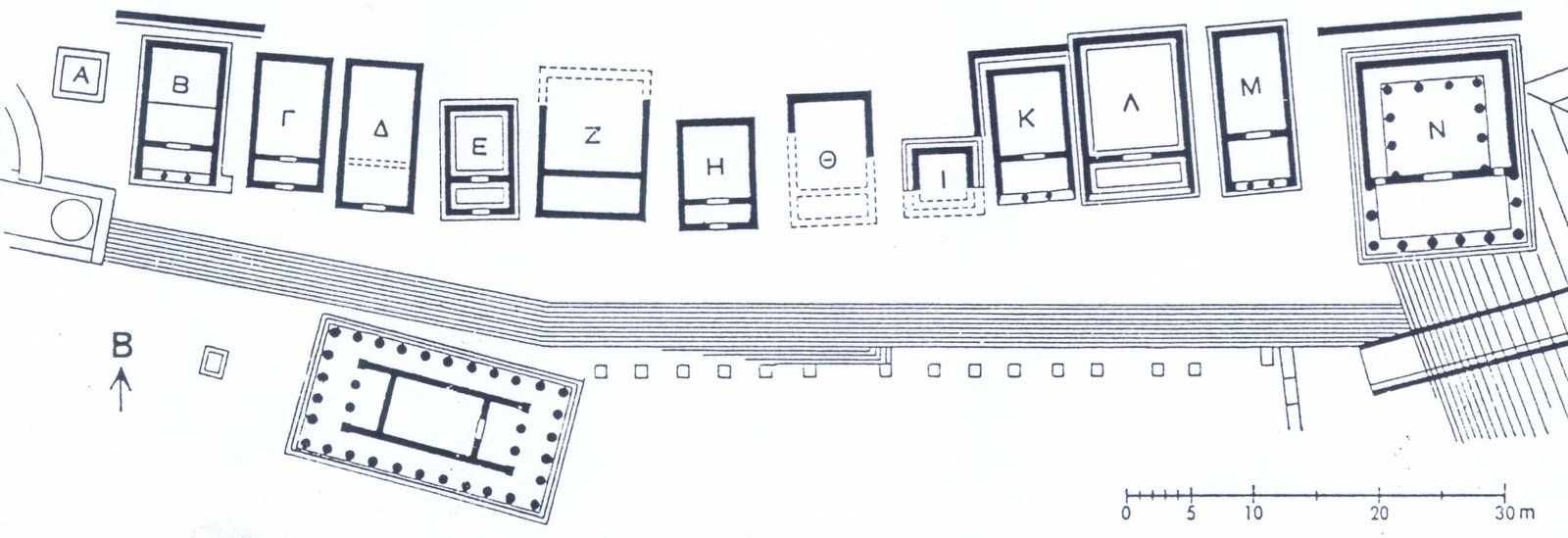
Παρατεταγμένοι στη νότια πλαγιά του Κρονίου Λόφου, οι θησαυροί αποτελούσαν ένα από τα πιο εντυπωσιακά αρχιτεκτονικά σύνολα του ιερού. Χτισμένα κυρίως από ελληνικές πόλεις-κράτη της Μεγάλης Ελλάδας και άλλων ισχυρών περιοχών, αυτά τα ναόσχημα οικοδομήματα επιδείκνυαν τον αστικό πλούτο, την ευσέβεια και το κύρος τους. Χρονολογούμενοι στον 6ο και 5ο αιώνα π.Χ., οι θησαυροί αντανακλούν την ακμή της Ολυμπίας κατά την Αρχαϊκή και Κλασική περίοδο, όταν οι πόλεις ανταγωνίζονταν για να τιμήσουν τον Δία μέσω μνημειώδους αρχιτεκτονικής και πολύτιμων αναθημάτων.
Κάθε θησαυρός ακολουθούσε τη βασική διάταξη ενός ναού σε μικρογραφία, με έναν ορθογώνιο σηκό και μια κιονοστοιχία στην πρόσοψη, συχνά δίστυλο εν παραστάσι. Οι αρχιτεκτονικοί τους ρυθμοί ποίκιλλαν ανάλογα με τη χορηγό πόλη —οι δωρικές μορφές από την ηπειρωτική Ελλάδα έρχονταν σε αντίθεση με τις ιωνικές μορφές από τις ανατολικές αποικίες— δημιουργώντας μια ποικιλόμορφη αλλά ενιαία όψη. Τοποθετημένοι έτσι ώστε να βλέπουν προς την Άλτι και το μονοπάτι προς το στάδιο, οι θησαυροί ήταν σκόπιμα τοποθετημένοι για να μεγιστοποιούν την ορατότητά τους και την προπαγανδιστική τους επίδραση.
Στο εσωτερικό των θησαυρών, οι πόλεις φύλασσαν πολύτιμα αναθήματα αφιερωμένα στον Δία: χάλκινα και μαρμάρινα αγάλματα, σκεύη πολυτελείας, οπλισμό και πολύτιμα λάφυρα πολέμου. Αυτά τα αντικείμενα σηματοδοτούσαν στρατιωτικές και αθλητικές νίκες ή οικονομική ευημερία. Η συγκέντρωση τέτοιου πλούτου στην Ολυμπία υπογράμμιζε τη θρησκευτική σημασία του ιερού και απαιτούσε αυστηρή ασφάλεια και διαχείριση.
Επιγραφές στα κτίρια δήλωναν τους χορηγούς τους και τις νίκες ή τα γεγονότα που οδήγησαν στην κατασκευή τους, μετατρέποντας ουσιαστικά τους θησαυρούς σε μόνιμες δημόσιες διαφημιστικές πινακίδες. Η αρχαιολογία έχει ταυτοποιήσει θησαυρούς από τη Σικυώνα, τις Συρακούσες, την Επίδαμνο, το Βυζάντιο, τη Σύβαρη, την Κυρήνη, τον Σελινούντα, το Μεταπόντιο, τα Μέγαρα και τη Γέλα. Αυτή η ευρεία γεωγραφική εξάπλωση αποδεικνύει την πανελλήνια ταυτότητα της Ολυμπίας και τον ρόλο της ως κοινό θρησκευτικό και πολιτικό κέντρο του ελληνικού κόσμου.
Ο Θησαυρός των Σικυωνίων ήταν ο πρώτος στο δυτικό άκρο του ανδήρου και ένας από τους παλαιότερους. Αφιερωμένος από τον Μύρωνα της Σικυώνας, είχε διαστάσεις περίπου 12,46 × 7,30 μέτρα. Ο ίδιος ο Παυσανίας σημείωσε τη σημασία του. Η κατασκευή του υπογραμμίζει την ανταγωνιστική ορμή των ελληνικών πόλεων-κρατών —ιδιαίτερα εκείνων από τη Δύση— να προβάλουν την πολιτιστική και πολιτική τους ισχύ μέσω μνημειωδών αναθημάτων στην Ολυμπία.
Σήμερα, οι επισκέπτες μπορούν ακόμα να εντοπίσουν τα περιγράμματα των θησαυρών κατά μήκος του ανδήρου στη βάση του Κρονίου Λόφου. Οι ανασκαφές έχουν φέρει στο φως πολυάριθμα πήλινα αρχιτεκτονικά θραύσματα, συμπεριλαμβανομένων έντονα ζωγραφισμένων κομματιών και ακρωτηρίων, όπως ένα σύμπλεγμα Σατύρου και Μαινάδας. Το αποκατεστημένο αέτωμα του Θησαυρού των Μεγαρέων, που απεικονίζει τη Γιγαντομαχία και εκτίθεται τώρα στο Αρχαιολογικό Μουσείο Ολυμπίας, αποτελεί ένα από τα ωραιότερα σωζόμενα έργα τέχνης από αυτά τα οικοδομήματα.
Οι Θησαυροί στέγαζαν αναθήματα μεγάλης αξίας, τα οποία τους καθιστούσαν κυριολεκτικά θησαυροφυλάκια. Περιλάμβαναν χάλκινα και μαρμάρινα αγάλματα, περίτεχνες πανοπλίες και όπλα ως λάφυρα πολέμου, πολύτιμα μεταλλικά αγγεία και άλλα πολυτελή αφιερώματα προς τον Δία από ευγνώμονες πόλεις.
Τα αφιερώματα συνήθως γιόρταζαν στρατιωτικές ή αθλητικές νίκες ή την οικονομική άνθηση της πόλης και αντιπροσώπευαν τεράστιο πλούτο, αποτελώντας κάποια από τα πιο πολύτιμα κινητά αντικείμενα της αρχαίας Ελλάδας. Αυτή η συσσώρευση πλούτου ενίσχυε το κύρος του ιερού και αντιμετώπιζε αναπόφευκτες προκλήσεις ασφάλειας.

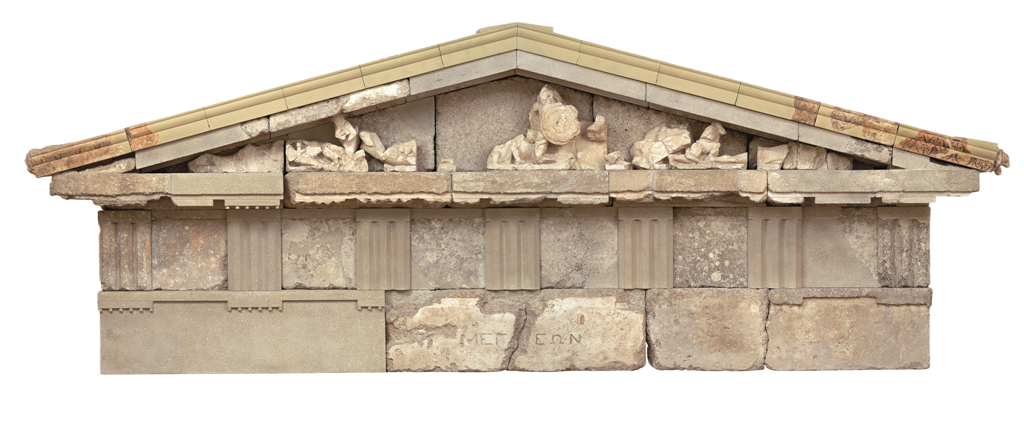
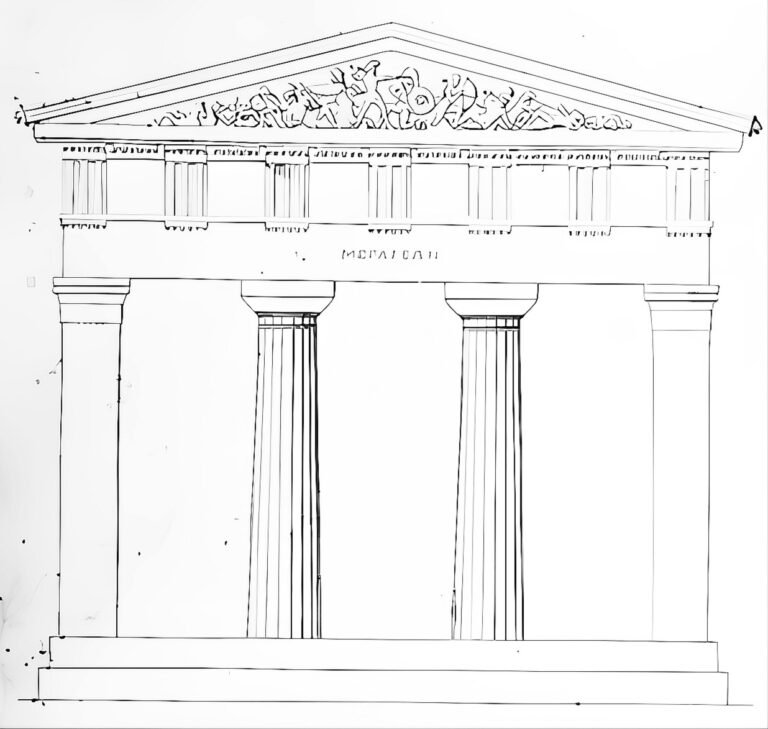
ιΕπιγραφές στους θησαυρούς προσδιόριζαν τους χορηγούς τους και συχνά μνημόνευαν συγκεκριμένα γεγονότα ή νίκες που οδήγησαν στην κατασκευή του κτιρίου.
Αυτά τα κείμενα μετέτρεψαν τις κατασκευές σε μόνιμη «διαφήμιση», προβάλλοντας τα επιτεύγματα και την ευσέβεια των πόλεων στους χιλιάδες επισκέπτες που παρακολουθούσαν τις Ολυμπιακές πανηγύρεις.
Ένας θησαυρός που χρηματοδοτήθηκε από μια αποικιακή πόλη, για παράδειγμα, διακήρυττε την ευημερία και την πολιτιστική άνθηση της κοινότητας αυτής, αποδομώντας διακριτικά πιθανές προκαταλήψεις σχετικά με το ότι οι περιφερειακές αποικίες ήταν κατώτερες από τις ηπειρωτικές πόλεις.
Οι συγκεκριμένοι θησαυροί που εντοπίστηκαν μέσω αρχαιολογικών και επιγραφικών στοιχείων περιλαμβάνουν κτίρια από τη Σικυώνα, τις Συρακούσες, την Επίδαμνο, το Βυζάντιο, τη Σύβαρη, την Κυρήνη, τον Σελινούντα, το Μεταπόντιο, τα Μέγαρα και τη Γέλα, μεταξύ άλλων.
Αυτή η γεωγραφική ποικιλομορφία επιβεβαιώνει τον πραγματικά πανελλήνιο χαρακτήρα της Ολυμπίας, λειτουργώντας ως κεντρικός θρησκευτικός και πολιτικός θεσμός για όλους τους Έλληνες.
Μεταξύ των αναγνωρισμένων κτισμάτων, ο Θησαυρός της Σικυώνας διακρίνεται ως ο πρώτος θησαυρός και ένας από τους παλαιότερους.
Ήταν περίφημα αφιερωμένος από τον Μύρωνα της Σικυώνος και είχε διαστάσεις περίπου 12,46 επί 7,30 μέτρα. Η σημασία της πόλης υπογραμμίζεται από τον ιστορικό Παυσανία, ο οποίος ανέφερε συγκεκριμένα τον θησαυρό της Σικυώνας στην αφήγησή του.
Αυτή η συγκεκριμένη αφιέρωση αποτελεί παράδειγμα του ανταγωνιστικού πνεύματος και της επένδυσης που επέδειξαν οι μεμονωμένες πόλεις.
Η Σικυών, όπως και άλλες κυρίως από τη Μεγάλη Ελλάδα και τη Δύση, χρησιμοποίησε το Ολυμπιακό ιερό για να προβάλει τη δύναμη, τον πλούτο και την πολιτιστική της εξέχουσα θέση στη διεθνή σκηνή.
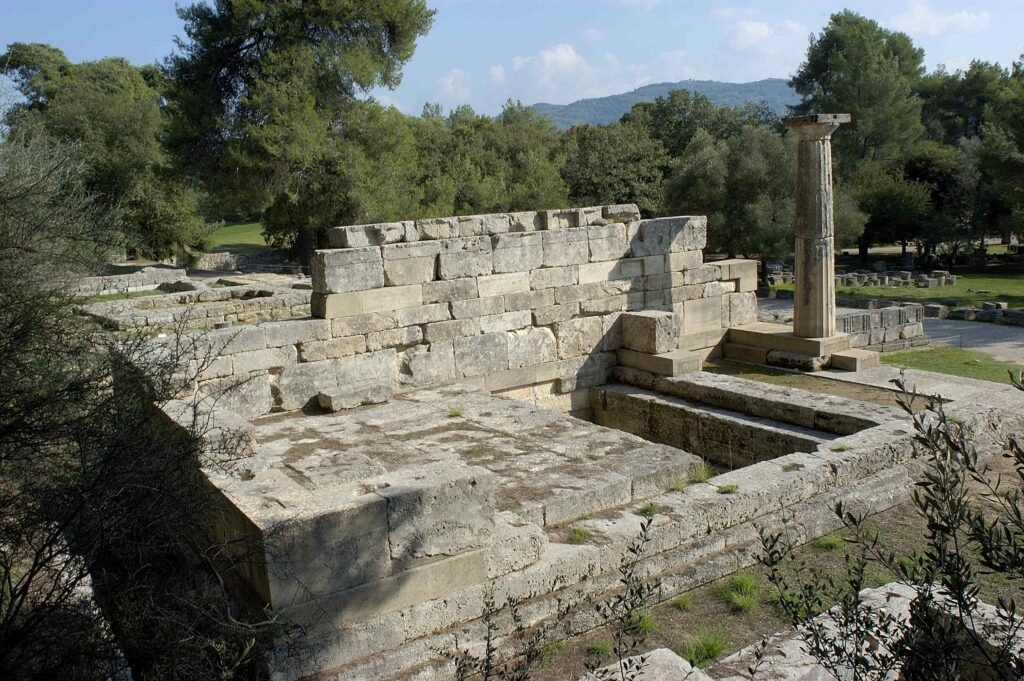
Σήμερα, το άνδηρο των θησαυρών παραμένει ένα από τα πιο υποβλητικά σημεία του χώρου της Ολυμπίας, με τα θεμέλια και τις κατώτερες σειρές πολλαπλών κτιρίων να είναι ακόμη ορατά στην αρχική τους διάταξη στους πρόποδες του Κρόνιου λόφου.
Οι ανασκαφές αποκάλυψαν πολυάριθμα ευρήματα, συμπεριλαμβανομένου ενός μεγάλου αριθμού πήλινων αρχιτεκτονικών μελών με εντυπωσιακή ζωγραφισμένη διακόσμηση, και θραύσματα πήλινων συμπλεγμάτων, όπως ένας Σάτυρος και μια Μαινάδα, που πιθανότατα χρησίμευαν ως ακρωτήρια.
Αξίζει να σημειωθεί ότι το αναστηλωμένο αέτωμα του Θησαυρού των Μεγάρων, που απεικονίζει τη Γιγαντομαχία, εκτίθεται τώρα στο Αρχαιολογικό Μουσείο της Ολυμπίας.
Περπατώντας κατά μήκος του αναλήμματος των Θησαυρών, οι επισκέπτες μπορούν να εκτιμήσουν την κλίμακα της αρχαίας ελληνικής ανταγωνιστικής ευσέβειας και τη δημιουργική συνύπαρξη της θρησκείας, της πολιτικής, της οικονομίας και της τέχνης που χαρακτήριζε το Ολυμπιακό ιερό.