Public and secular buildings
“In Olympia I felt that the soil still holds the warmth of the bodies that fought for glory that cannot be bought.”
Nikos Kazantzakis – Traveling
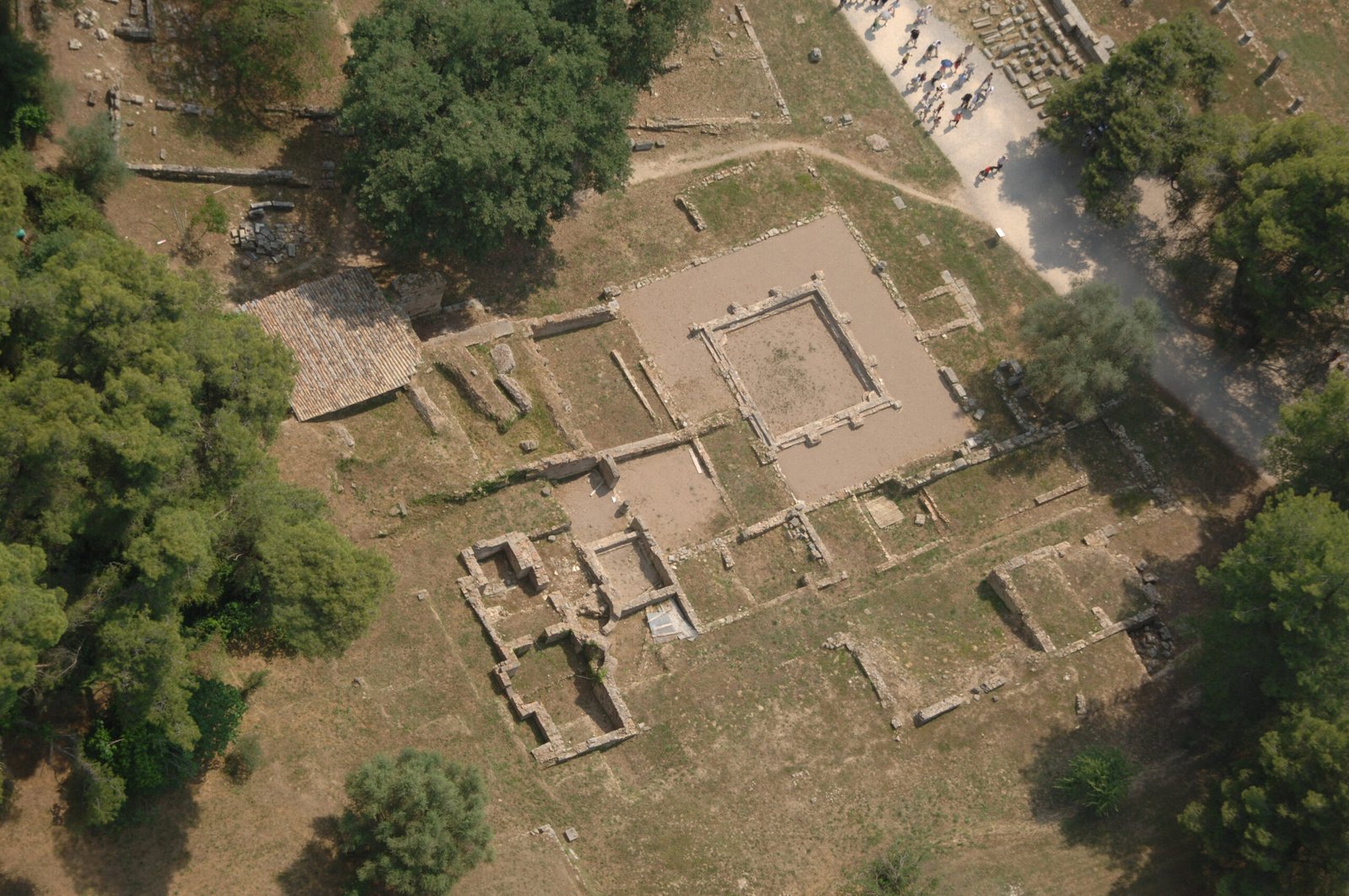
The Kronios Baths The Kronios Baths are situated in the northern sector of the archaeological site of Olympia, strategically positioned at the foot of Mount Kronios and north of the Prytaneion. Known also as the “Northern Baths,” the complex was constructed during Roman times over the remains of earlier structures to serve the needs of
The Kladeos baths Located at the western edge of the sanctuary, on the east bank of the Kladeos River, they lie outside the sacred precinct of the Altis. The complex was constructed around 100 AD during the Roman period, built directly over the site of the 5th-century BC open-air swimming pool of the earlier Greek
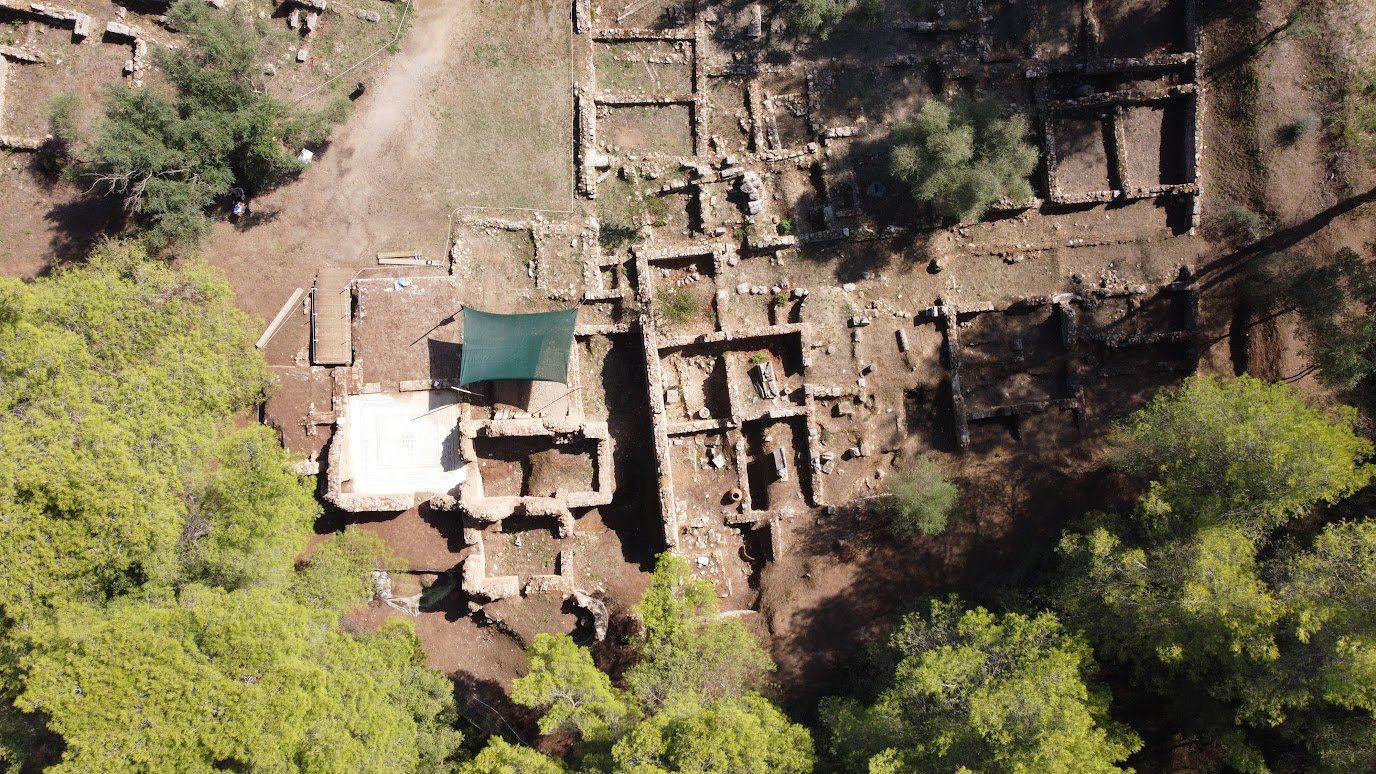
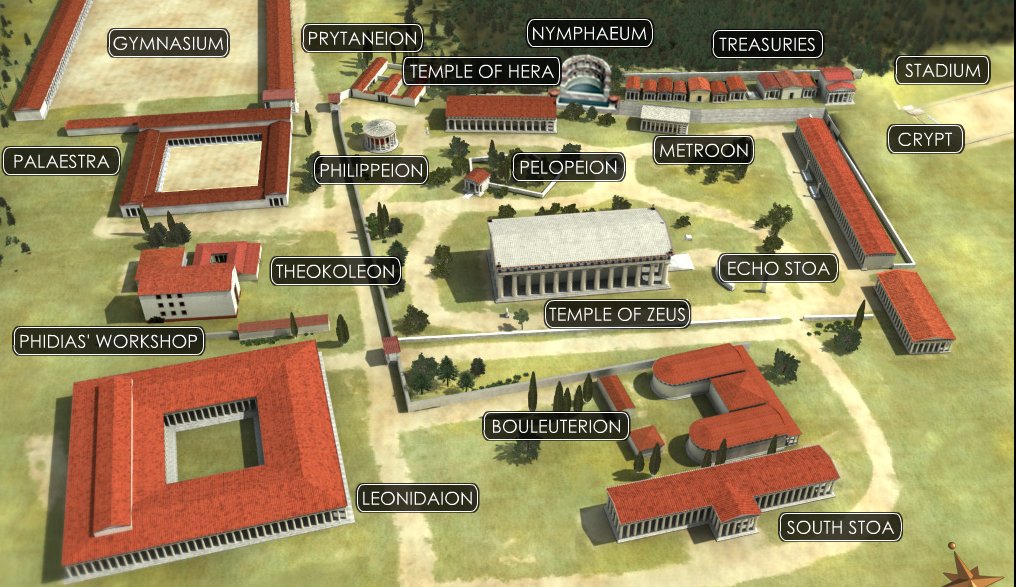
The Leonidaion Baths The so-called Baths of Leonidaion are located outside the southwest corner of the sacred precinct of Altes. They owe their name to the nearby Leonidaion (the guesthouse for distinguished officials), although the two buildings were not functionally related in antiquity. The bath complex was constructed in the 3rd century AD and remained
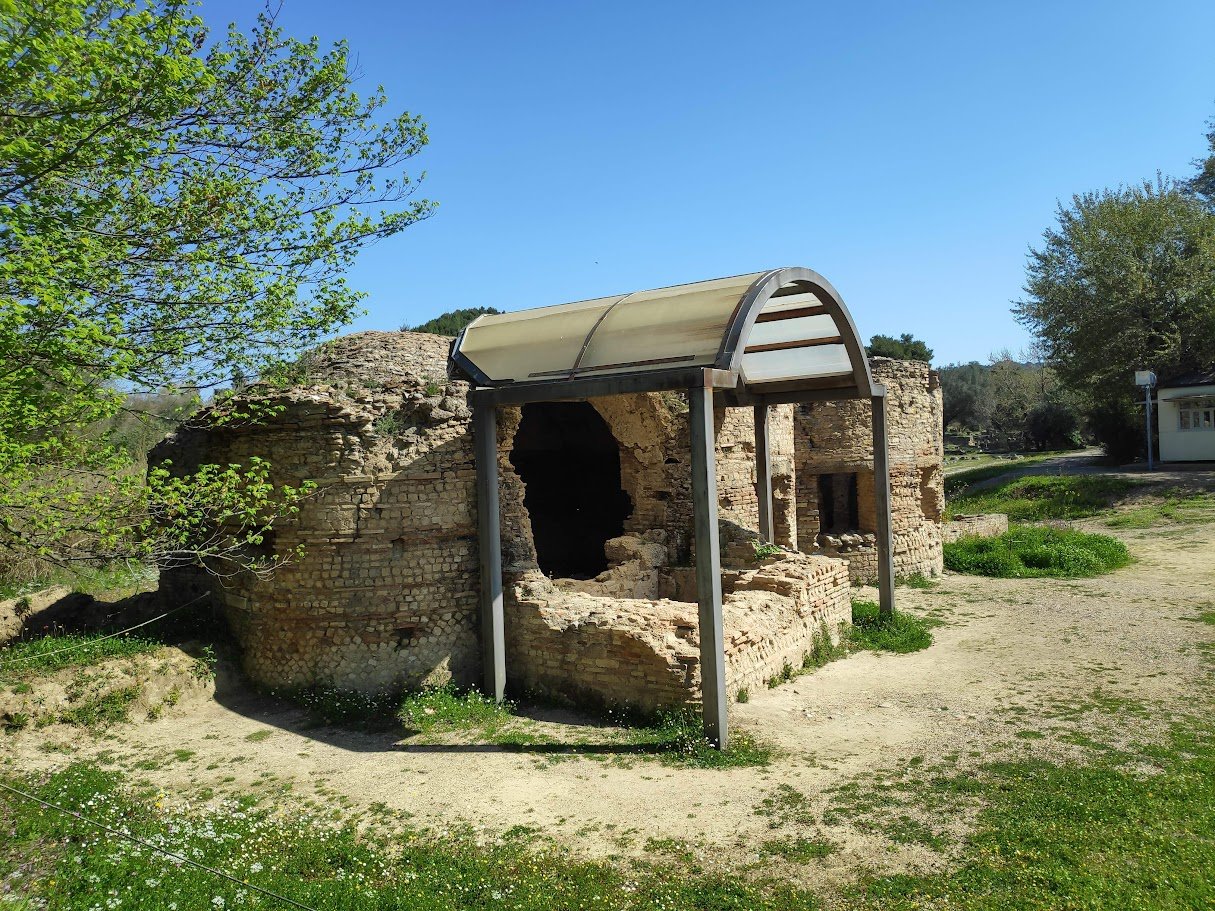
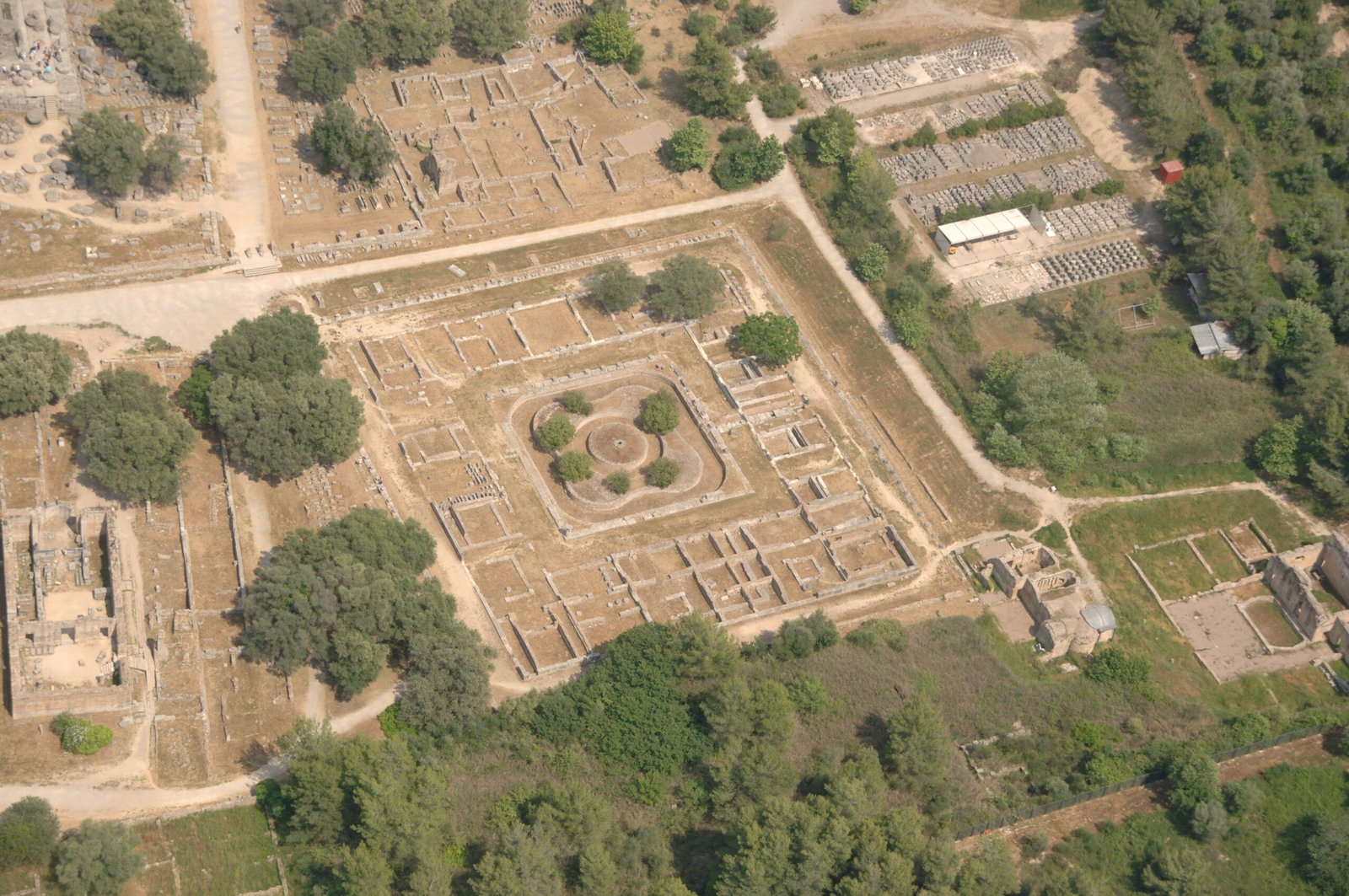
The South thermae The Southern Baths are an important Roman bath complex located in the southern part of the archaeological site of Olympia, a short distance from the Temple of Zeus and west of the Bouleuterion. Historical Development and Structure The complex of South Thermae covers an area of approximately 1.55 acres. The choice of
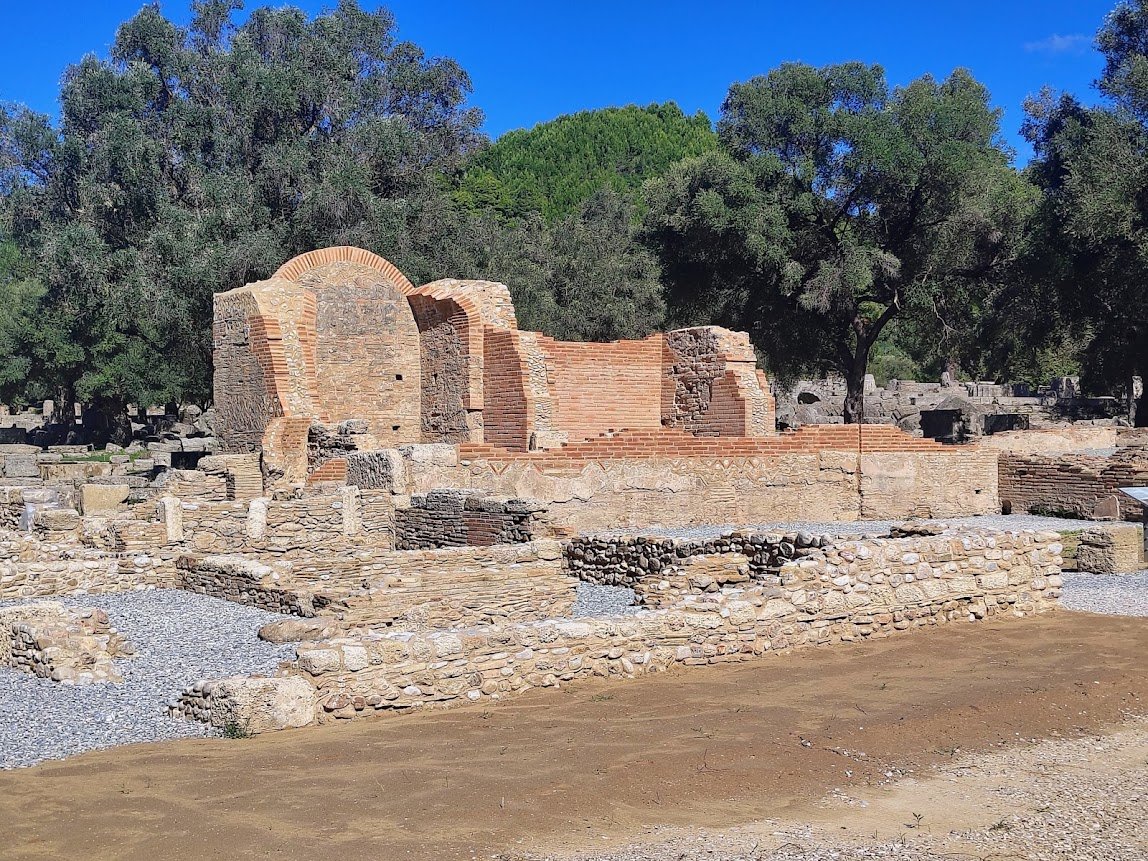
The workshop of Phidias a symbol of divine majesty The Workshop of Pheidias is one of the most significant monuments at Olympia, directly linked to the creation of the chryselephantine statue of Zeus, one of the Seven Wonders of the Ancient World. The building is strategically located west of the sacred Altis enclosure, directly opposite
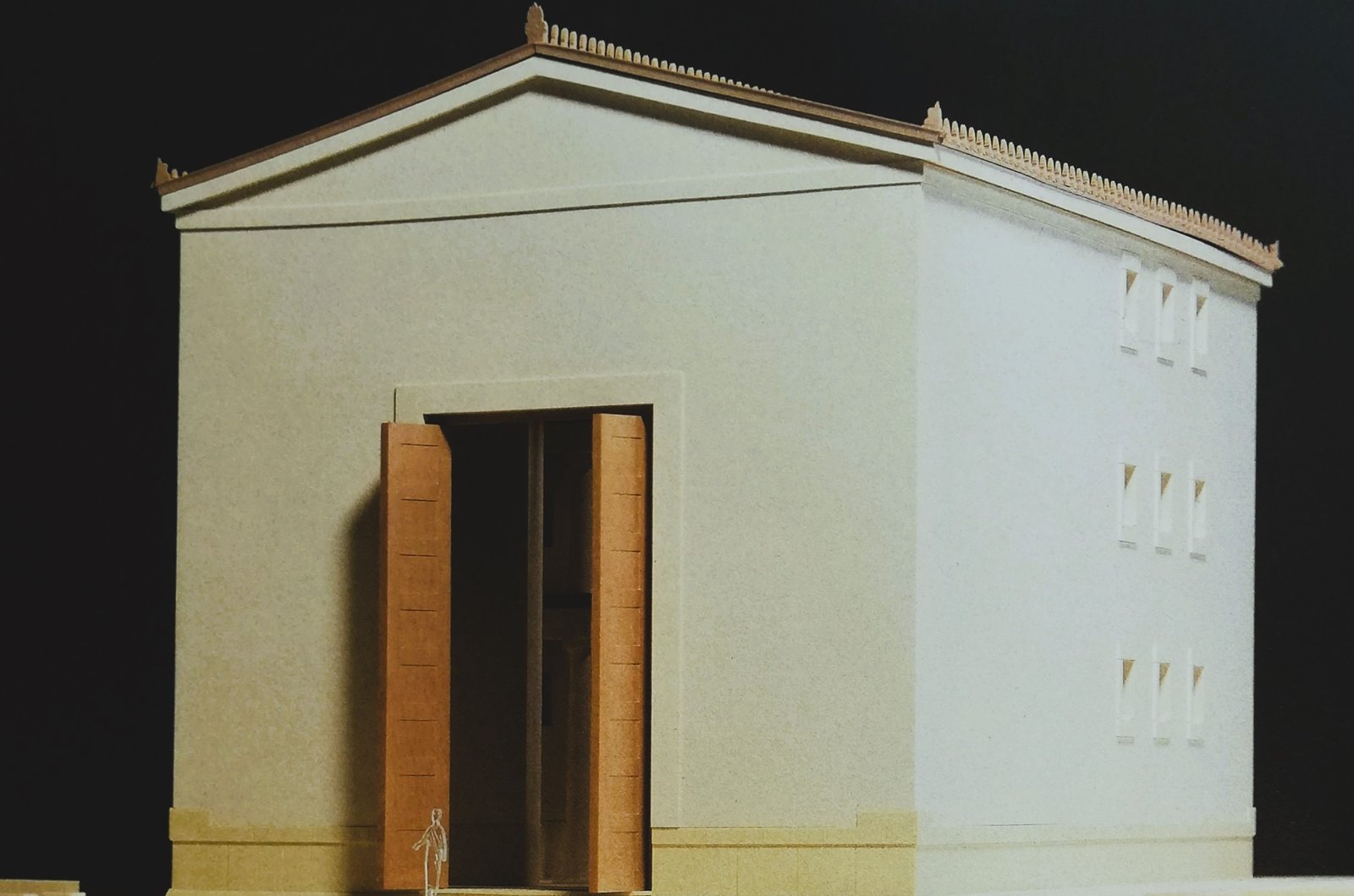
South Hall Gateway to the Sanctuary and Commercial Hub The remains of the building are found just south of the Bouleuterion and outside the precincts of the Altis, of which it formed the southern boundary. At the same time, it functioned as the main entrance to the Sanctuary of Zeus, from the side of the
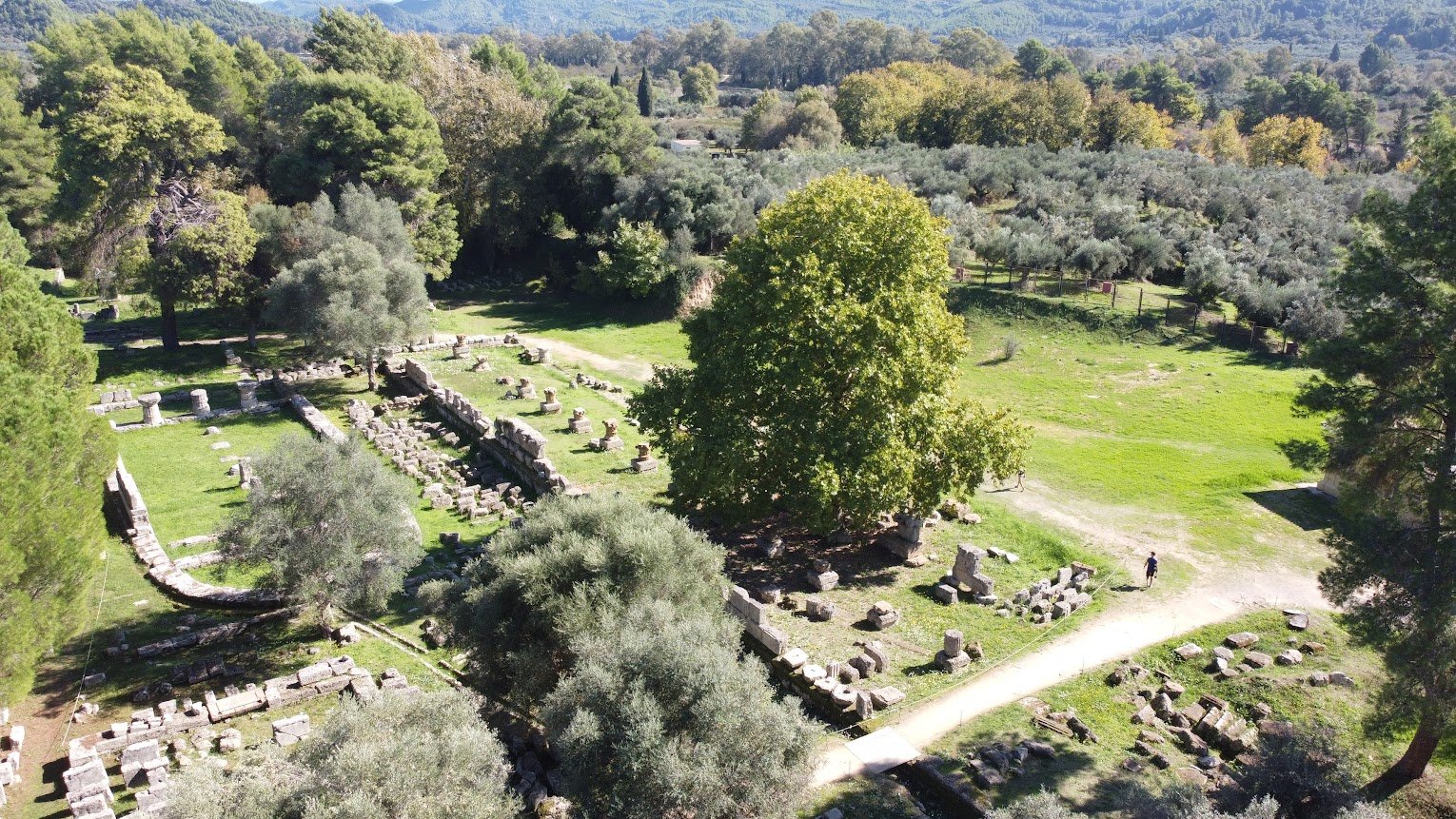
The theokoleon The seat of the priests of the Sanctuary of Olympia The edifive hosted the Theokoloi, those who serve the god. It was a functionally critical, though often overlooked, administrative structure within the vast Sanctuary of Zeus at Olympia. Located west of the sacred Altis enclosure and immediately north of the famed Workshop of
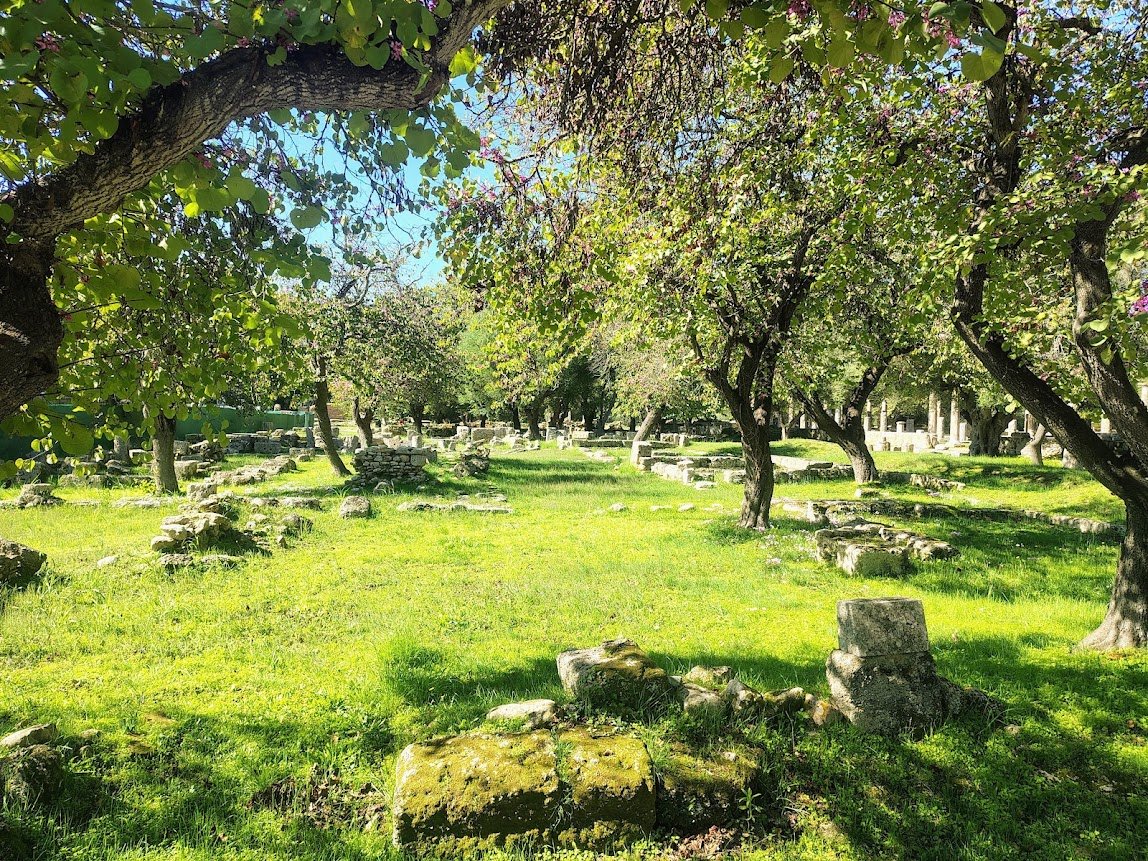
The Philippeion Οne of the finest examples of ancient Greek architecture and the only circular building (tholos) located inside the Altis, the sacred precinct of Olympia. Situated west of the Temple of Hera, at the west end of the Altis and near the Prytaneion, it was dedicated to Zeus by Philip II of Macedon following
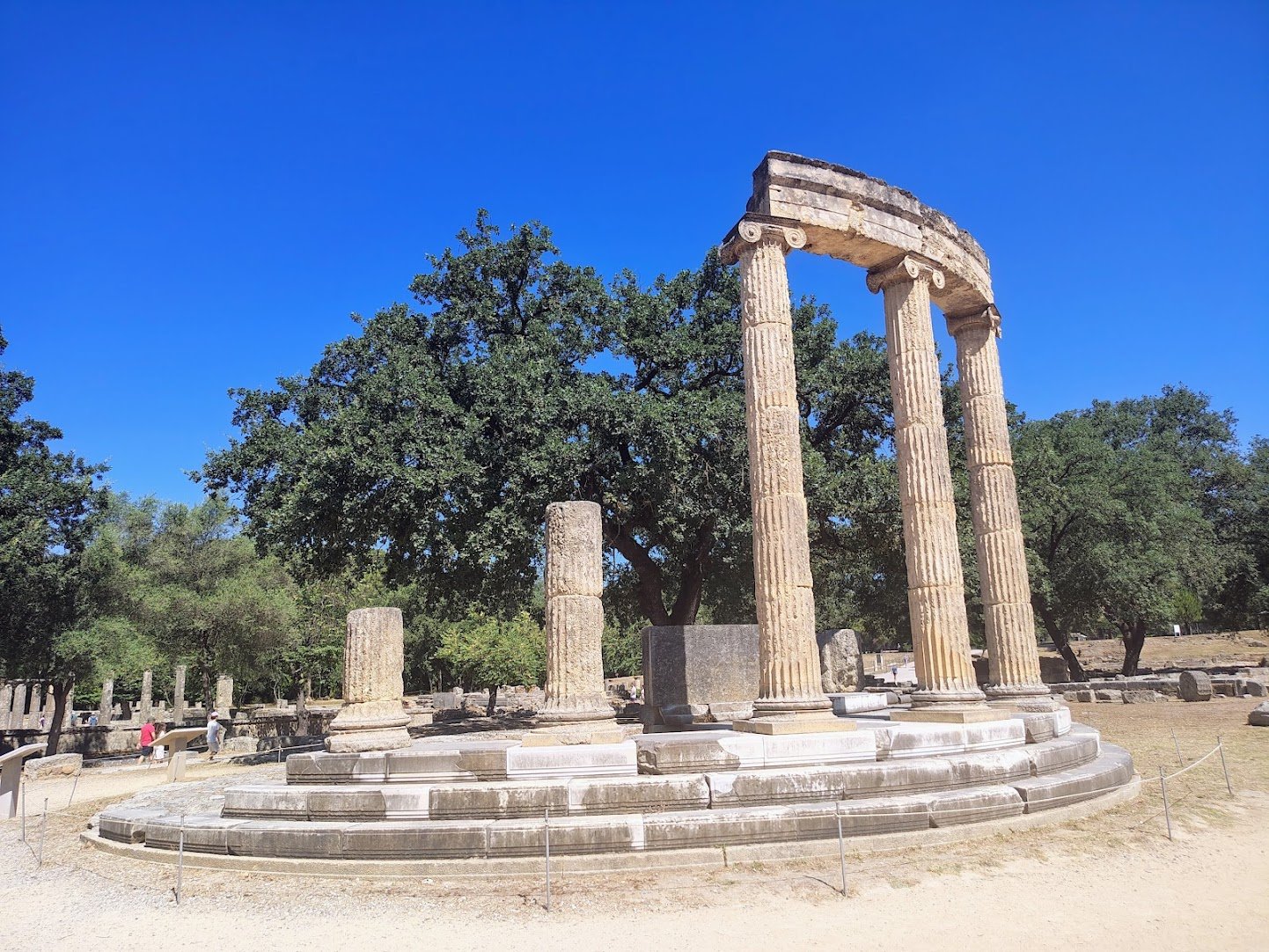
nymphaion The Nymphaion, donated by Herodes Atticus around 160 AD, was a spectacular monumental fountain that solved Olympia’s chronic water supply problems while creating impressive architectural display. The two-story semicircular structure featured niches with marble statues of the donor’s family and Roman emperors alternating with water basins and fountains. The Grand Benefaction: A Roman Solution
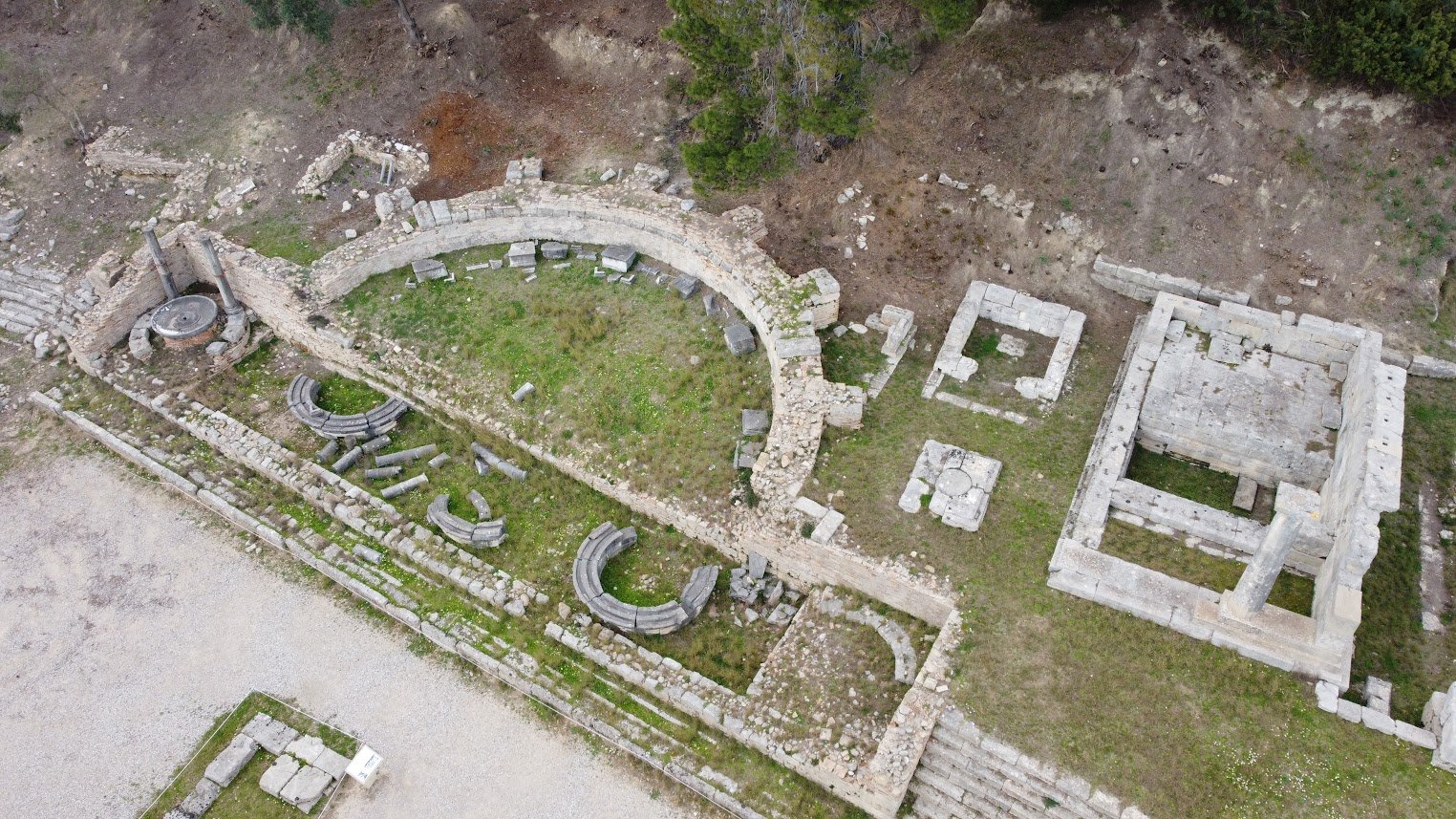
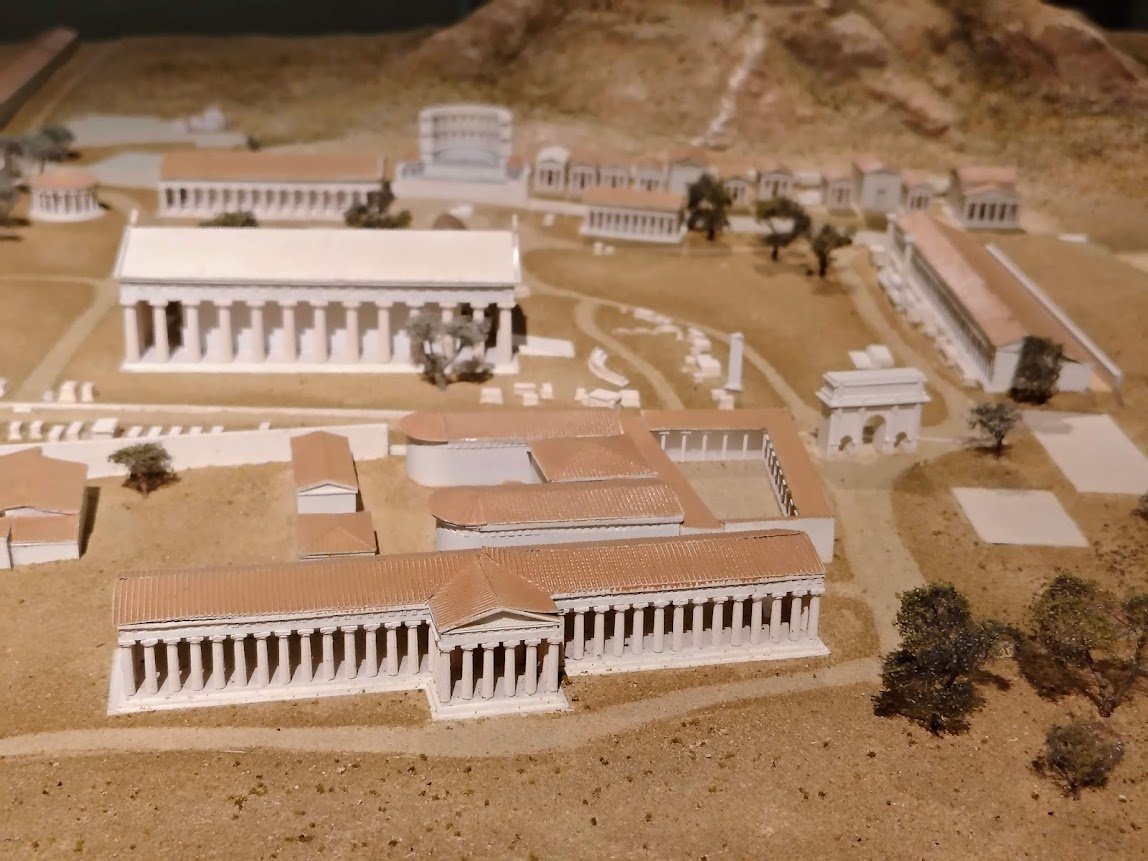
eco hall The Stoa of Eco, built in the 4th century BC, created an impressive architectural boundary between the sacred Altis and the Olympic stadium. This 98-meter-long colonnade featured double columns—Doric on the exterior and Ionic on the interior—creating elegant covered walkways that provided shade and comfort for visitors. The building’s name derives from its
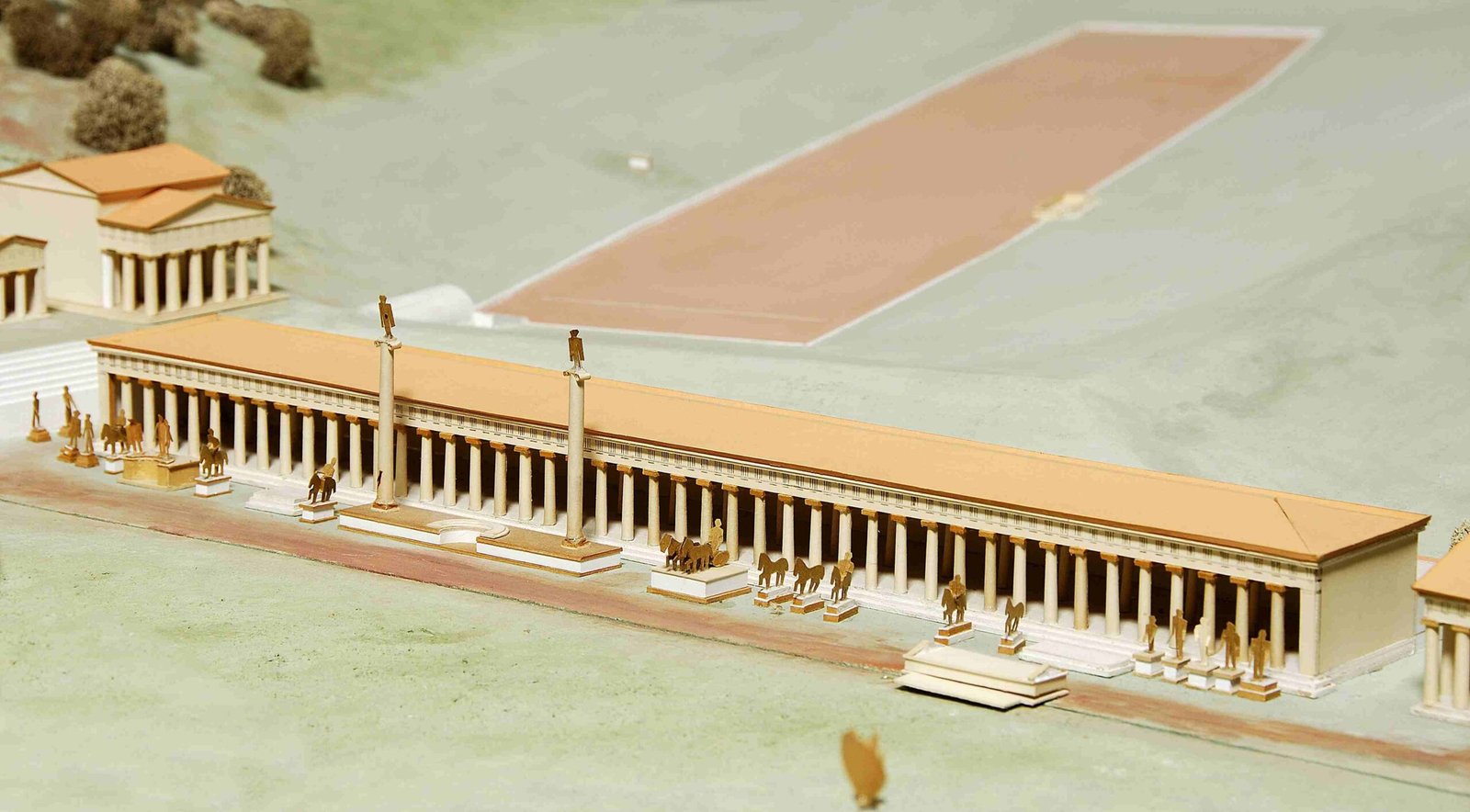
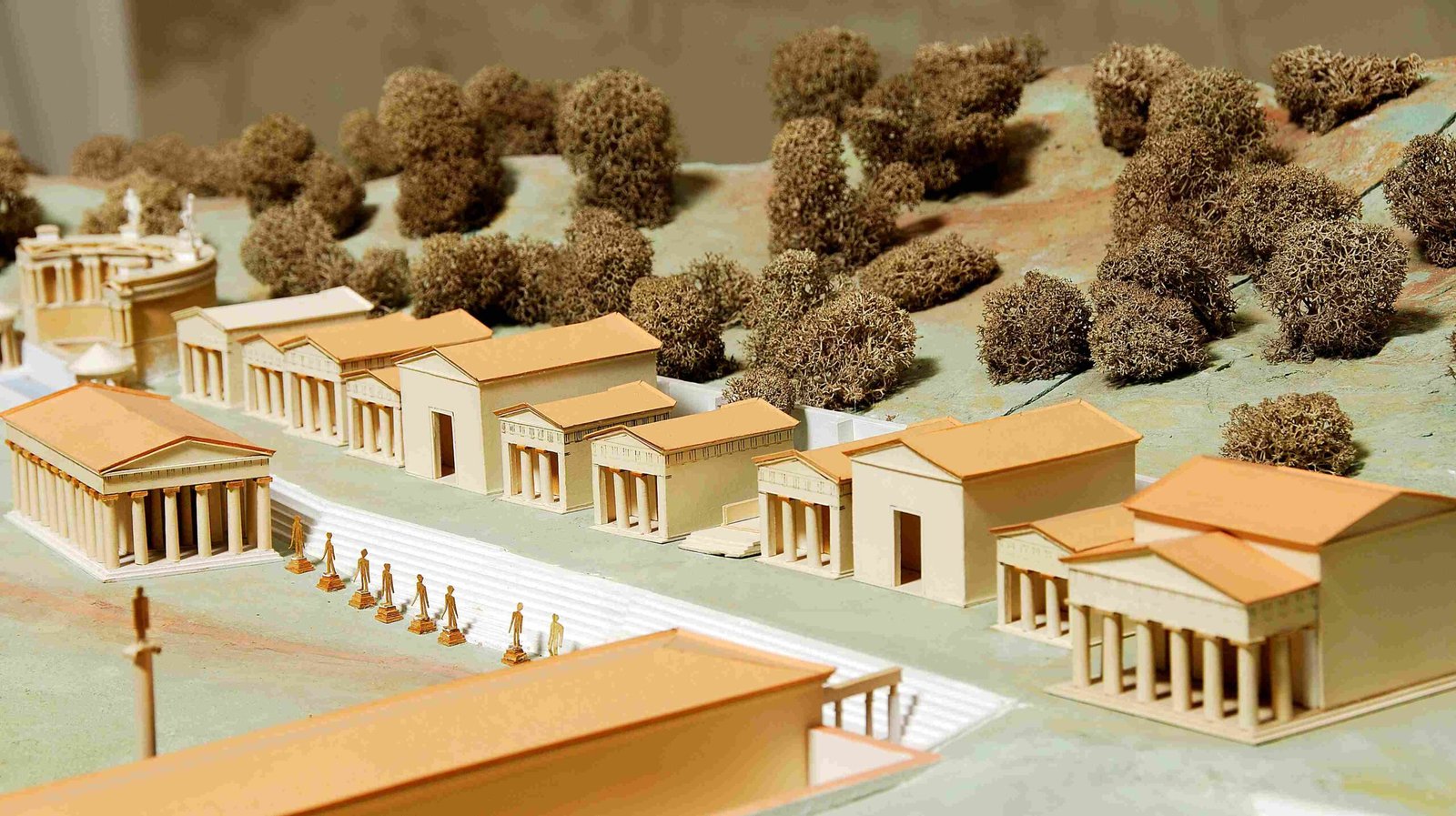
treasuries The Treasuries of Olympia lined the southern slope of the Kronios Hill, small temple-like buildings constructed by wealthy Greek city-states to house valuable dedications to Zeus and display their piety and prosperity. Dating primarily to the 6th and 5th centuries BC, each treasury was a miniature temple featuring columns and decorative elements reflecting the
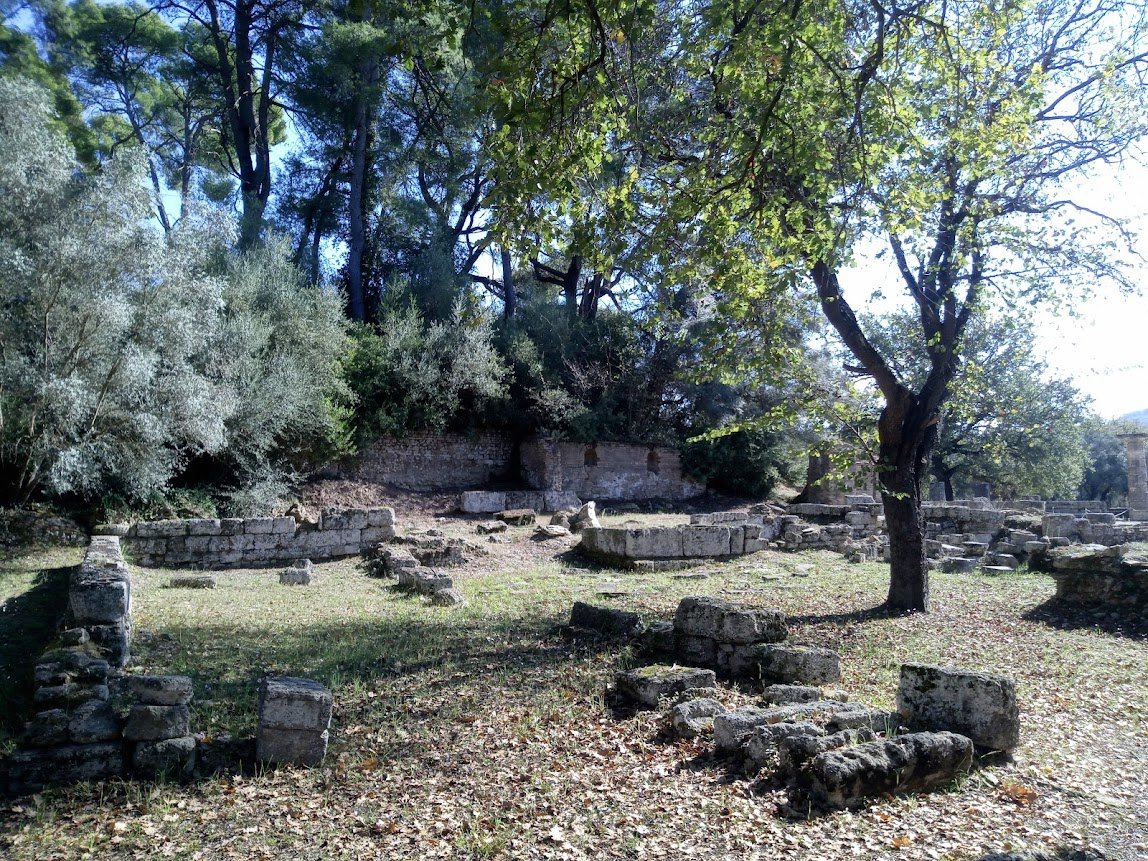
Prytaneion The Prytaneion served as the headquarters of Eleian officials who administered Ancient Olympia and housed the sacred hearth of Hestia, where an eternal flame burned continuously throughout antiquity Center of Administration of the sanctuary The Prytaneion, one of the oldest and most important structures within the Altis, stood as the official nerve center of
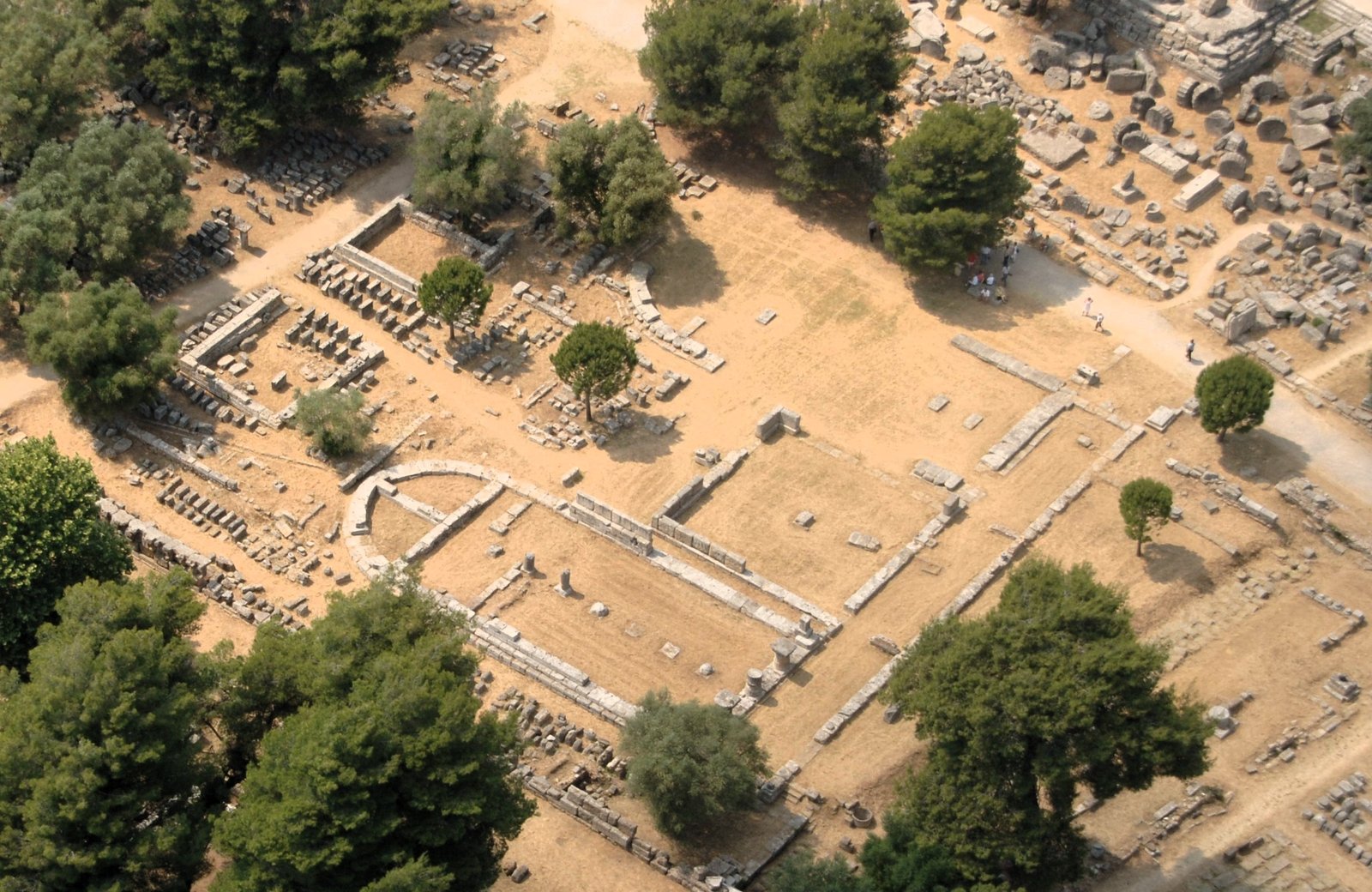
Bouleuterion The Bouleuterion of Olympia served as the meeting place of the Olympic Council, the governing body responsible for organizing and overseeing the Olympic Games. According to the custom, it was here, at the yard in front of the Bouleuterion where athletes and judges took their solemn oaths before competition. Governing the Sacred Festival The
The Leonidaion The Leonidaion: A Distinguished Hostel at Ancient Olympia. The building provided private accommodations for important officials, ambassadors, and other elite guests attending the Olympic Games. Greek commitment to proper hospitality The Leonidaion was one of the most significant secular buildings in the Sanctuary of Olympia, serving a crucial function during the ancient Olympic