The Bouleuterion of Ancient Olympia served as the meeting place of the Olympic Council, the governing body responsible for organizing and overseeing the Olympic Games.
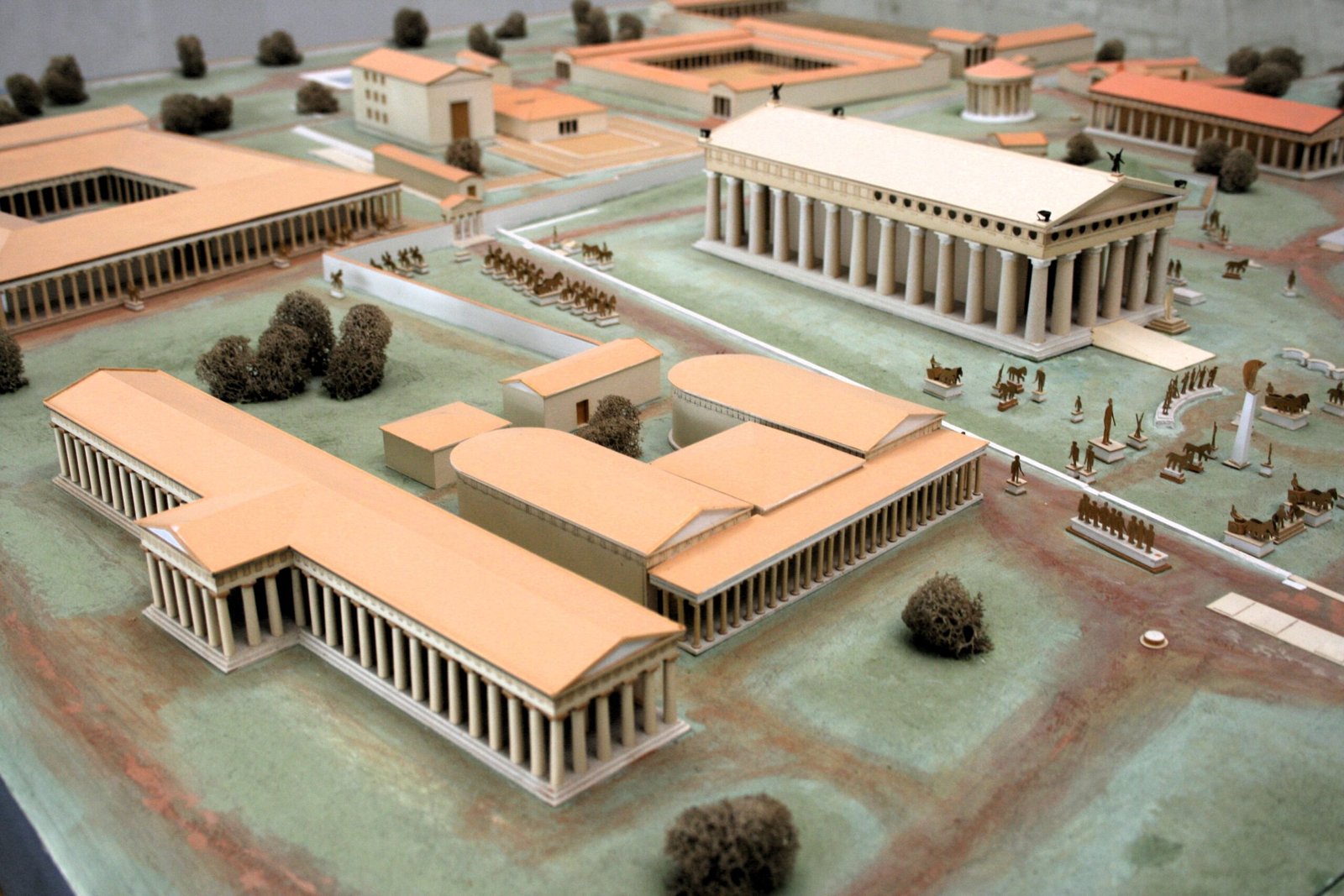
Located south of the Temple of Zeus and just outside the sacred precinct of the Altis, the Bouleuterion played a crucial role in the administration of the sanctuary and the festival.
Its architecture reflected the building’s dual function as both an administrative center and a sacred space where athletes and judges took their solemn oaths before competition. As one of the most ancient and important structures at Olympia, it was the seat of both the Elean Senate and potentially the Hellanodikai (umpires).
The unique design of the Bouleuterion reflects a complex building history, beginning in the 6th century BC and ending in the 4th century BC.
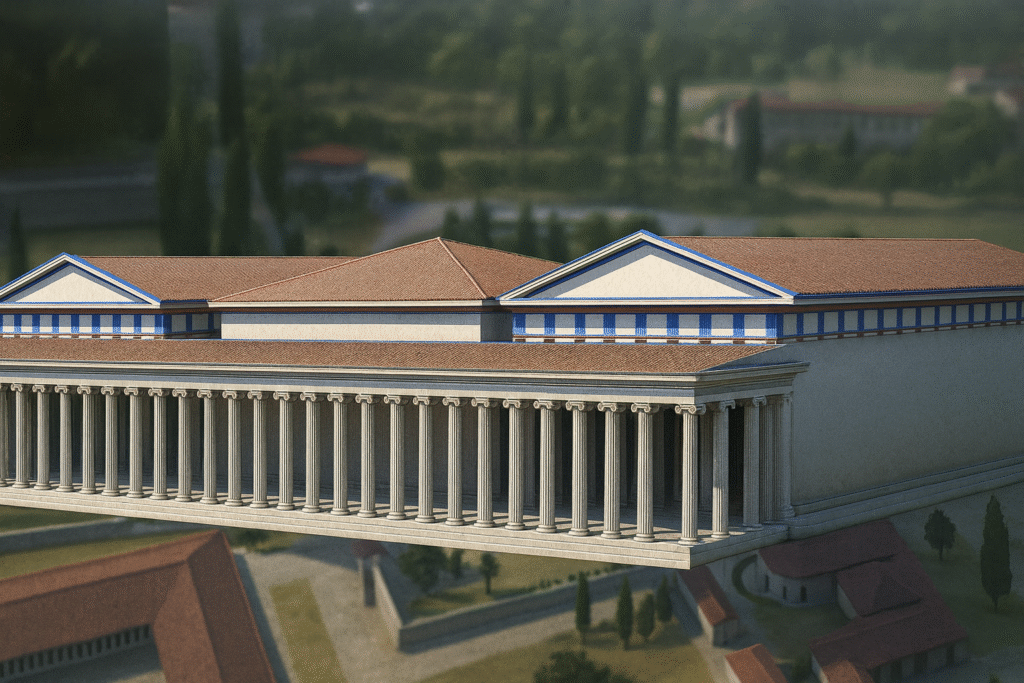
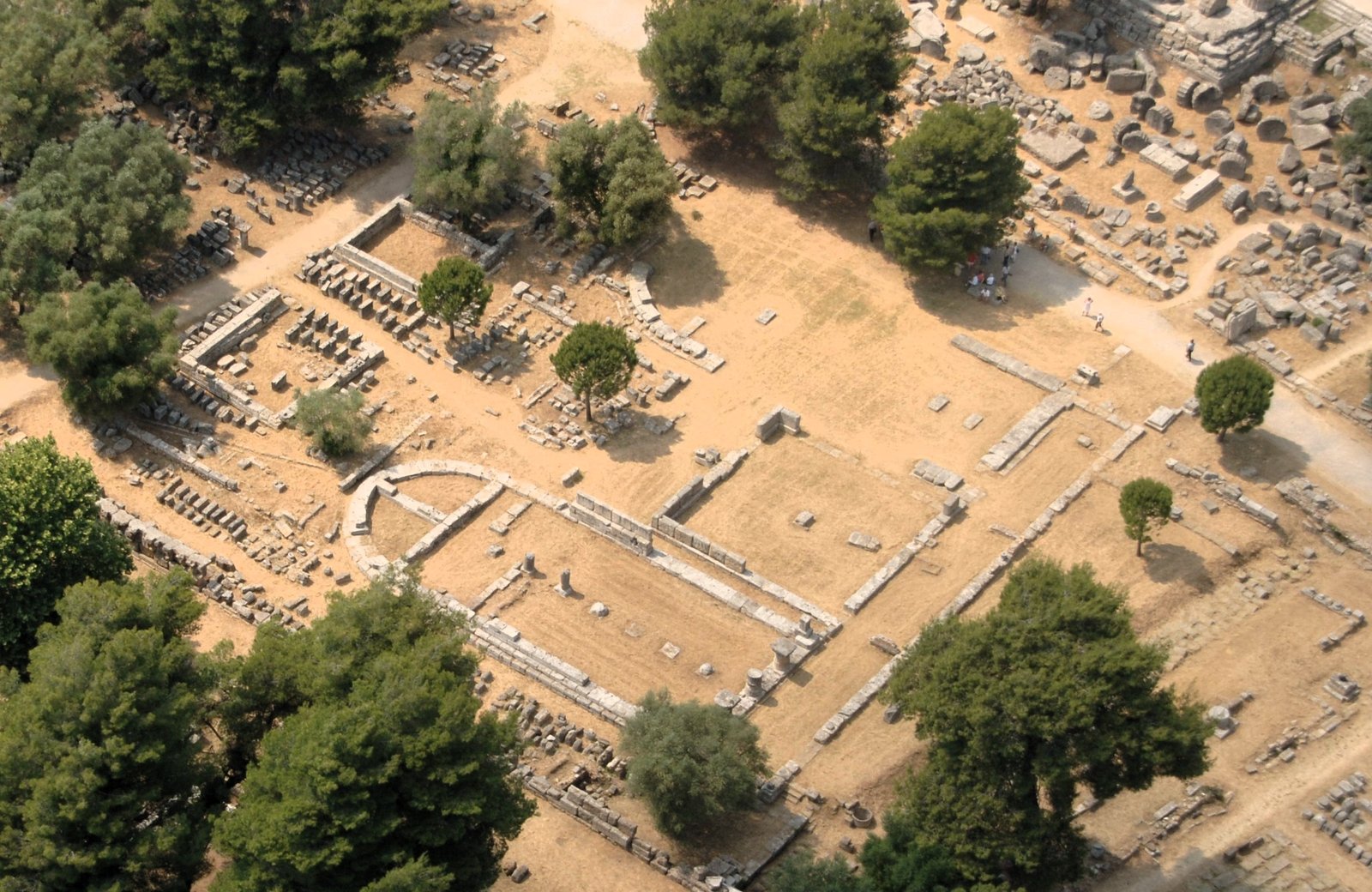
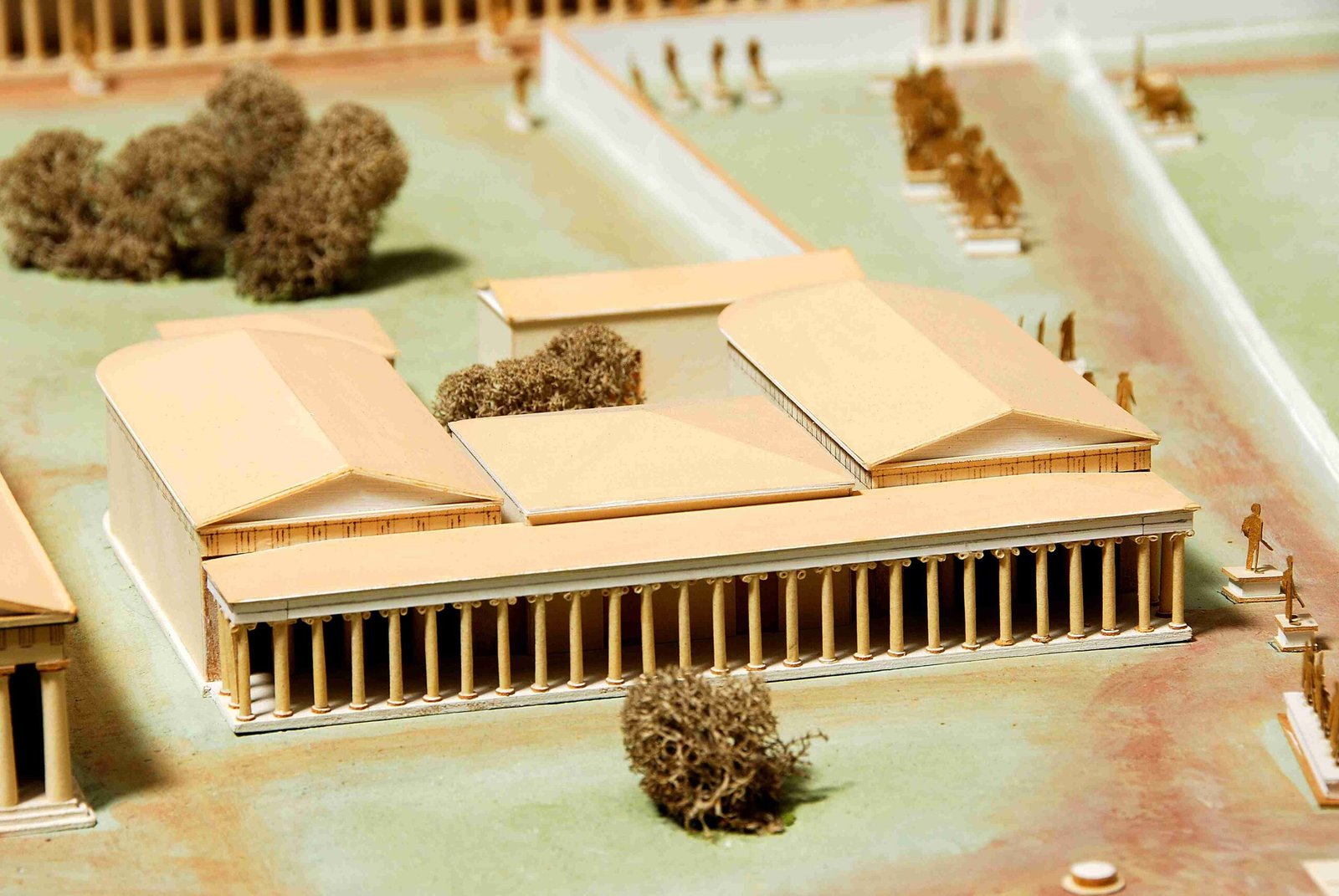
The structure consists of two elongated, two-aisled, arched buildings reminiscent of prehistoric arched buildings, placed parallel to each other, which were connected by a square building between them.
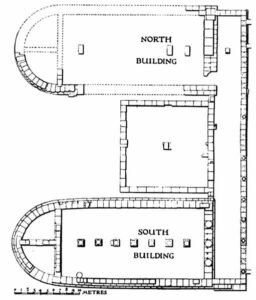
The north wing was the oldest, built in the 6th century BC, while the south wing followed a century later. This tripartite design created separate spaces for different functions – chambers for council members and a central space for official ceremonies.
At the rear of the two arched buildings, the isolated arched ends divide into two rooms. It is believed that the official records of Elis were kept there, including the names of the winners of the Olympic Games.
Over time, further additions were made, including an extensive Ionic portico with twenty-seven columns added along the entire length of the eastern facade in the 4th century BC, connecting the three main buildings.
Within the central, square hall of the Bouleuterion, or in front of it, one of the most important Olympic rituals took place—the oath-taking ceremony.
Athletes, their trainers, and judges would gather before a colossal statue of Zeus Horkios (Zeus of the Oath), which held thunderbolts and was portrayed with a menacing face.
Here, as recorded by the traveler Pausanias, participants swore they would compete fairly and uphold the rules of the games, and judges swore they would be impartial and would not accept bribes.
This sacred oath bound the protagonists of the games, and was taken while the athletes or the judges stepped on the genitals of a previously sacrificed wild boar.
An inscription at the statue’s feet contained specific curses and penalties for those who committed perjury, reinforcing the religious sanction against cheating or rule-breaking. The solemnity of this ritual reinforced the religious dimension of Olympic competition.
The Council played a critical role in maintaining the integrity of the games by adjudicating complaints and holding the power to fine even the Hellanodikai (judges) themselves if they were found to be partial.
The Olympic Council had the authority to examine complaints against the Hellanodikai and impose monetary fines upon them. A notable instance is the case of the stadion race in 396 BC: two judges declared Eupolemos of Elis the winner, while the third awarded the victory to Leon of Ambracia. According to Pausanias (6.3.7), Leon appealed to the Council and succeeded in having fines imposed on the first two judges. This incident is typically interpreted as a case of biased judging, although Pausanias does not specify the exact grounds for the penalty. Eupolemos retained the victory.
Beyond its judicial duties, the Olympic Council was active in granting honors, frequently commissioning honorific statues for distinguished citizens, officials, and benefactors, often in cooperation with the city of Elis.
It also functioned as an arbitration body to resolve significant legal disputes, such as a land disagreement involving the historian Xenophon in the 4th century BC
The archaeological remains of the Bouleuterion, though primarily consisting only of the building’s foundations, continue to communicate the structure’s massive importance in Olympic administration.
Despite the fragmentary state of preservation, which includes Roman-era additions like a trapezoid colonnaded court, the footprint vividly conveys its unique tripartite shape and scale. For visitors today, this structure offers critical insight into the organizational complexity behind the ancient games and reminds us that Olympic success depended not only on athletic prowess but also on effective governance and the shared commitment of all participants to fair play and the rule of law.