The Philippeion
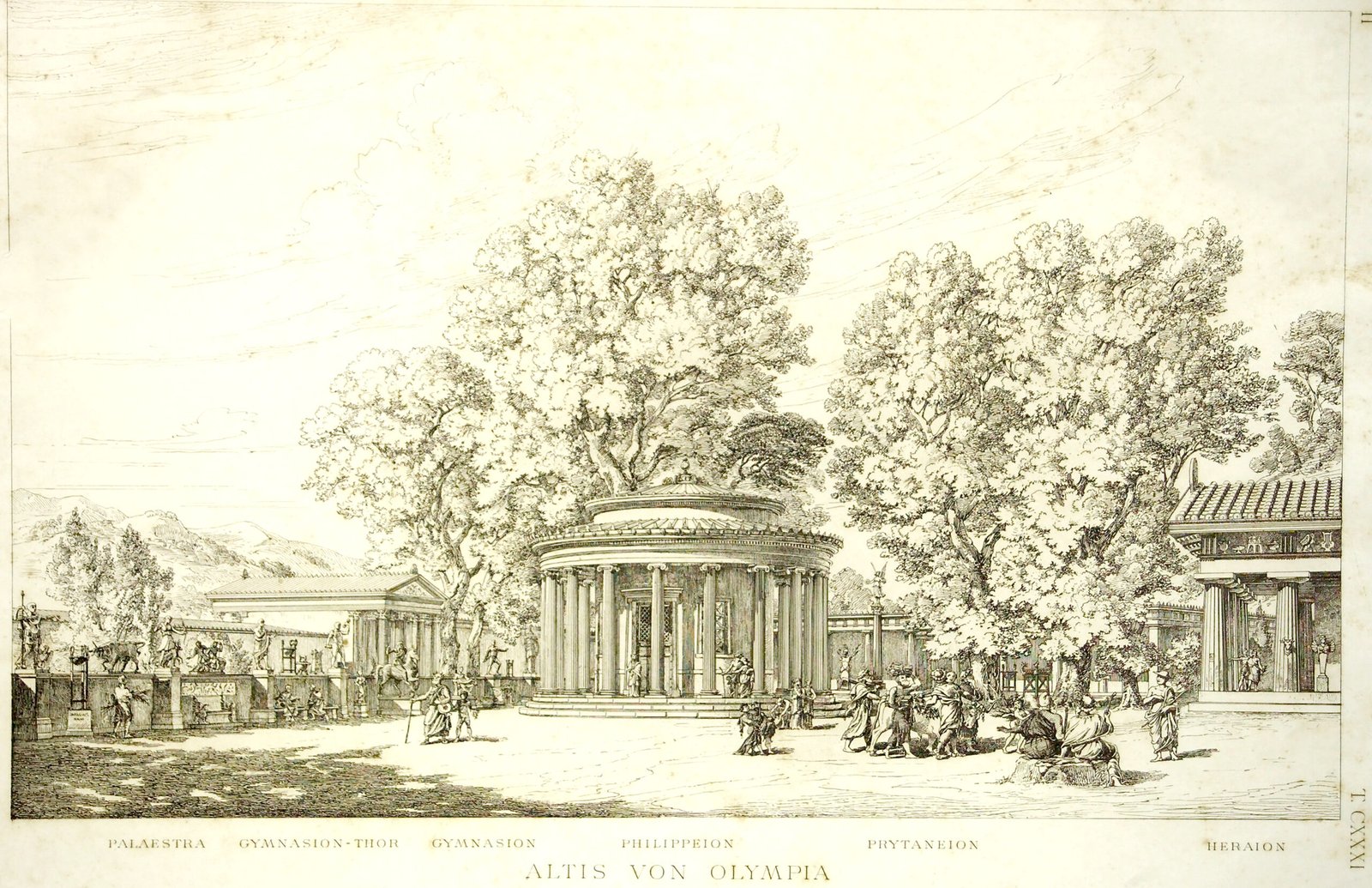
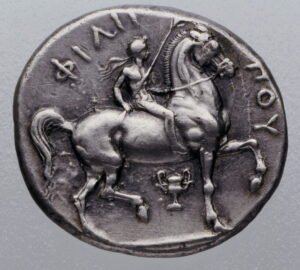
The Philippeion is one of the finest examples of ancient Greek architecture. It is the only circular building (tholos) located inside the Altis, the sacred precinct of Olympia. Situated west of the Temple of Hera, at the west end of the Altis and near the Prytaneion, it was dedicated to Zeus by Philip II of Macedon following his victory at Chaironeia in 338 BC. This dedication underscores the important political role the sanctuary played at that time. The construction of the Philippeion, along with the Metroon, represented one of the two major structures built within the Altis during the 4th century B.C. and the Hellenistic period.

A Monument to Macedonian Power and Deification

The monument was initially begun by Philip II as a victory monument, but after his death in 336 BC, it was completed by his son, Alexander the Great.

The placement of the Philippeion was deliberately chosen to interact with earlier monuments and served as a crucial reference point for later Hellenistic royal dedications. Its primary purpose was the worship of the deified royal family of Macedon.

This building exemplifies the 4th-century shift toward a new mode of self-promotion at the site.

Architectural Elegance

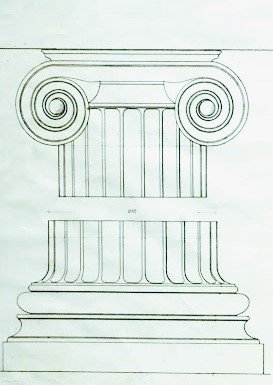
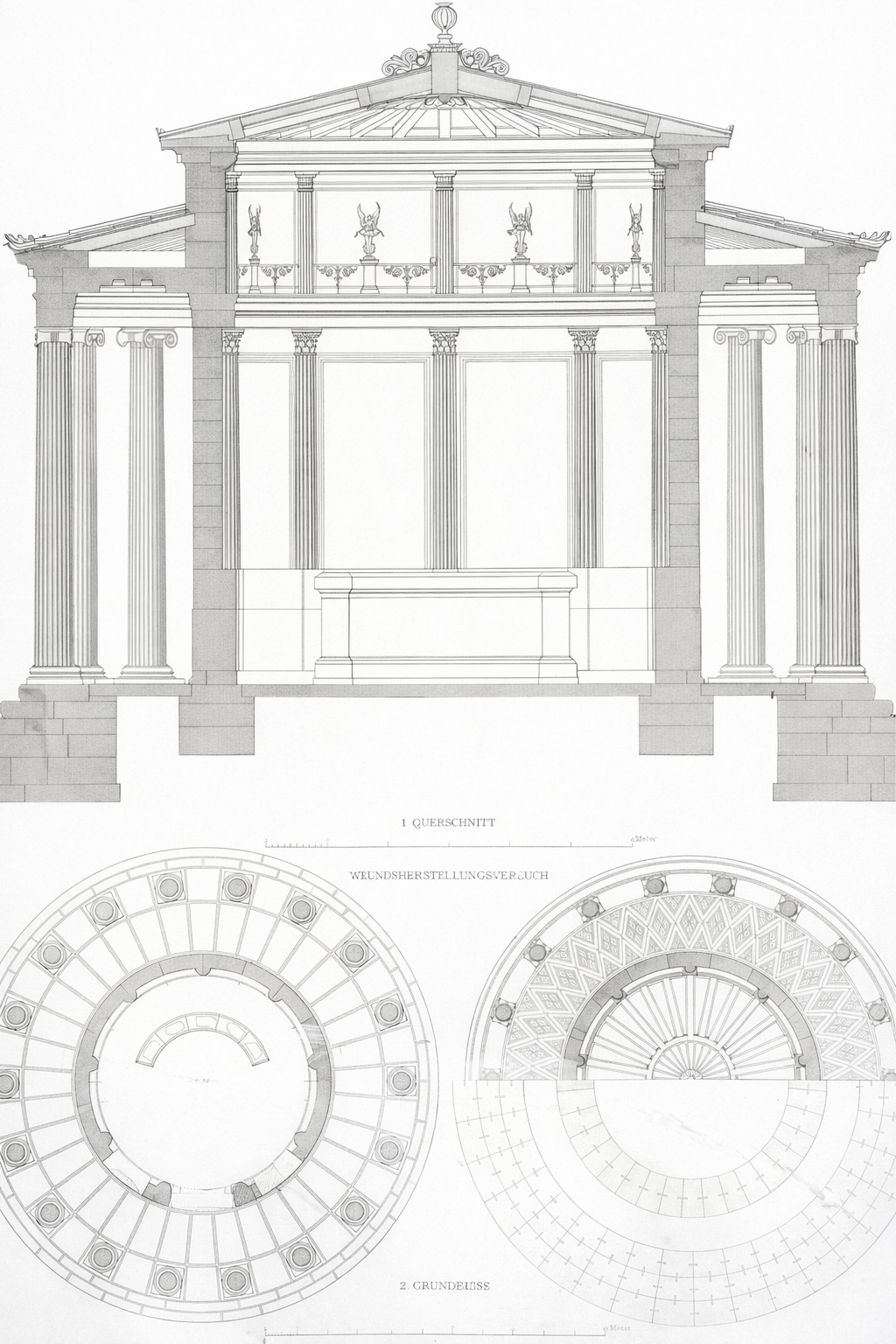
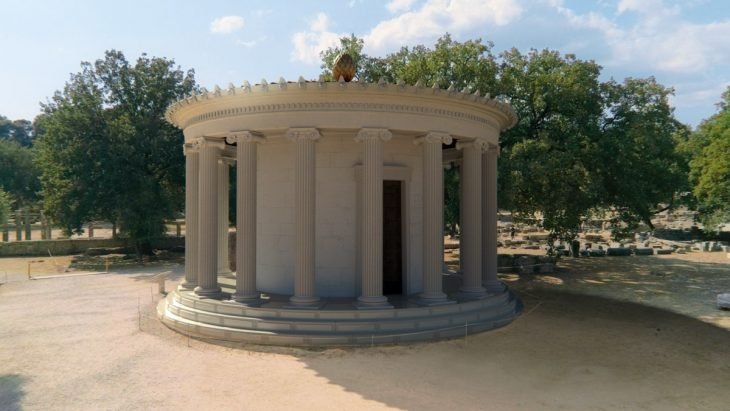
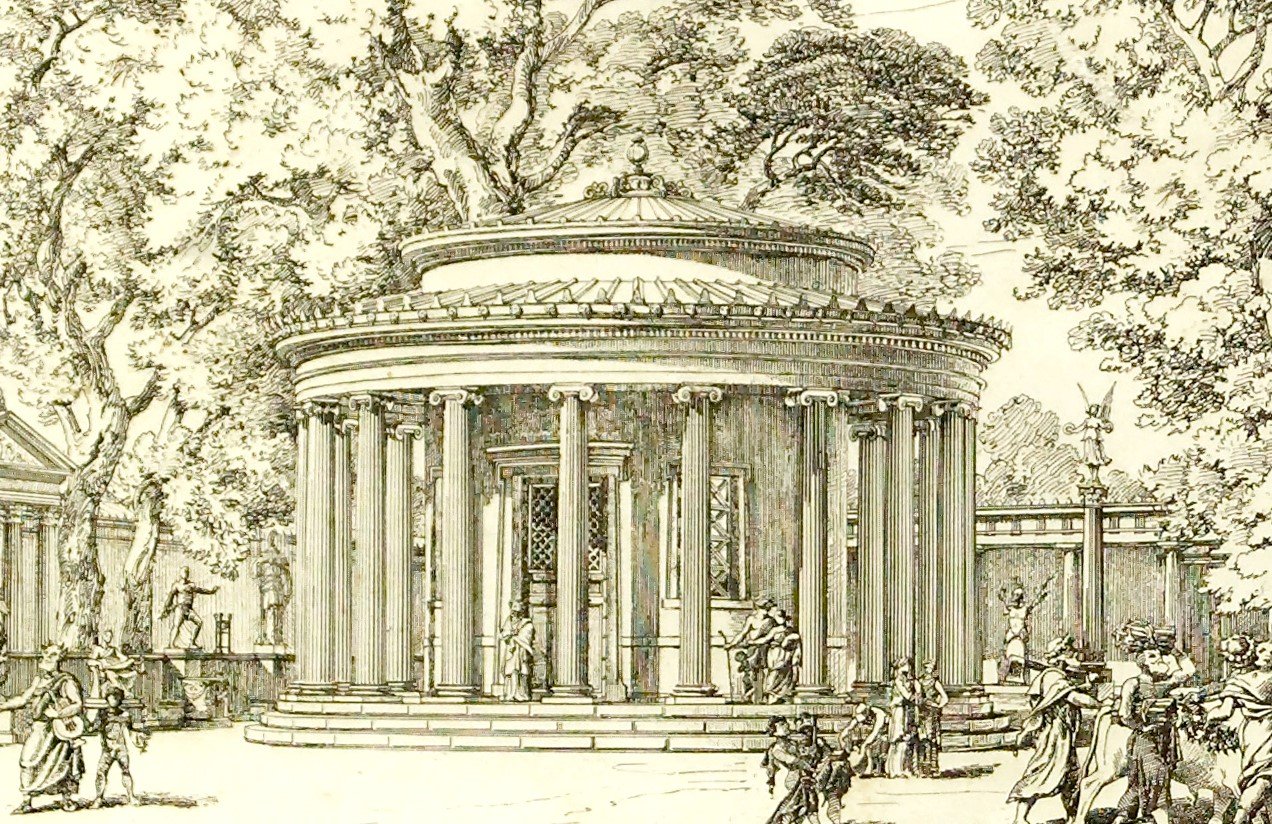
The Philippeion was a particularly elegant building. Its circular structure had a diameter of 15.24 m. Externally, eighteen (18) Ionic columns stood upon a three-stepped marble base, supporting a stone entablature. The roof was covered with marble tiles and crowned with a bronze flower on the top.
 
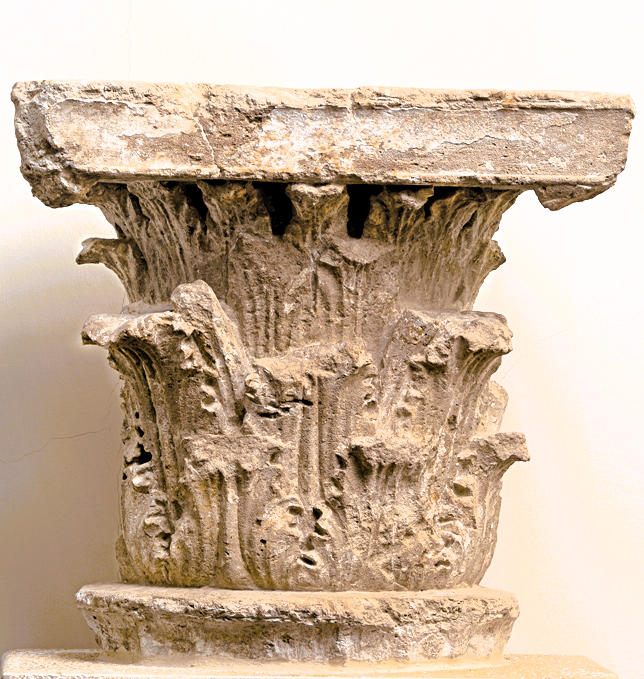
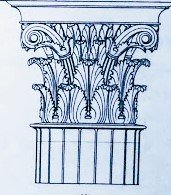
Inside the circular cella, the wall, built of rectangular poros blocks, was covered internally in red plaster with white joints, which imitated brickwork. The cella was internally adorned with nine (9) engaged Corinthian columns.


Key Features of The Philippeion at Olympia

Historical Context and Purpose

The Philippeion is the only circular building (tholos) found inside the Altis, the sacred precinct of Olympia.

It was dedicated to Zeus by Philip II of Macedon following his victory at the Battle of Chaironeia in 338 BC.

It was initiated by Philip II as a monument to his victory.

Following Philip’s death in 336 BC, the monument was completed by his son, Alexander the Great.

The building served as a place for the worship of the deified royal family of Macedon.

The monument is considered one of the most significant Hellenistic monuments.

Architectural Design and Materials

It was considered a particularly elegant building.

Its circular structure had a diameter of 15.24 m.

The exterior featured eighteen (18) Ionic columns standing on a three-stepped marble base (crepidoma).

These columns supported a stone entablature.

The roof was covered with marble tiles and was crowned with a bronze flower on the top.

The circular cella wall was constructed of rectangular poros blocks.

The inner wall of the cella was covered internally in red plaster with white joints which imitated brickwork.

The interior of the cella was decorated with nine (9) engaged Corinthian columns.

The Parian marble base used for the statues suggests the statues were entirely or partially of marble.


Sculptural Contents (Chryselephantine Statues)

The Philippeion housed five chryselephantine statues of the Macedonian royal family.

These statues were placed upon a semi-circular podium situated directly opposite the entrance.

The statues were crafted by the renowned sculptor Leochares.

The figures represented Alexander, his parents (Philip and Olympias), and Philip’s parents (Amyntas and Euridice).

The traveler Pausanias (in the second century AD) noted that the two female statues (Olympias and Euridice) had been transferred to the Heraion, which served as a treasury.

None of these statues have survived to the present day.


Current Status and Restoration

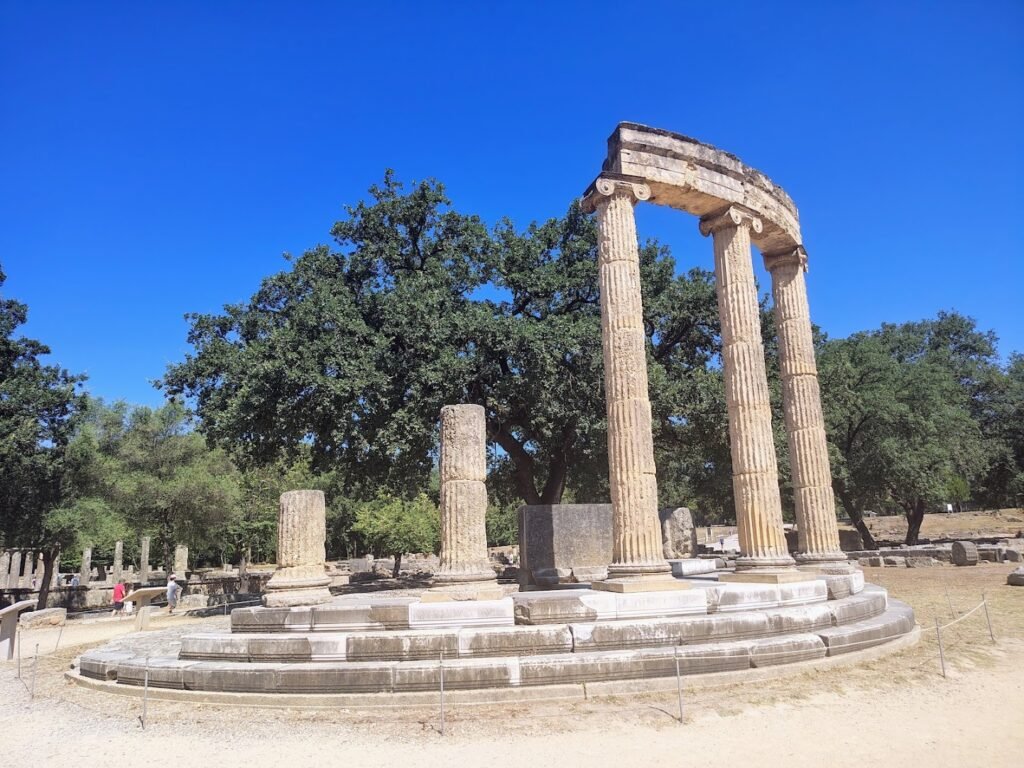
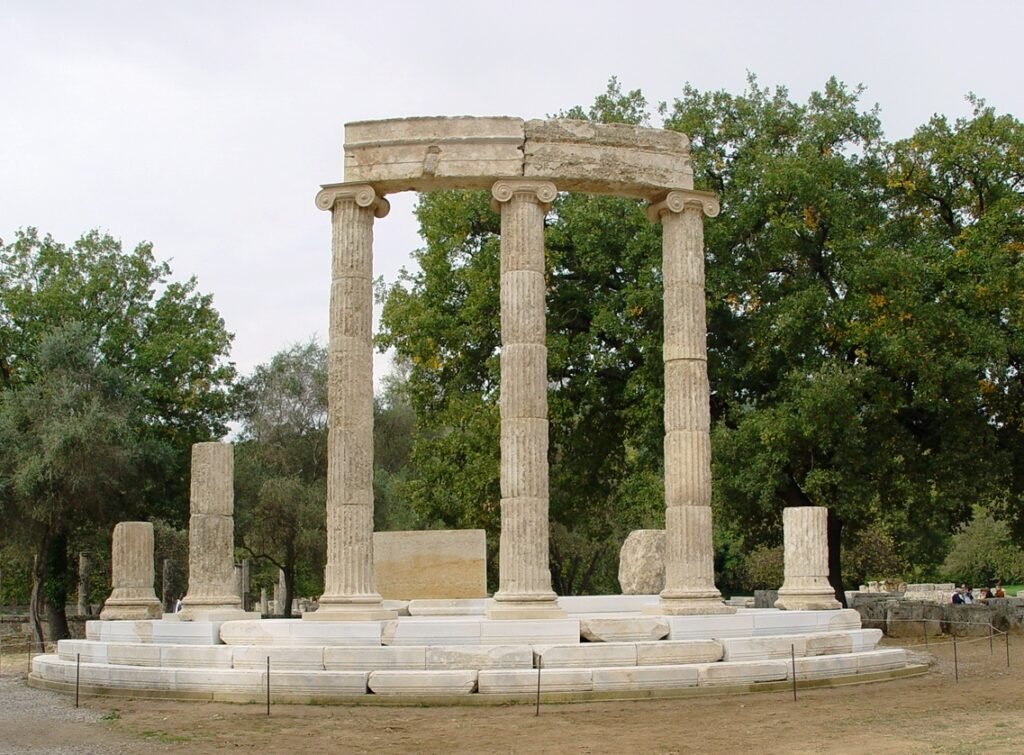
Only the foundations and the lower part of the walls  were visible in situ until 2002.

The monument has been restored after a donation of the .

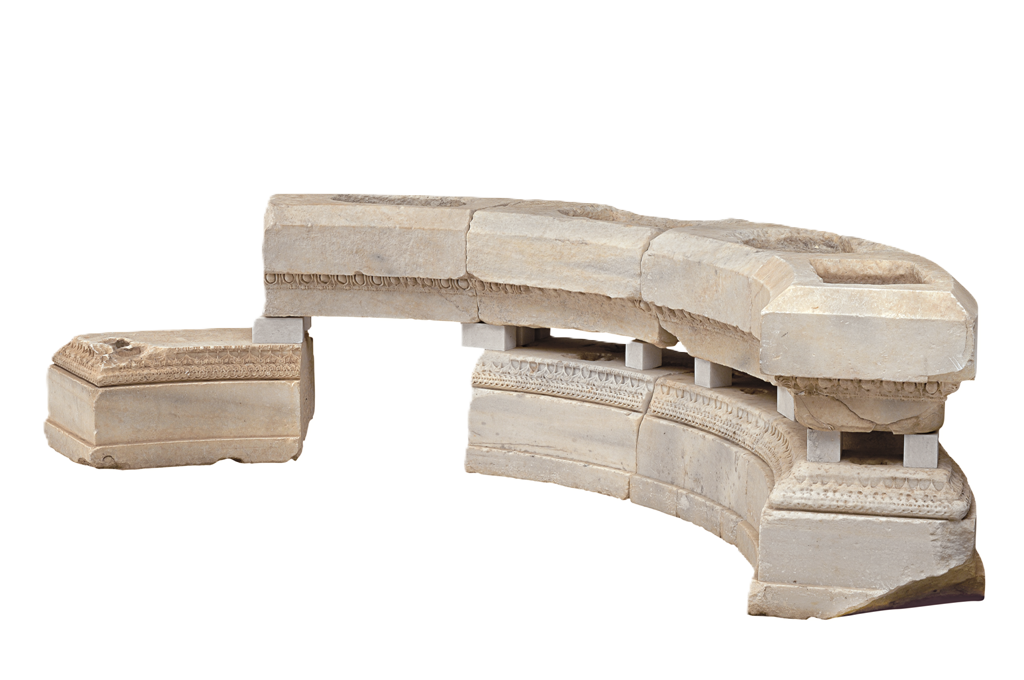
For the Athens Olympic Games of 2004, the Berlin Museum returned ten architectural members (including column and base fragments, a Corinthian capital, and a marble roof-tile) to aid in its restoration.


The Chryselephantine Statues

The Philippeion housed five chryselephantine statues of the royal family, crafted by the famous sculptor Leochares.

These statues were placed on a semi-circular podium directly opposite the entrance. They represented Alexander, his parents Philip and Olympias, and Philip’s parents Amyntas and Euridice.

The travel writer Pausanias, who visited the monument in the second century AD (V, 20, 9), notes that the two female statues (Olympias and Euridice) had already been transferred to the Heraion, which served as a treasury. None of these chryselephantine statues have survived.

Current Appearance and Restoration

Although only its foundations and lower walls remain today, a major restoration effort was successfully completed in 2004, coinciding with the Athens Olympic Games.
 
This was made possible thanks to the return of ten architectural members from the Berlin Museum, including fragments of the base and columns, a Corinthian capital, a marble gutter with a lion’s head spout, and a marble roof tile, which allowed the monument to regain part of its original grandeur.

As one of the most significant Hellenistic monuments, the Philippeion demonstrates the close relationship between political power and religious worship in the Panhellenic sanctuary of Olympia.