The Hippodrome
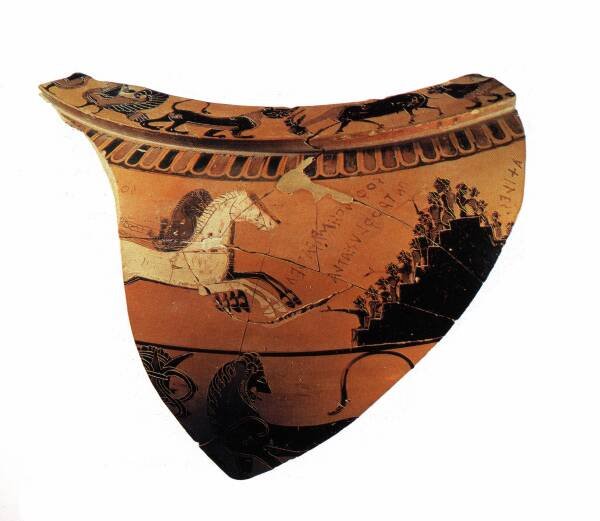
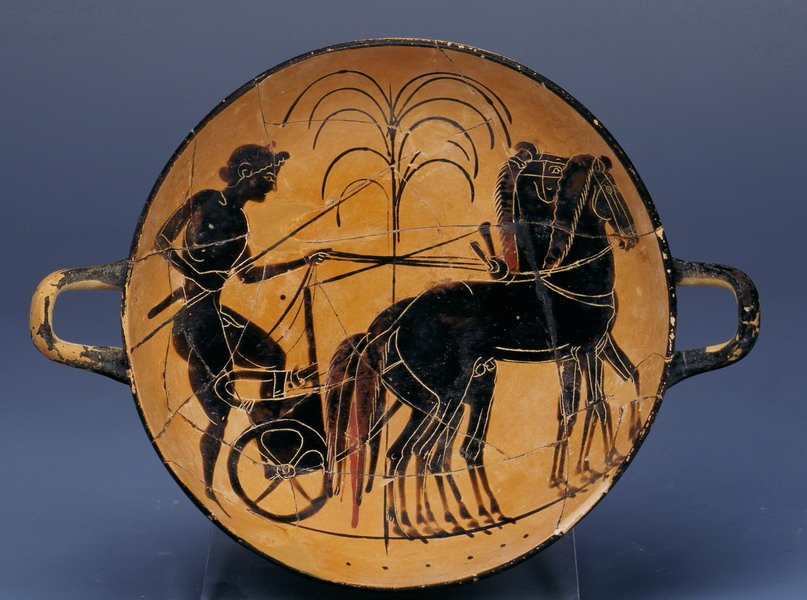
The venue for equestrian competitions and races, the Hippodrome, was the facility with the largest dimensions to comfortably hold these spectacular events of the ancient Olympic Games. Unlike gymnastic events, horse and chariot races provided a platform for the display of wealth and power by those able to maintain expensive stables and teams, making a victory there highly visible and socially distinguished.

Siting and Environmental Impact

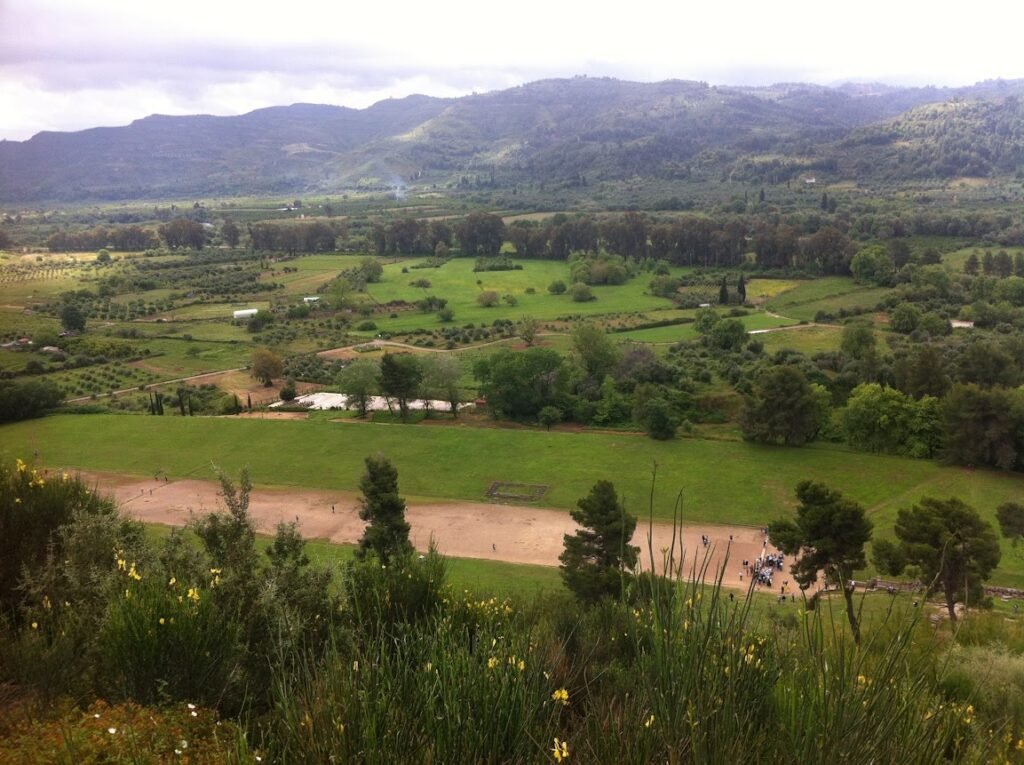
The Hippodrome was situated to the east of the sacred Altis and south of the Stadium.

Its precise location is referenced by ancient traveler Pausanias, who noted that the sanctuary of Demeter Chamyne stood to the north of the track.

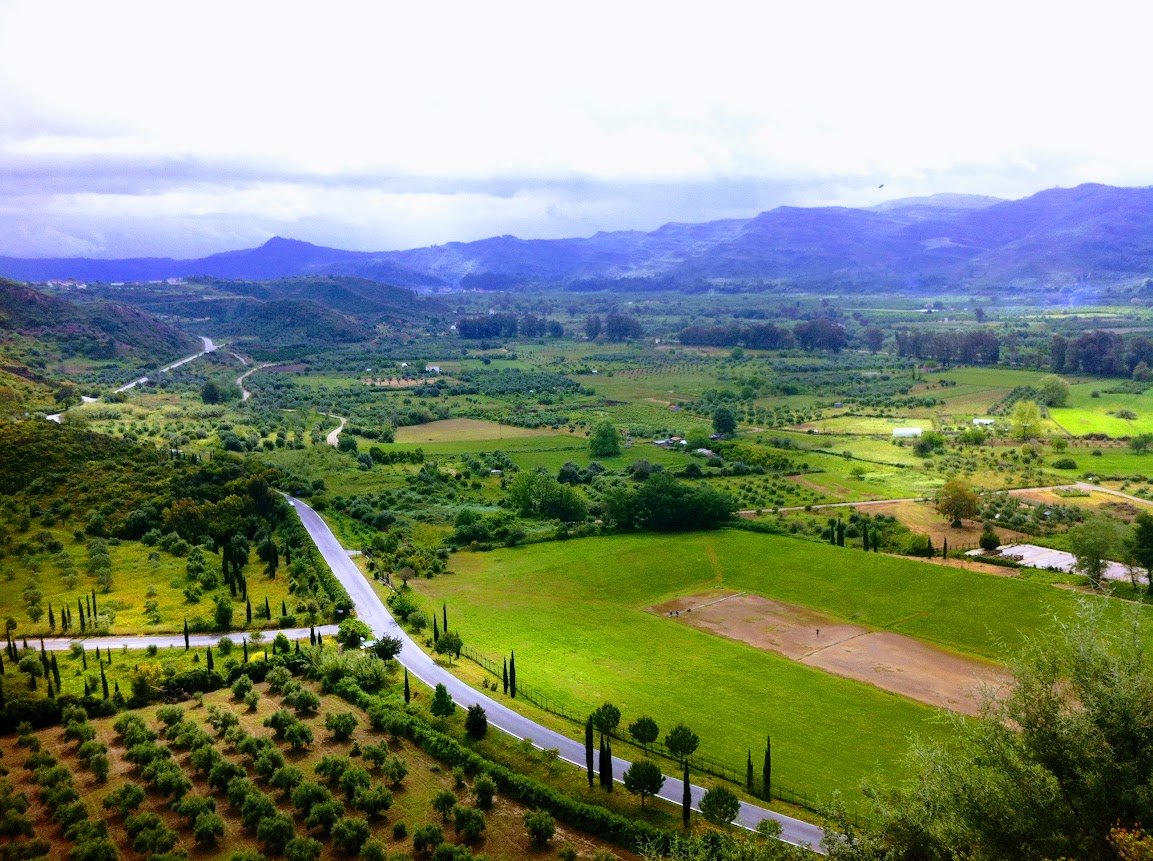
Today, the monument is not visible because much of it was buried or washed away over centuries by the repeated flooding of the Alpheios River

Dimensions and Capacity

  • The Hippodrome was a vast, flat area about 780 meters long and 320 meters wide.
  • The competition area had an elongated, narrow shape. Along its length was the so-called “emvolon,” a stone or wooden partition two stadia long that divided it into two parallel corridors.
  • The horses or chariots all ran in the same corridor, initially heading east and returning from the other corridor, heading west. The total distance they covered varied depending on the competition.
  • Around the track there was space for spectators. In the northern part, the natural slope of the ground was utilized, while on the other sides, artificially inclined levels were created with earth filling.
  • At the western end of the northern slope there was a special, separate position for the judges of the competitions.

The Technology of the Start – The "Hippaphesis"

Kleoitas’ Invention
 
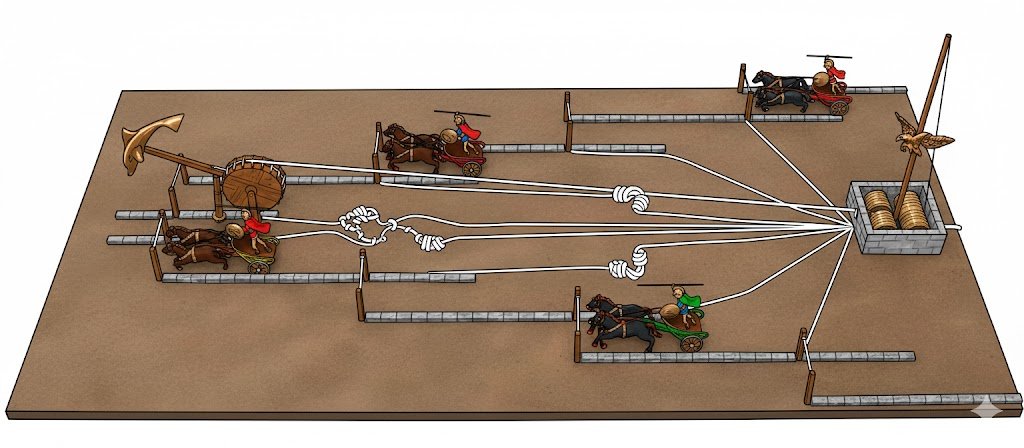
One of the most complex technological feats of the site was the starting mechanism known as the Hippaphesis, designed by the architect Kleoitas. The mechanism was shaped like the prow of a ship and utilized a sophisticated system of ropes and barriers.
 
Operating Mechanism
 
At the center of the starting line sat an altar dedicated to Poseidon Hippios, topped with a bronze eagle. To signal the start, the eagle was mechanically raised so it could be seen by everyone, while a bronze dolphin was simultaneously dropped to the ground. Chariots were released in a staggered fashion from the rear to the front, ensuring all participants reached the straightaway at the same time for a fair start.
 
Stoa of Agnaptus
 
The Stoa of Agnaptus (the architect’s name) was a key part of the Hippodrome complex, located in the southeast part of the Olympia sanctuary. According to Pausanias’ description, the stoa was located behind the hippaphesis mechanism. The stoa has not been excavated because the Alpheus River floods destroyed the Hippodrome and nearby facilities in the Middle Ages.

Myths, Victors, and Social Significance

The Founding Myth
 
The equestrian tradition at Olympia is rooted in the myth of the chariot race between Pelops and Oenomaus, the King of Pisa. Pelops’ victory, which led to the founding of the Games, is immortalized in the East Pediment of the Temple of Zeus, which faces the direction where the Hippodrome races began.
 
Famous Protagonists
 
The Hippodrome hosted many famous historical figures, including:
Kyniska of Sparta: First woman to be crowned Olympian; her chariots won the race twice (396 and 392 BC). As a woman, Kyniska was not present at the Hippodrome due to the well-known ban. She became an Olympic champion in chariot races (quadriga) not as a charioteer but as an owner and breeder of horses (equestrian). In equestrian events, the chariot owner, not the charioteer, was crowned the victor.
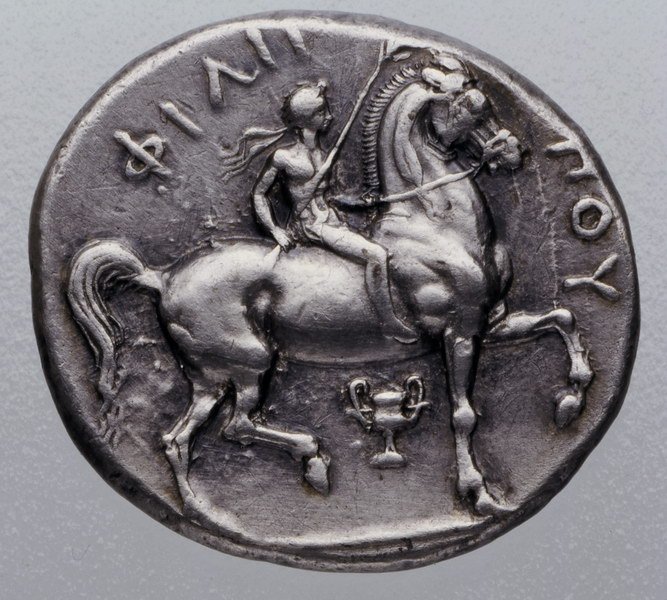
Philip II of Macedon: He achieved three Olympic victories in equestrian events.
Sicilian Tyrants: Rulers like Hieron I and Gelon dedicated magnificent monuments and commissioned odes from poets like Pindar to celebrate their racing triumphs.
Nero: Emperor Nero competed in six events at the 211th Olympiad in 67 AD. His most infamous moment at the hippodrome was his participation in the chariot race, where he fell from his chariot and nearly lost his life; nevertheless, the judges formally declared him the Olympic champion.

Modern Research and Current State

Archaeological Investigations
 
Locating the exact boundaries of the Hippodrome remains a significant challenge because it is buried under 5–7 meters of silt and rubble. Geophysical surveys conducted in 2008 and 2009 in the area east of the Stadium attempted to find structural remains, though no visible architectural traces have been uncovered yet.
 
The Landscape Today
 
Ancient authorities intentionally kept this large area free of permanent buildings to allow for the formation of horse teams and chariots at the start of races. Although the structure is lost to the landscape, the legacy of the Hippodrome survives through the vast collection of votive horse and chariot figurines (bronze and terracotta) now housed in the Archaeological Museum of Olympia.