The Kladeos baths
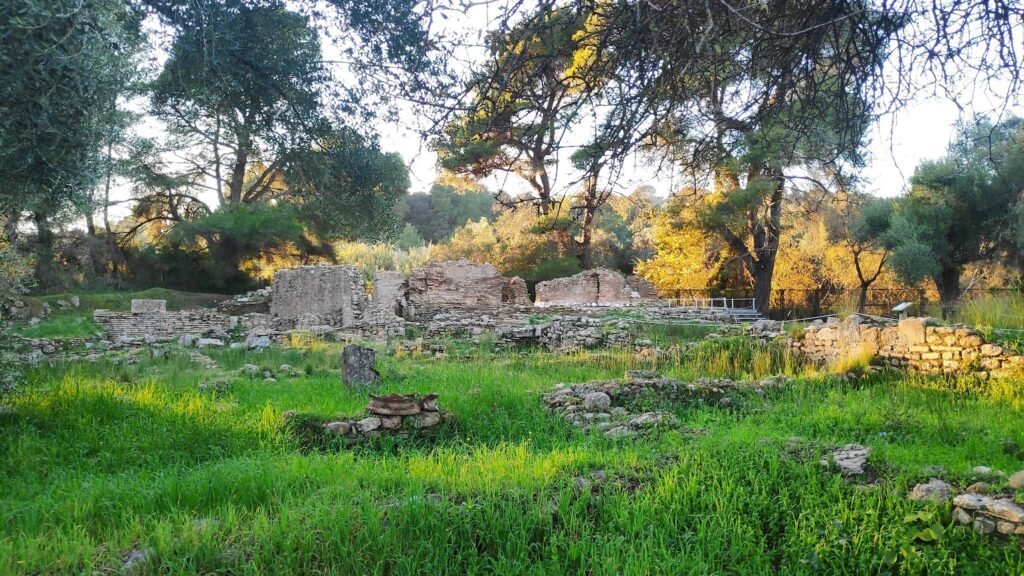
The Kladeos Baths represent one of the most impressive bathing complexes of Roman Olympia. Located at the western edge of the sanctuary, on the east bank of the Kladeos River, they lie outside the sacred precinct of the Altis. The complex was constructed around 100 AD during the Roman period, built directly over the site of the 5th-century BC open-air swimming pool of the earlier Greek baths. Their construction marks a significant shift in the Roman era toward luxury and leisure, contrasting with the strictly functional nature of the earlier Greek bathing facilities.

Architectural Layout and Function

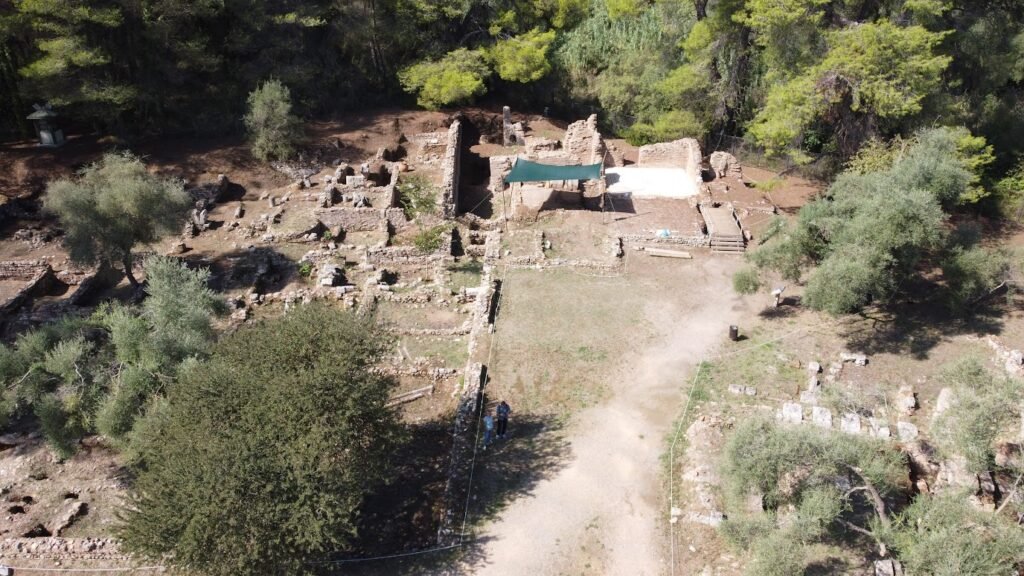
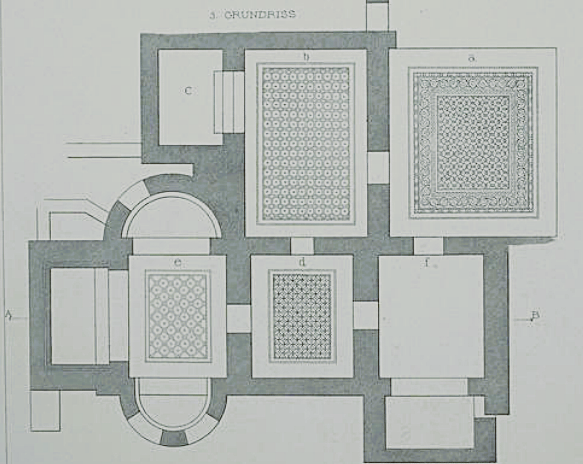
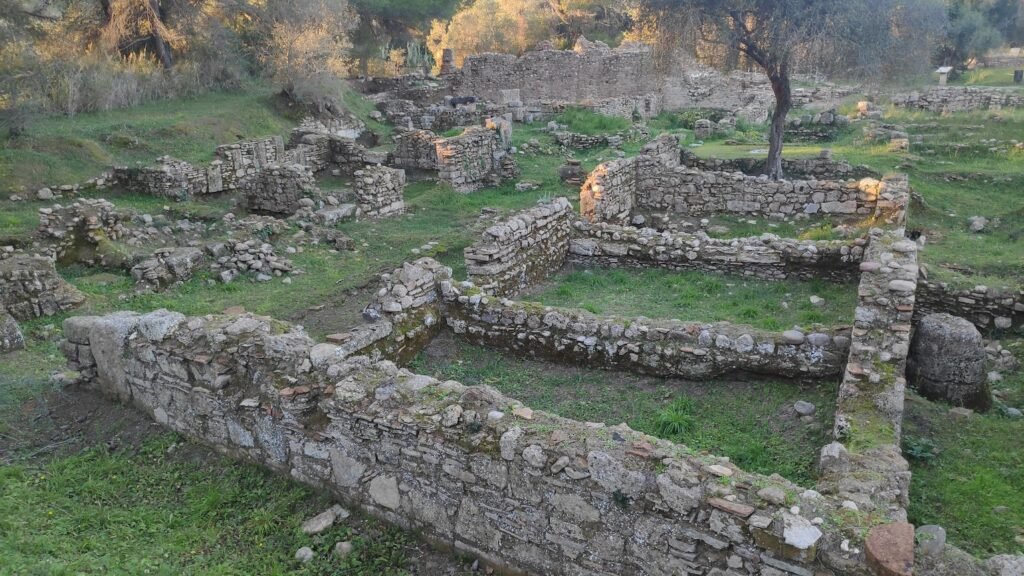
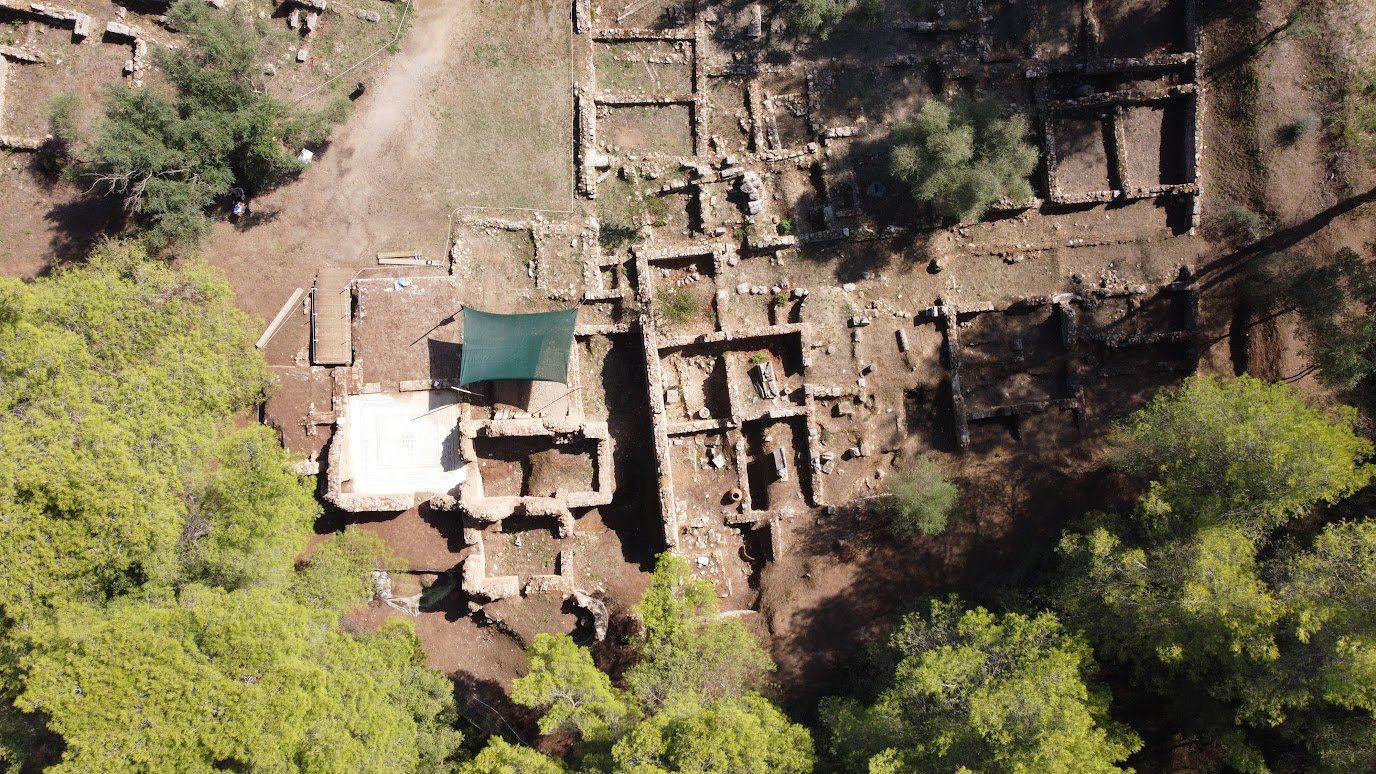
The monument covers an area of approximately 400 square meters and consists of fourteen (14) distinct rooms. The main entrance was located on the southern side, connecting the building to the neighboring Roman Hostels (Xenones).

The layout followed the traditional Roman bathing sequence of transitioning through different temperatures:

  • Apodyterium: Located in the southeastern section for visitors to undress and prepare.
  • Laconicum: A sweating room providing dry heat.
  • Tepidarium: The lukewarm transition room (middle heated chamber).
  • Caldarium: The hot bath area (western heated chamber).

Frigidarium: The cold bath hall located in the northern section of the complex.

Artistic Decoration and Opulence

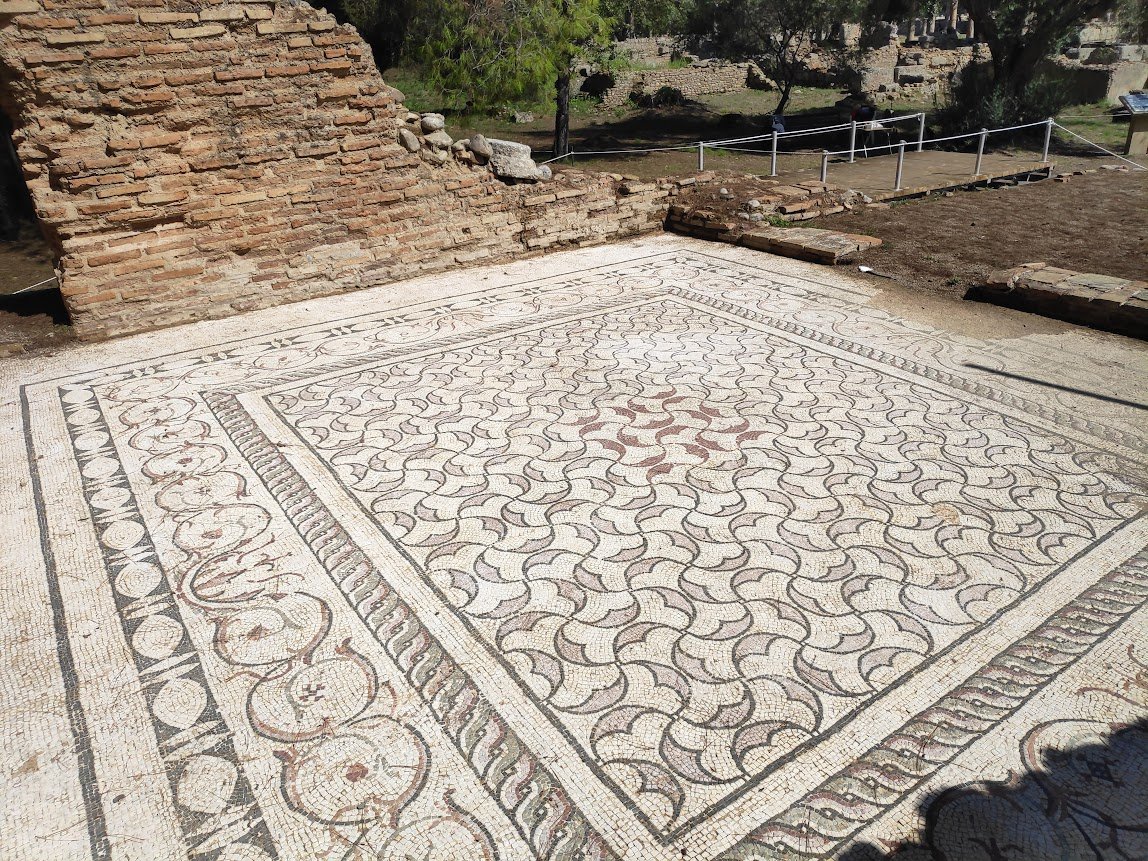
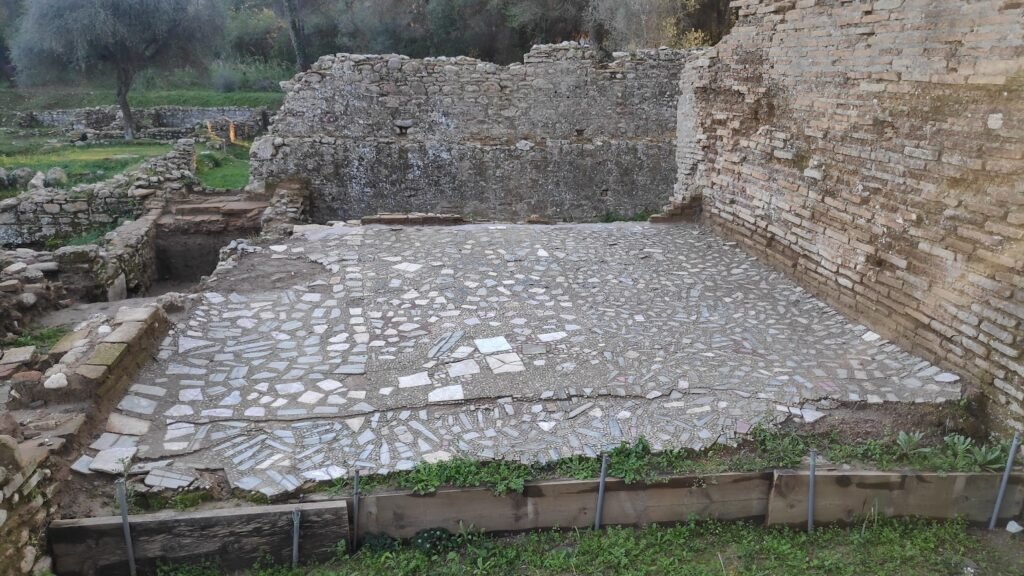
The aesthetic of the complex was unparalleled, reflecting the spirit of the era. The walls were revetted with multicolored marbles, while the floors were adorned with exquisite mosaics featuring geometric and floral motifs.

The rooms featured vaulted ceilings made of clay, providing both structural stability and thermal insulation.

Despite the damage caused by the Kladeos River—which swept away part of the western side over the centuries—the surviving mosaics remain a testament to the high social status of the bath’s patrons.


Excavation Research and Technical Features

The monument was systematically studied by the archaeologist H. Schleif (in collaboration with R. Eilmann), whose 1944 publication remains the standard for identifying the rooms.

Research revealed significant hydraulic features, such as sections of the ancient water conduit from the Classical-era pool discovered in a trench on the northern side.

The baths operated through a sophisticated overflow system, where excess water from the main tanks supplied auxiliary rooms to the east, ensuring maximum resource efficiency.

The Baths did not function in isolation. During the mid-2nd century AD, likely coinciding with the construction of “Hostel 1,” the access route was redesigned to directly serve the residents of the Roman Hostels.

This architectural cohesion proves that the western area of Olympia had been transformed into a cosmopolitan suburb, where hygiene and recreation were an integral part of the experience for visitors to the Olympic Games.

Main Features of the Kladeos Baths
Historical Context and Purpose

The Baths were constructed around 100 AD, on the site of the 5th-century BC Greek swimming pool.

They were designed to provide luxury and leisure, marking the transition from purely functional Greek baths to Roman amenities.

The complex served the Roman Hostels, transforming the western side of the sanctuary into a cosmopolitan suburb.

Architectural Design and Materials

The monument covers 400 sq.m. and consists of 14 rooms following the thermal sequence: Apodyterium, Laconicum, Tepidarium, Caldarium, and Frigidarium.

The interiors featured multicolored marbles and exquisite mosaics with geometric and floral motifs.

The ceilings were clay vaults, providing structural stability and thermal insulation.

Technical Features (Hydraulic Systems)

The facility operated with a sophisticated overflow system for maximum water resource efficiency.

An ancient water conduit from the Classical period was identified and remains visible via tiered embankment.

Plans include the promotion of the latrine through the conservation of its original ceramic elements.

Current Status and Enhancement

A strategic plan is being implemented to reclaim the ground plan and floors swept away by the Kladeos River.

A new visitor path traverses the conserved mosaic floors and the heated chambers.

Works include embankment reinforcement and the installation of information signs to fully integrate the monument into the archaeological site.

Past Restoration Interventions and Conservation

Preserving the delicate mosaic floors has been a priority for the archaeological service. The primary interventions include:

  • 2002-2003: Extensive stabilization and conservation work on the mosaics was carried out by the Directorate of Conservation of Ancient and Modern Monuments.

  • Access Improvements: As part of the site’s enhancement project, a specialized wooden viewing platform was installed at the northeastern corner of the monument.

  • Floor Protection: Interventions included cleaning, securing the tesserae (mosaic tiles), and protecting them from weather conditions, making the monument partially accessible and safe for public viewing.

Restoration and Enhancement Plan for the Baths

The Ministry of Culture is implementing a strategic plan for the full enhancement of the Kladeos Baths, aiming to restore the monument’s original form.

The program includes reclaiming parts of the ground plan and floors previously swept away by the river, reconstructing walls using ancient building techniques, and reinforcing the banks of the Kladeos to prevent erosion. Additionally, structural interventions are planned, such as filling cavities, repairing cracks, and managing rainwater drainage.

A key focus is placed on the visitor experience through a new path that will traverse the conserved mosaic floors, the dressing room, and the heated chambers.

To preserve historical continuity, the conduit of the Classical-era swimming pool will remain visible via tiered embankment, while the ancient latrine will be highlighted through the conservation of its ceramic elements.

The project includes the installation of informative signage and the relocation of the perimeter fencing, fully integrating the monument into the accessible areas of Ancient Olympia.