The Workshop of Pheidias is one of the most significant monuments at Olympia, directly linked to the creation of the chryselephantine statue of Zeus, one of the Seven Wonders of the Ancient World.
The building is strategically located west of the sacred Altis enclosure, directly opposite the magnificent Temple of Zeus.
The officials of Elis, responsible for the Olympian sanctuary, invited the renowned sculptor to Olympia to create a statue worthy of the recently completed temple.
Its position, immediately north of the Theokoleon (the priests’ residence), suggests close cooperation between the religious administrators and the staff for the continuous care of the precious cult statue.
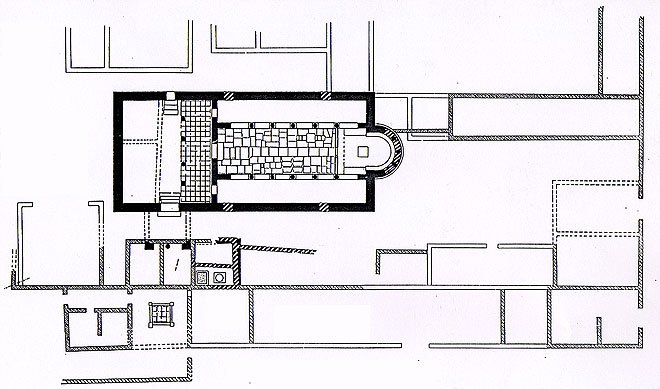
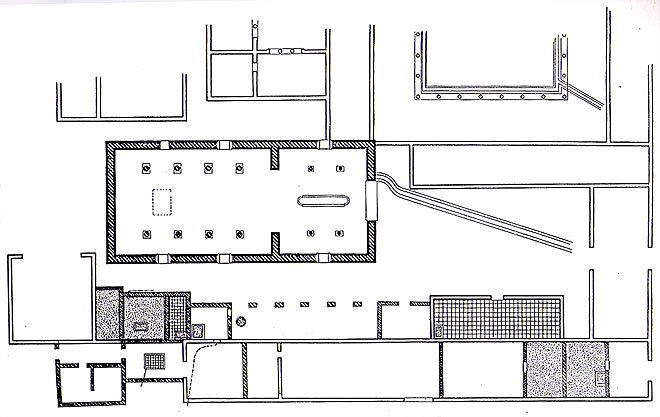
Constructed of shell-limestone, this three-aisled structure served as the workshop where Pheidias meticulously crafted the chryselephantine statue of Zeus.
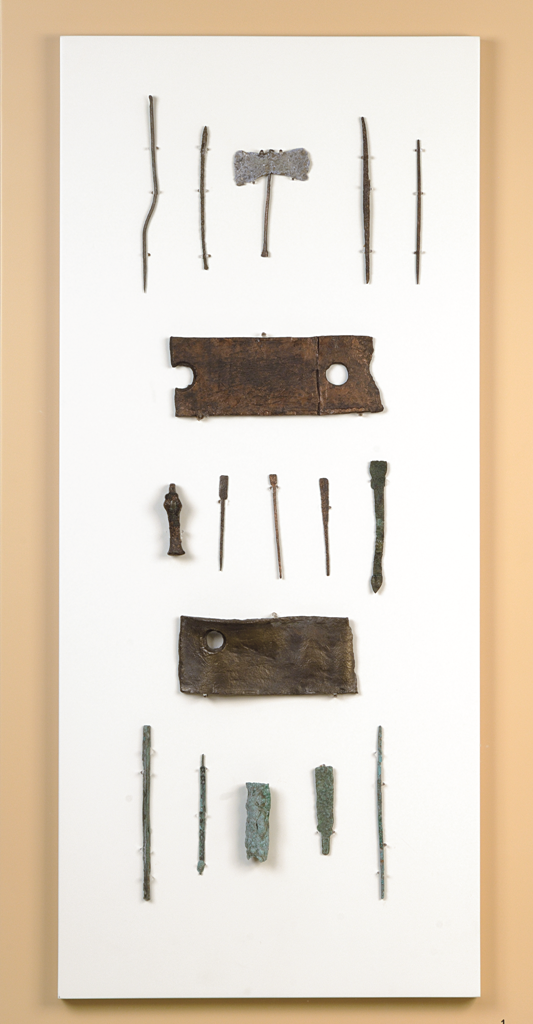
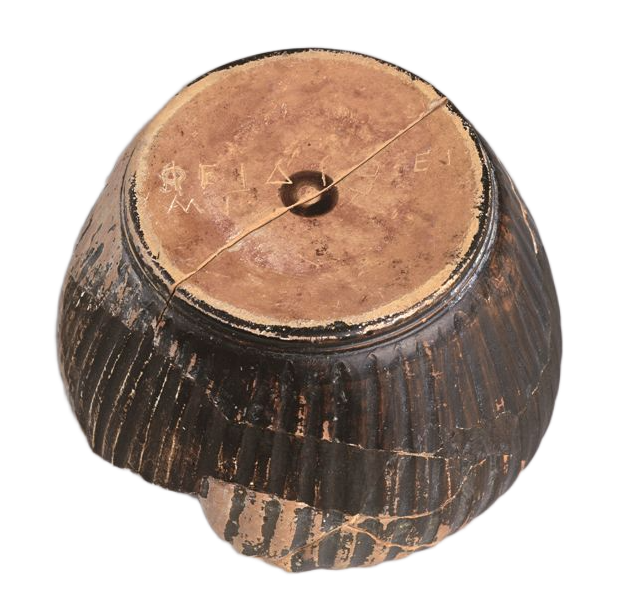
Using a wooden core revetted with gold, ivory, glass, and semi-precious stones, the sculptor and his craftsmen prepared the masterpiece in sections, supported by specialized tools and clay matrices found on-site—including a personal pitcher inscribed “I belong to Pheidias.”
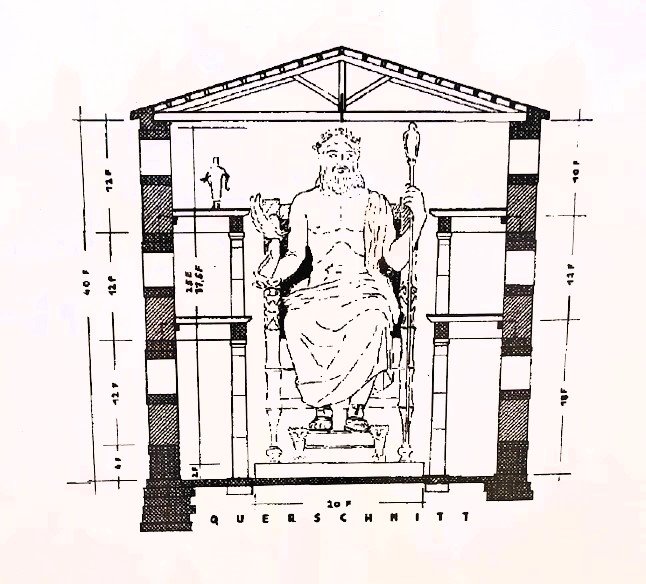
Once completed, the monumental figure was transported and assembled within the Temple of Zeus, depicting the deity enthroned in gold and ivory, his robes intricately adorned with glass floral motifs.
Demonstrating a unique historical continuity, the building served uninterrupted from the Classical era to the Byzantine period.
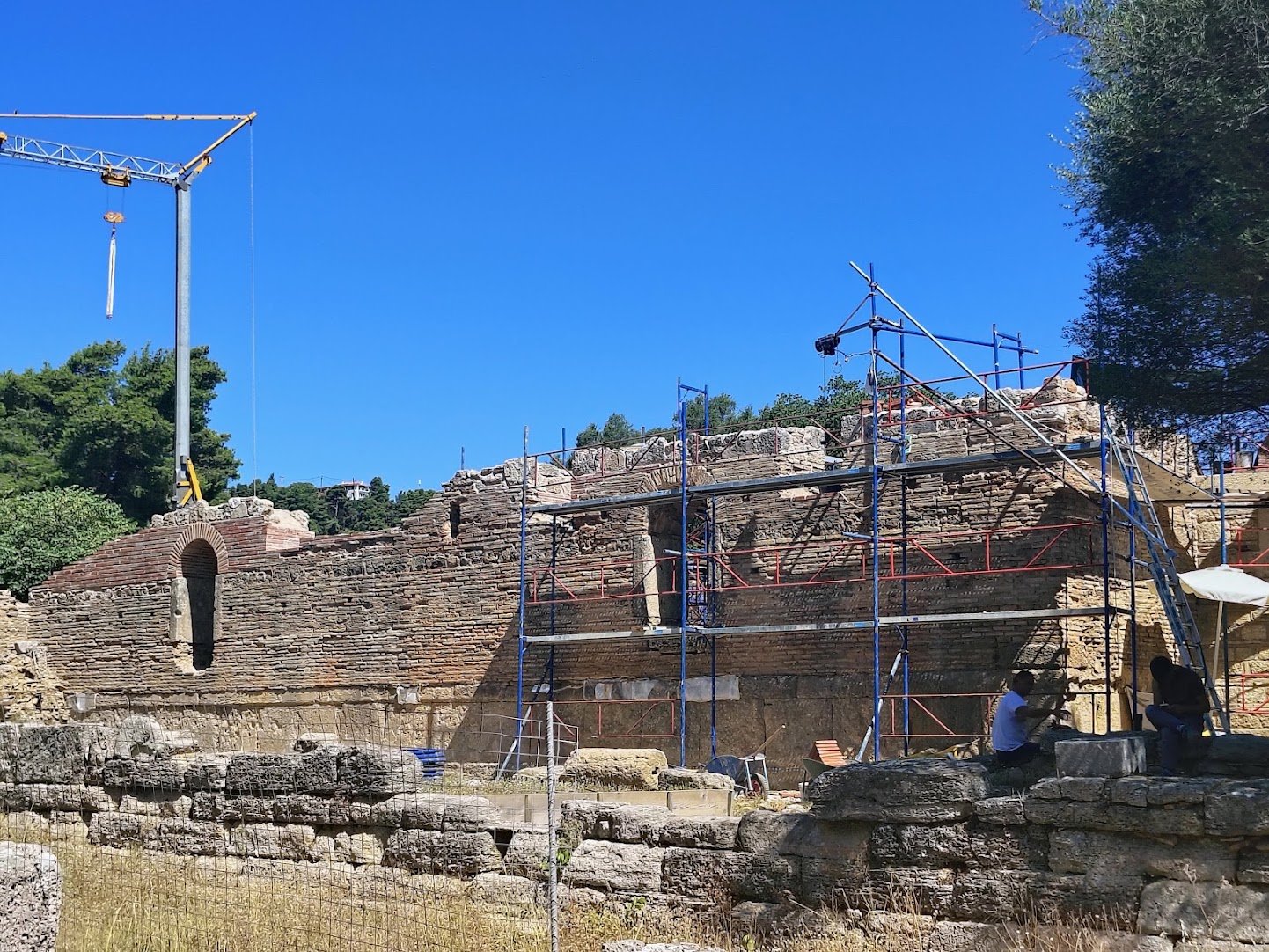
Originally identified as the workshop of Pheidias by the French expedition in 1829—a claim later confirmed by German excavations—the structure underwent a significant transformation in the mid-5th century AD. To serve a burgeoning Christian settlement, it was converted into a three-aisled Paleo-Christian basilica, the earliest known in Ileia region.
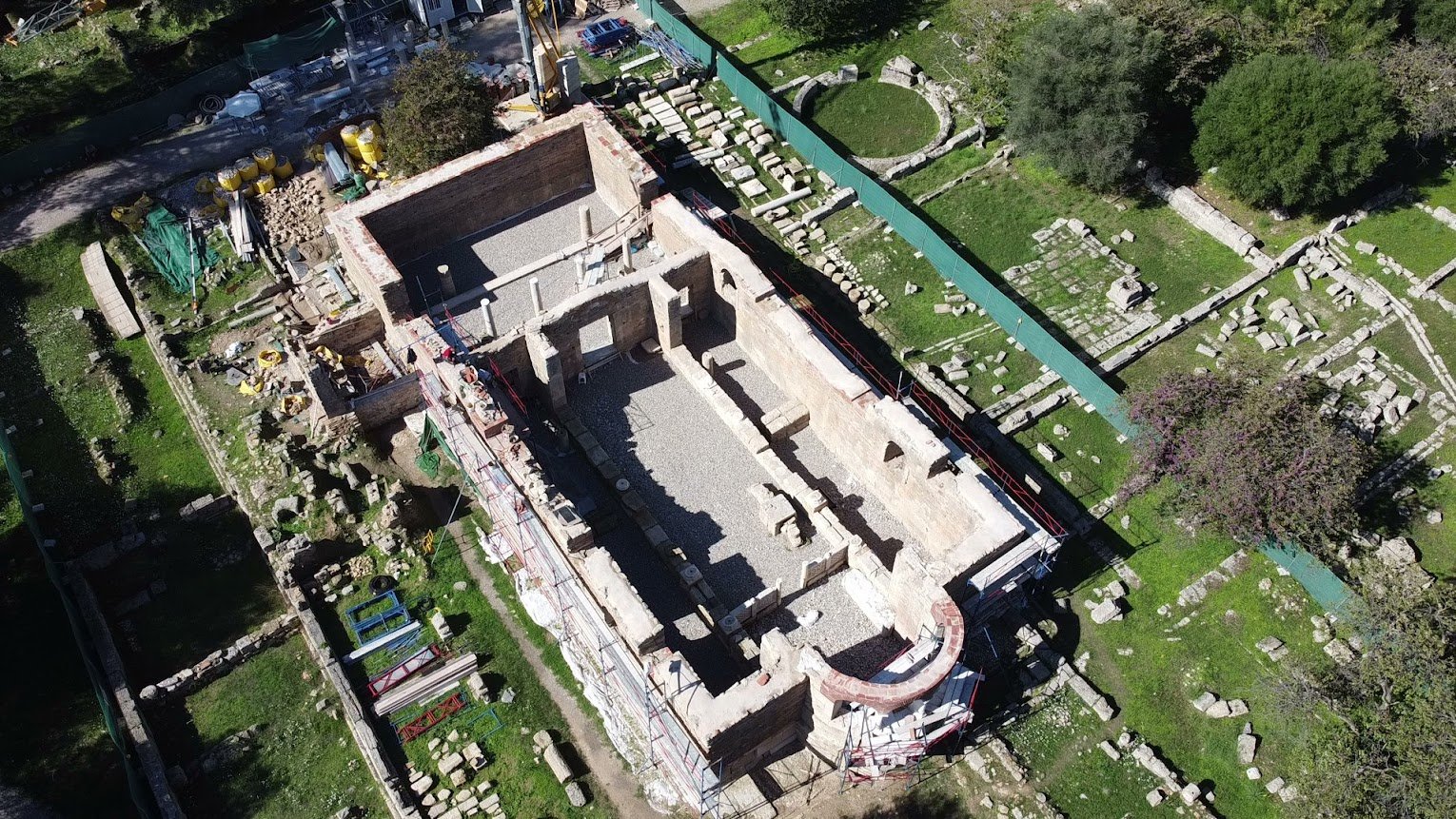
The basilica was constructed over the ancient foundations between AD 435 and 451, incorporating a wealth of “spolia”—reused marble and architectural members from earlier monuments like the Philippeion and the Nymphaeum. This timber-roofed church featured an apsidal sanctuary at its east end, brick walls, and marble flagstone floors.
While the church was destroyed by a massive earthquake in AD 551, significant elements remain today:
The Chancel Screen: The low marble screen of the sanctuary is still preserved.
The Narthex: Christian inscriptions found here offer insights into the church’s paving and contemporary professions.
Archaeological Preservation: Ancient architectural members have been gathered inside the narthex, while the marble floor was dismantled by excavators to allow for the investigation of the lower, ancient levels of the workshop.