Prytaneion
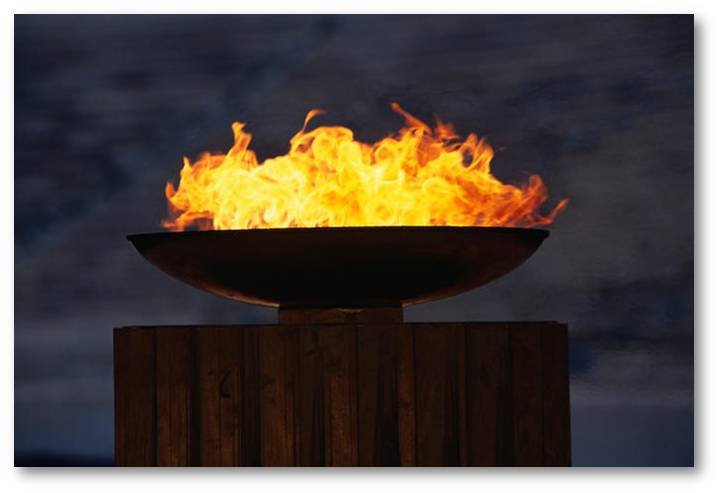
The Prytaneion served as the headquarters of Eleian officials who administered Ancient Olympia and housed the sacred hearth of Hestia, where an eternal flame burned continuously throughout antiquity

The Prytaneion of Ancient Olympia: Center of Administration and Sacred Fire

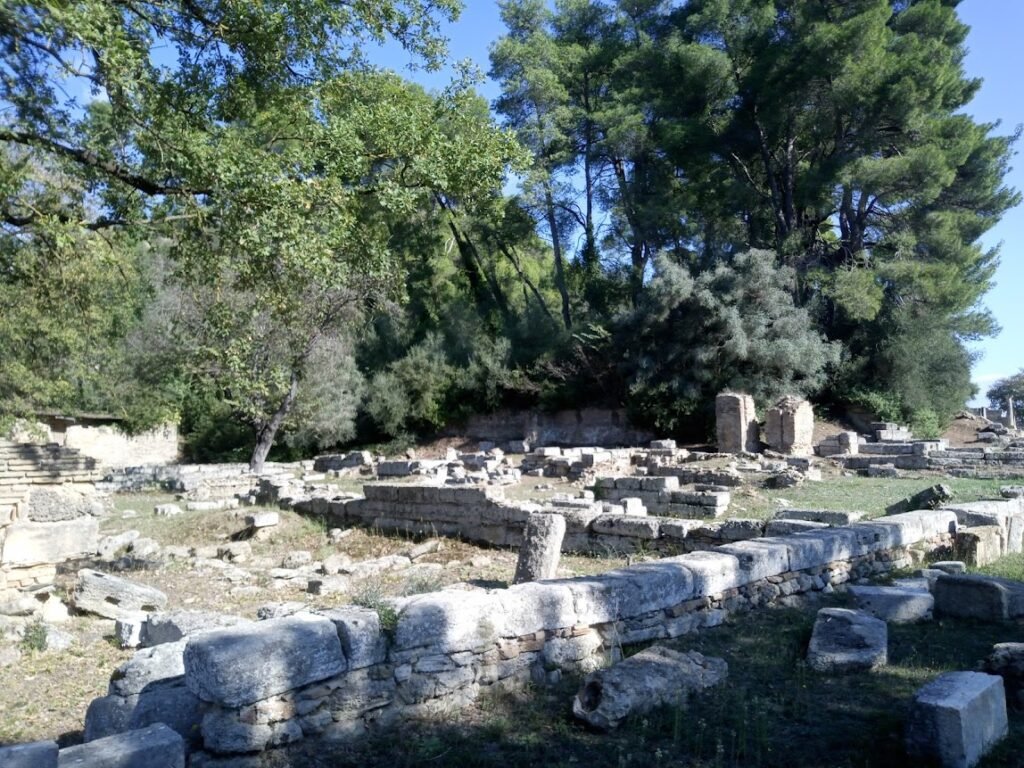
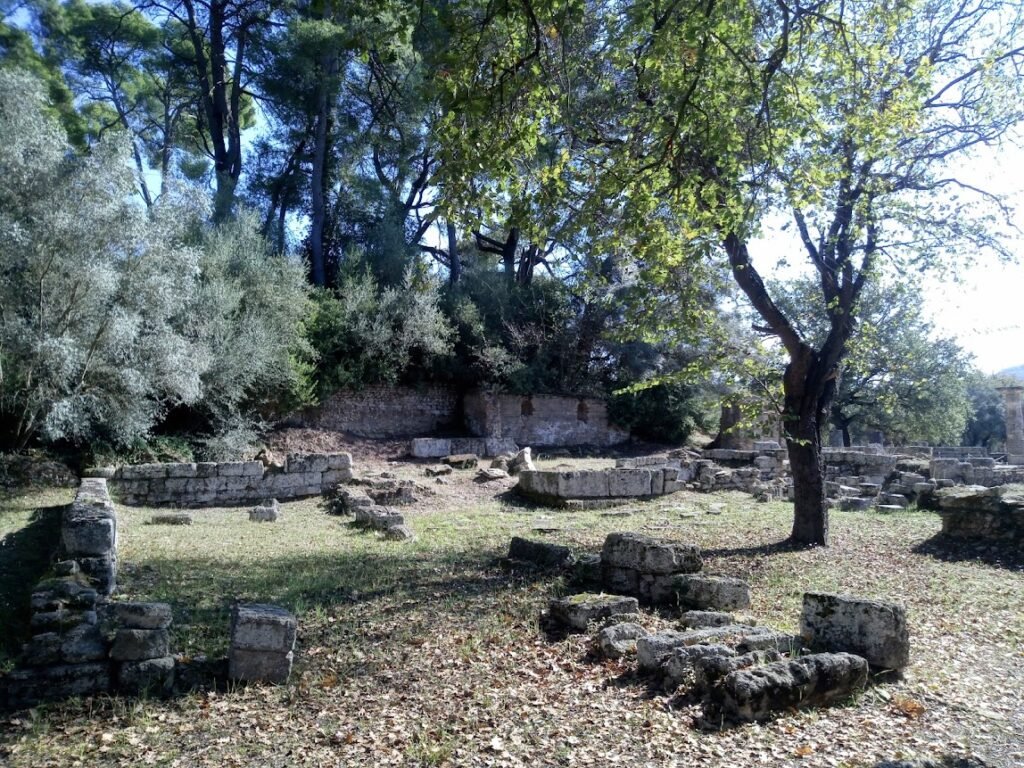
The Prytaneion, one of the oldest and most important structures within the Altis, stood as the official nerve center of the Ancient Olympia sanctuary. Located strategically in the northwest corner of the sacred enclosure, near the Temple of Hera and directly opposite the Gymnasium, it served as both the official residence and headquarters of the Eleian officials who administered the sacred site and oversaw the Olympic Games. Referred to by Pausanias as the ‘Prytaneion of the Eleans,’ this building was instrumental in the sanctuary’s political life, hosting the magistrates responsible for its continuous function and the monthly sacrifices to the gods

The Eternal Fire and Sacred Continuity

Beyond its administrative function, the Prytaneion was the spiritual heart of the sanctuary. Its most sacred feature was the central chamber, a space approximately 6.80 meters square, which housed the sacred hearth of Hestia (or the Eleans). Here, an eternal flame burned day and night throughout antiquity, representing the sanctuary’s perpetual vitality, sacred continuity, and the unbroken connection between the divine and mortal realms.

Tending this perpetual fire was one of the most vital religious duties at Olympia. The flame’s symbolic significance extended further: according to ancient accounts, the ashes produced by the eternal fire were constantly transported to the massive Altar of Zeus, contributing to the gradual growth and maintenance of that monumental structure. This connection underscored the Prytaneion’s fundamental role in the core religious practices of the sacred site.

Key Features

Location & Role

The Prytaneion stood in the northwest corner of the Altis, near the Temple of Hera and opposite the Gymnasium. It functioned as the official administrative centre and residence of the Eleian officials who managed the sanctuary and oversaw the Olympic Games.

Also known in ancient sources as the “Prytaneion of the Eleans.”

The Eternal Fire (Hestia / Eleans)

The central chamber (≈ 6.80 m square) housed the sacred hearth where an eternal flame burned continuously. This perpetual fire symbolized the sanctuary’s vitality and the sustained link between gods and humans.

Ashes & The Altar of Zeus

Ashes from the Prytaneion’s eternal fire were reportedly carried to the massive Altar of Zeus, contributing over time to that altar’s accumulation—demonstrating a ritual and physical connection between the Prytaneion and the sanctuary’s principal cult monument.

Ceremonial Victory Banquets

The Prytaneion hosted the victory banquets for Olympic champions after they received their olive wreaths. Winners dined in the presence of Eleian officials and sanctuary dignitaries, receiving social and religious recognition alongside athletic honours.

Diplomacy & Official Receptions

It served as a reception venue for foreign dignitaries and officials, providing a neutral, sacred setting for meetings and diplomatic exchanges between representatives of different Greek states.

Administration & Religious Duties

Beyond ceremonies, the Prytaneion was the administrative hub: magistrates lived and worked here, performing monthly sacrifices and overseeing the continuous functioning of the sanctuary.

Architectural Form & Dimensions

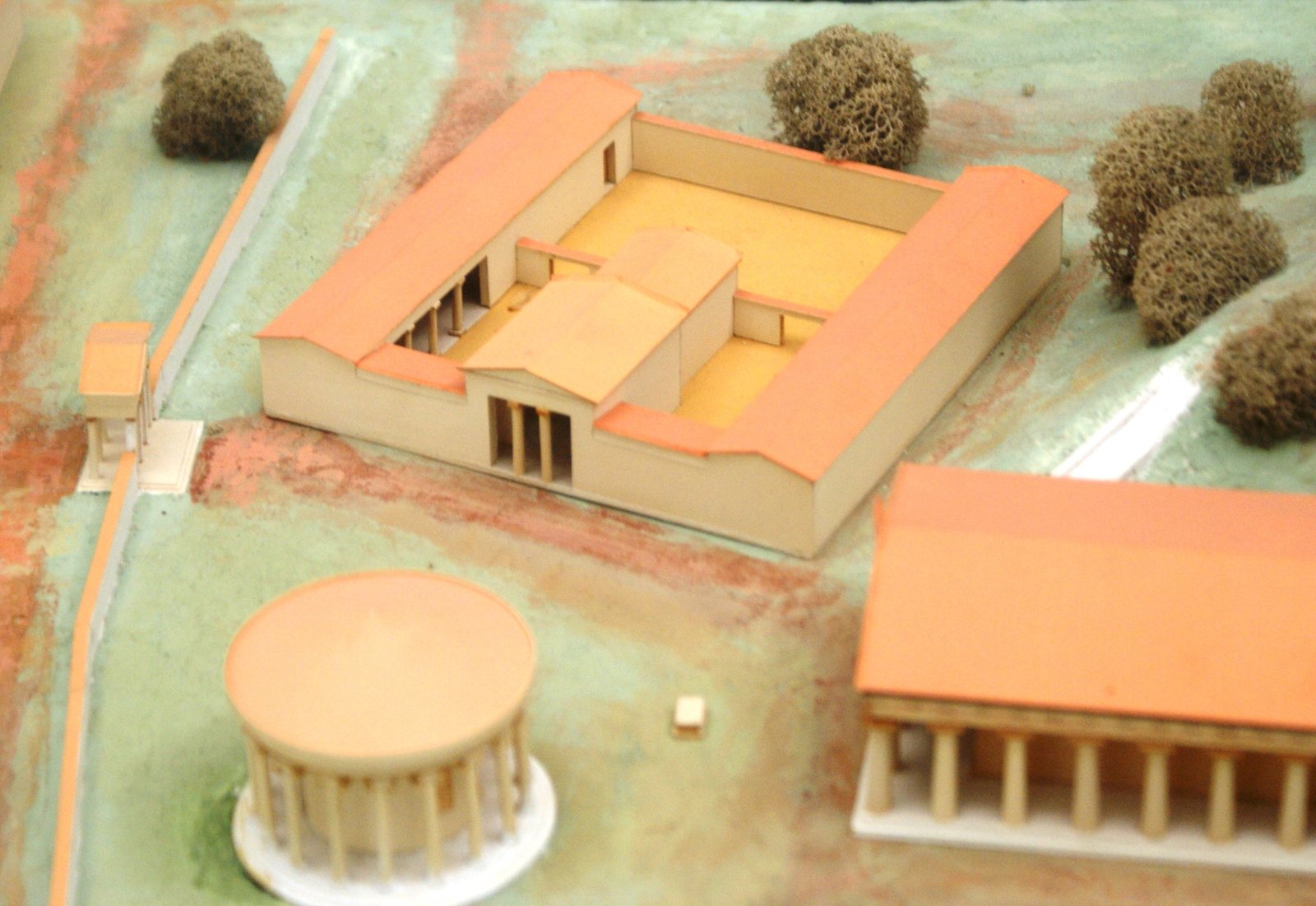
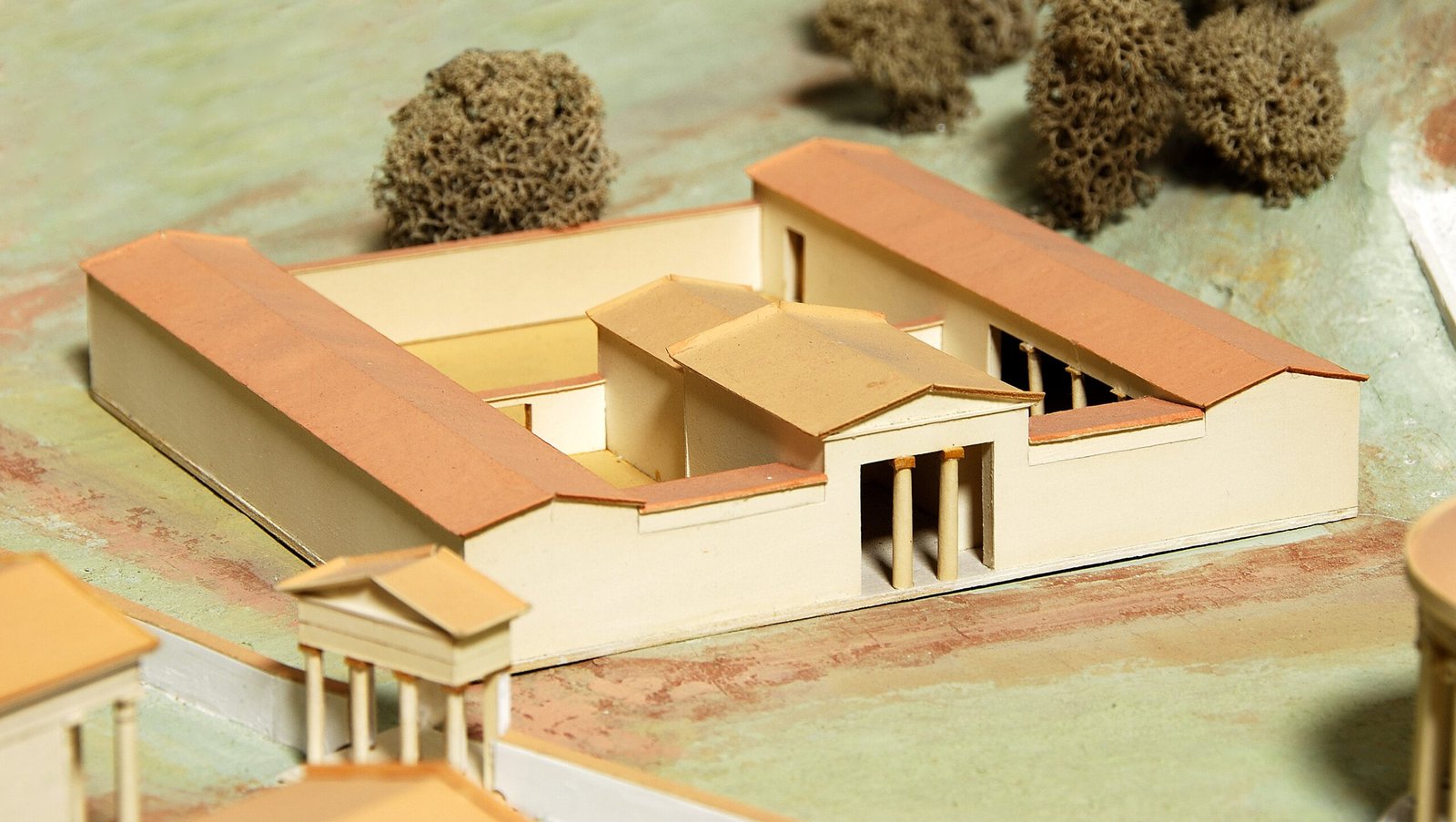
Dating in part to the late 6th / early 5th century BC and later remodeled, the building was a roughly square structure (c. 32.80 m). It had a south entrance, vestibule, interior rooms for administration and dining, and a central hearth chamber. An altar to Pan stood to the right of the entrance.

Placement among Sacred Structures & Lasting Significance

Positioned among the sanctuary’s most important buildings, the Prytaneion linked administrative, ceremonial, and religious life. Its ruins remind visitors that Olympia functioned as a complex institution where governance and religion were inseparable.

Architectural Form and Enduring Significance

The architectural design of the Prytaneion, which dated in some form to the late sixth or early fifth century BC and was later remodeled, was pragmatic yet prominent. The building was essentially a square structure measuring 32.80 meters, with a south entrance, a vestibule, and interior spaces designed for its multifaceted requirements: administration, dining, and the central hearth. Inside, to the right of the entrance, was also an altar dedicated to the god Pan.

Its placement among the most sacred structures of the Altis demonstrated its importance to the functioning of the entire site. 

Banquets of Glory and Panhellenic Diplomacy

One of the Prytaneion’s most prestigious secular functions was hosting the ceremonial victory banquet for the Olympic champions. After receiving their olive wreaths in the stadium, victorious athletes would be honored with a meal in the dining room—thought to have been located in the building’s west or north wing. Dining in the presence of Eleian officials and sanctuary dignitaries, this honor transformed the winners, granting them not just athletic glory but also profound social and religious recognition.

Furthermore, the building served as a crucial venue for official receptions and diplomatic meetings. Foreign dignitaries visiting Olympia were received in the Prytaneion, where matters of international importance could be discussed in an atmosphere of sanctity and neutrality. By providing a neutral ground for Greeks from competing city-states to meet peacefully, the building’s role in hosting such gatherings emphasized Olympia’s function as a unifying Panhellenic center.

Modern Insight

Today, the ruins of the Prytaneion remind visitors that Olympia’s sanctuary was not just an athletic venue rather than a complex and enduring institution demanding continuous administration and deep religious observance.

It was in Prytaneion that victorious athletes were elevated beyond mere competitors, and were granted the privilege of dining in the sanctuary’s most sacred civic space and emphasizing that Olympic victory carried profound social and religious meaning.

Model of the Prytaneion