The theokoleon

The seat of the priests of the Sanctuary of Olympia

The Theokoleon, the seat of the Theokoloi, those who serve the god, is a functionally critical, though often overlooked, administrative structure within the vast Sanctuary of Zeus at Olympia. Located west of the sacred Altis enclosure and immediately north of the famed Workshop of Pheidias, this complex served as the permanent dwelling for the Theokoloi, the official priests responsible for the continuous cult of Zeus and the execution of daily rituals.

The Classical Foundation (5th Century B.C.)

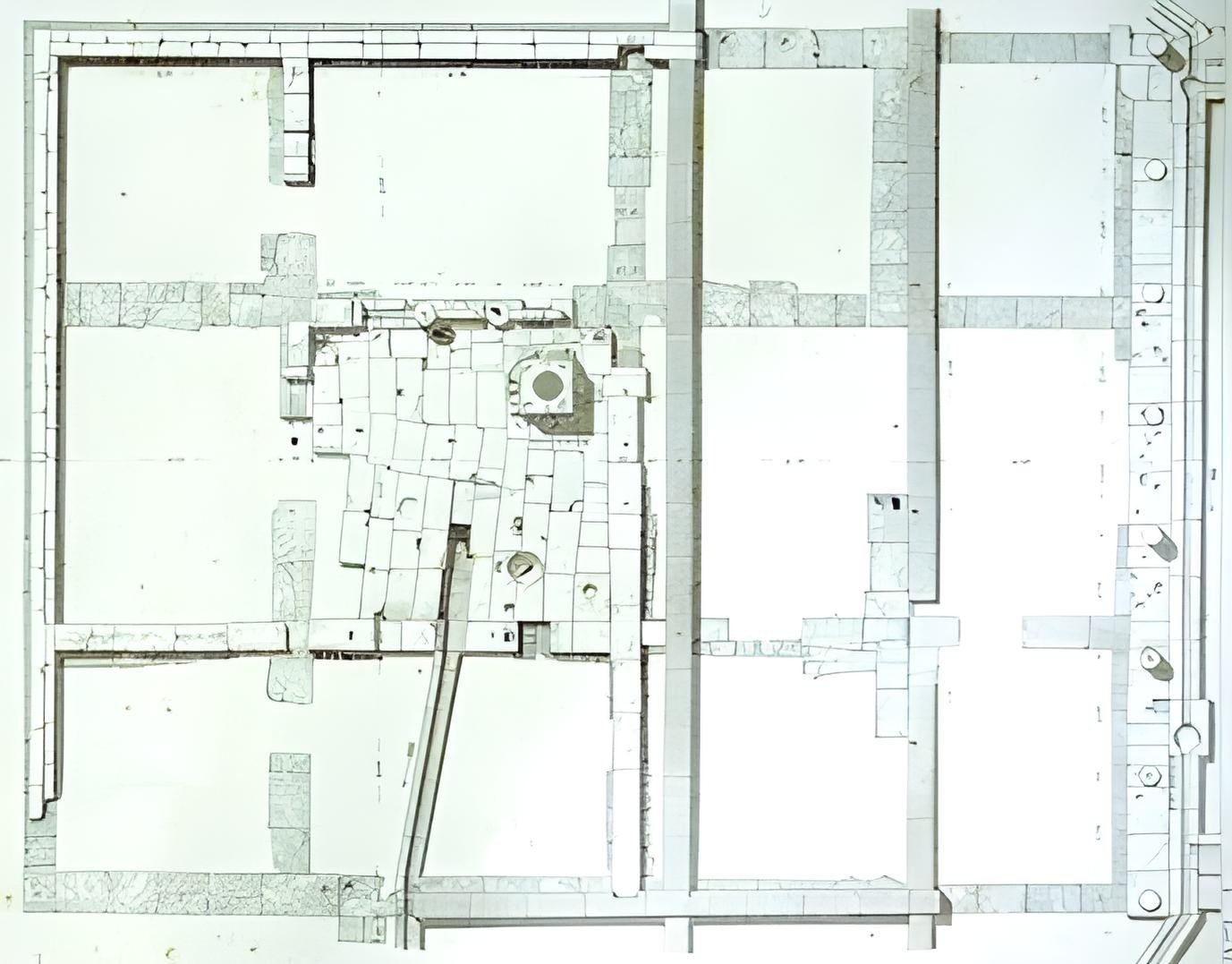
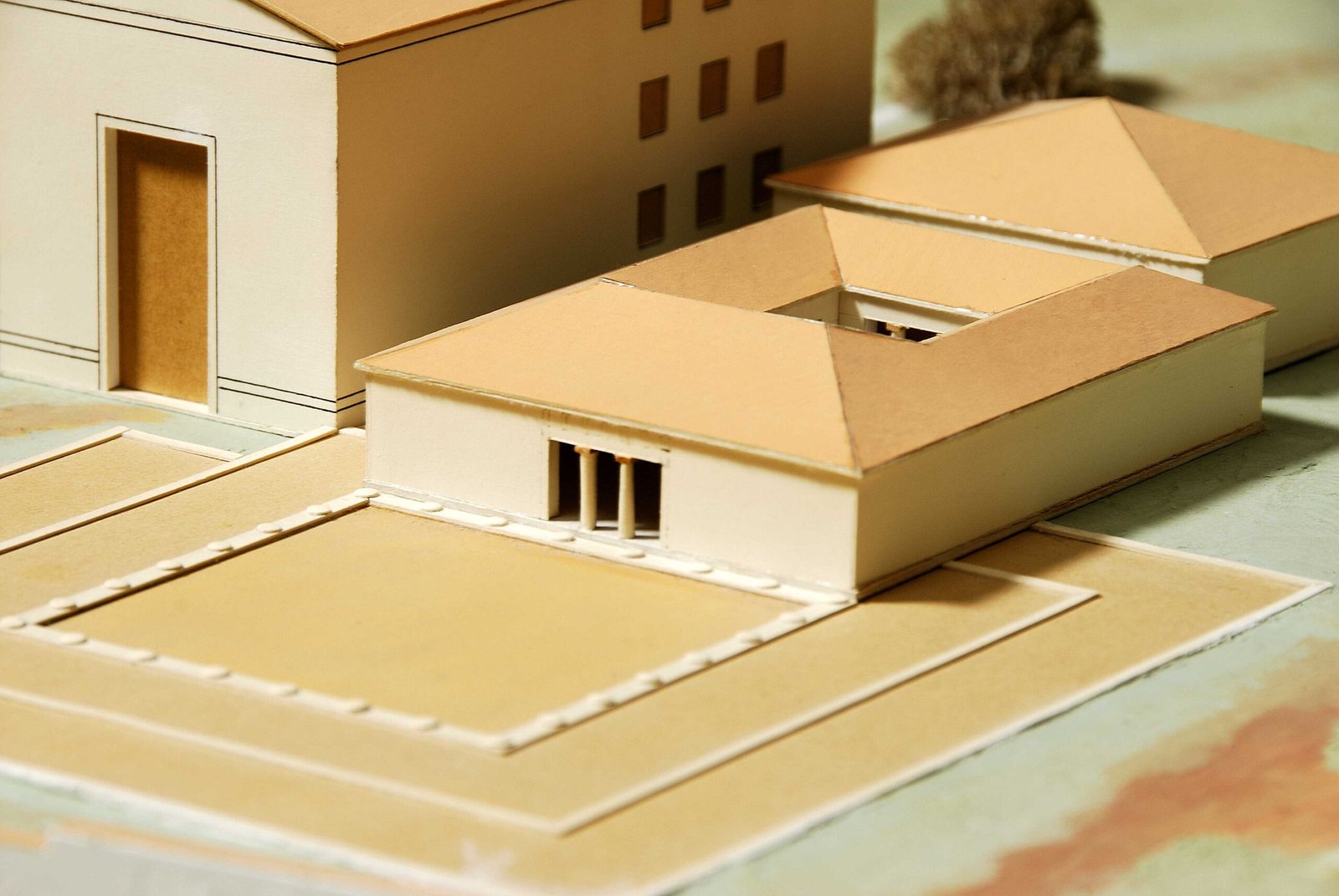
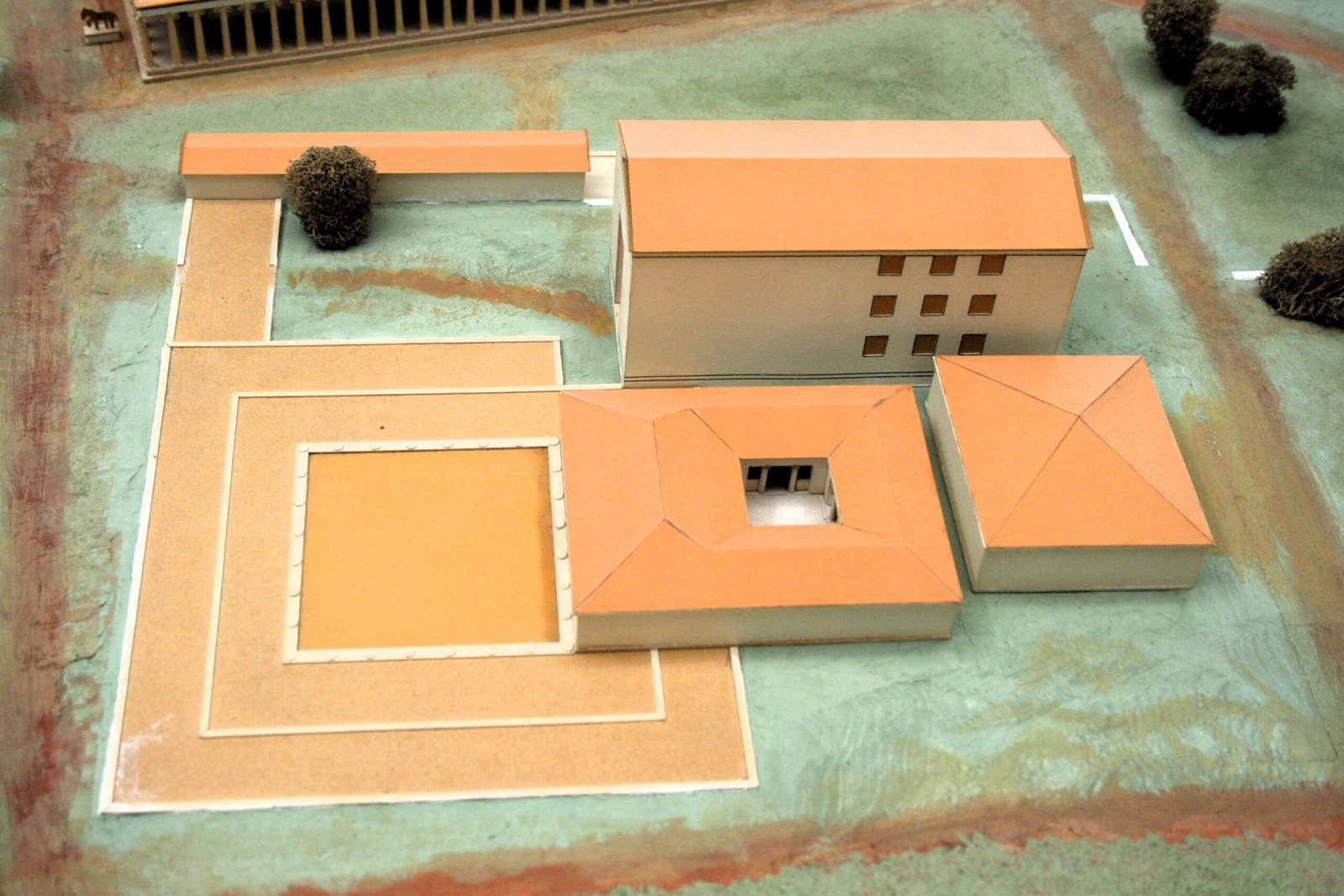
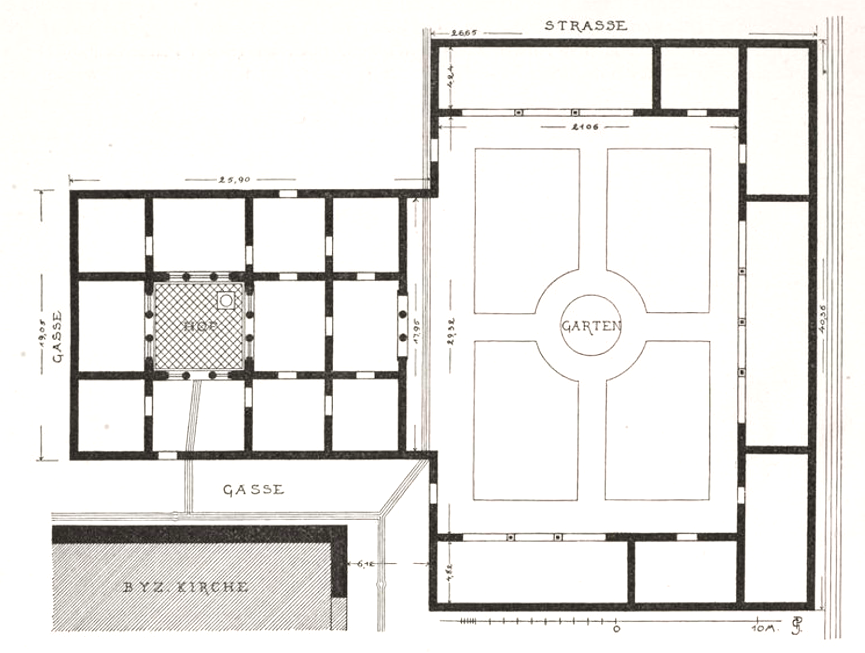
The structure’s life began modestly around the mid-5th century B.C.. The original Classical building was nearly square, measuring approximately 19 by 19 meters, centered on a courtyard.
Its precise, rationalized layout featured eight rooms: four accessed the courtyard directly through small columned porches (distyle in antis), optimizing the space for communal living and professional administration of the cult.
Later, during the Hellenistic period, three additional rooms were appended to the eastern face, suggesting modest growth in administrative needs

The Sanctuary’s Professional Staff

The Theokoleon housed not only the priests but the entire hierarchy of specialized personnel required for the perpetual worship and logistics of the sanctuary. 
 
This resident staff included soothsayers (manteis), guides (exēgētai), bearers of sacrificial animals (spondophoroi), musicians (aulētai), and the essential woodmonger (xyléas). 
 
The dedicated housing of the xyléas, whose sole role was wood procurement, underscores the massive logistical burden imposed by the continuous need for fuel for the Great Altar of Zeus

Theokoleon: Key Features and History

The Theokoleon (literally, “those who follow the God”) was the residential headquarters for the priests (Theokoloi) and specialized staff of the Sanctuary of Zeus at Olympia.

Core Function and Location

Primary Role: Served as both the administrative headquarters and the permanent dwelling for the Theokoloi, the priests responsible for the continuous cult of Zeus.

Location: Strategically situated just west of the sacred Altis enclosure and immediately north of the famed Workshop of Pheidias.
The Classical Foundation (Mid-5th Century B.C.)

Original Structure

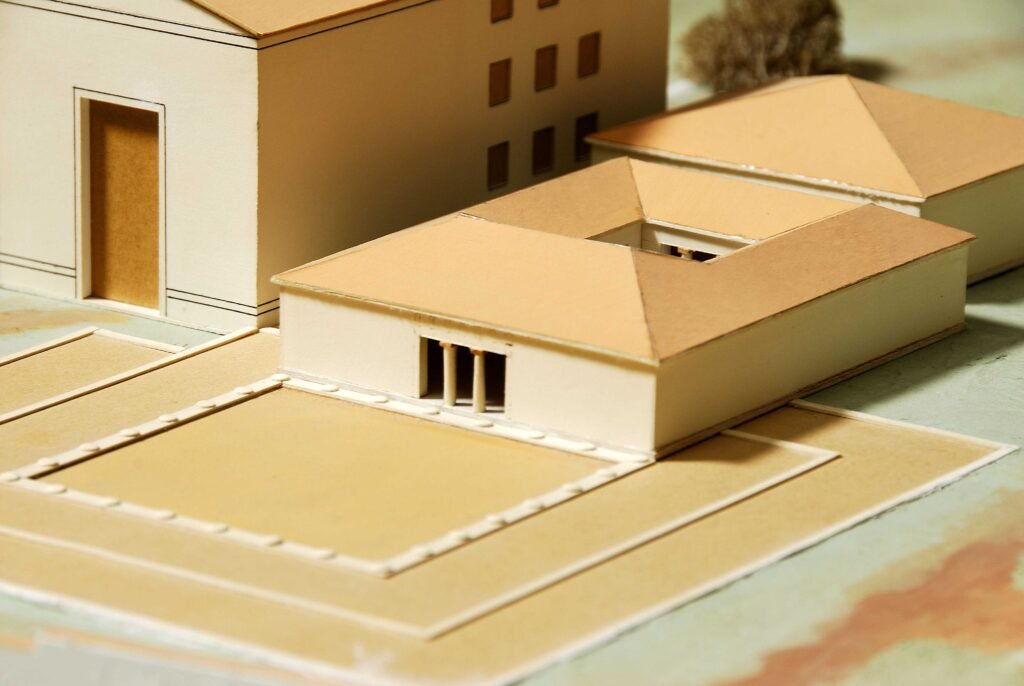
Initial Size: A modest, nearly square building, measuring approximately 19 x 19 meters.

Layout: Centered on a courtyard.

Design: Featured eight main rooms, four of which accessed the courtyard through small columned porches, designed for rationalized communal living and administration.

Hellenistic Addition: Three rooms were later appended to the eastern face, indicating a modest initial growth in administrative capacity.

 Sanctuary’s Professional Staff

The Theokoleon housed the entire hierarchy of resident personnel essential for perpetual worship:

Priests The Theokoloi.

Soothsayers

Interpreters – Guides

Sacrificial Bearers

Musicians

Woodmonger etc

Roman Imperial Grandeur and Expansion (1st–2nd Century A.D.)

Architectural Phase The most dramatic period of change, reflecting a time of Roman economic boom and elevated status for the administrators.

Expansion: A vast new wing was constructed to the east, integrating with the Classical core.

Final Size: The complex grew significantly, reaching approximately 38.58 x 40.36 meters, with a total area exceeding 1,550 square meters.

Key Feature: The new wing was dominated by a large peristyle court, transforming the building into high-status accommodation.

Late Antique Reuse and Archaeological Documentation

End of Cult Formal religious function ceased following the 393 A.D. decree by Emperor Theodosius I, banning pagan festivals and ending the Olympic Games.

Late Antique Reuse: During the 5th and 6th centuries A.D., the monumental Roman halls were systematically subdivided and adapted into smaller domestic dwellings for the nascent Christian settlement.

Archaeology: The layered history was uncovered by the German Archaeological Institute (DAI), starting in 1875. The documentation highlights the architectural palimpsest (Classical core, immense Roman overlay, fragmented Byzantine conversions) and the economic contraction of Late Antiquity through the use of material appropriation.

Visiting Status

The Theokoleon is an essential part of the Archaeological Site of Olympia, a UNESCO World Heritage site since 1989.

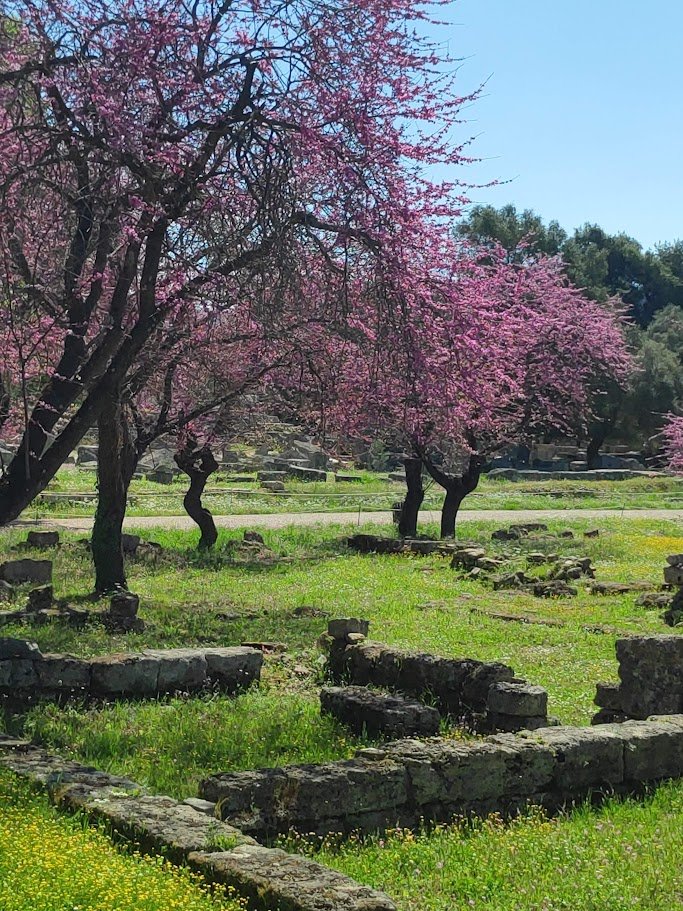
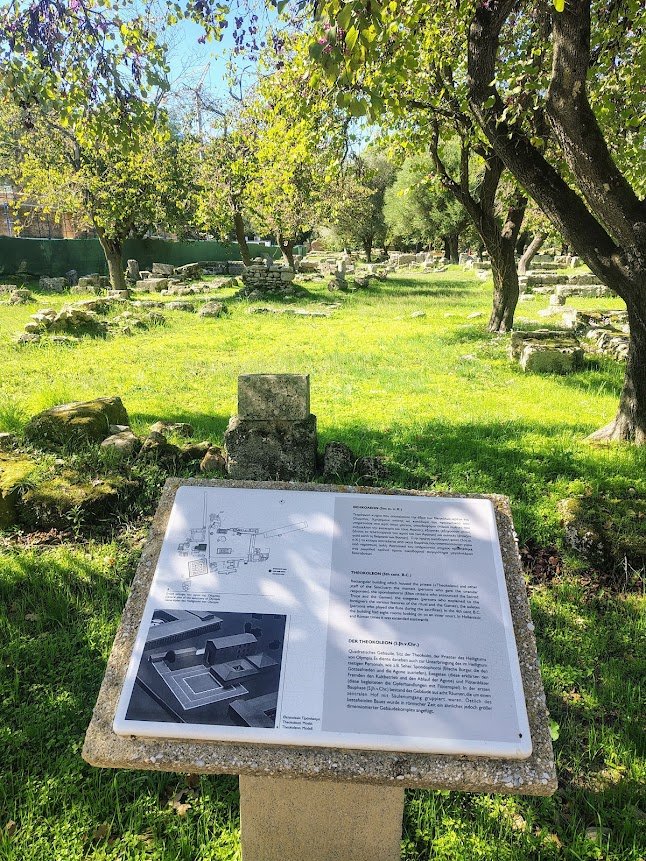
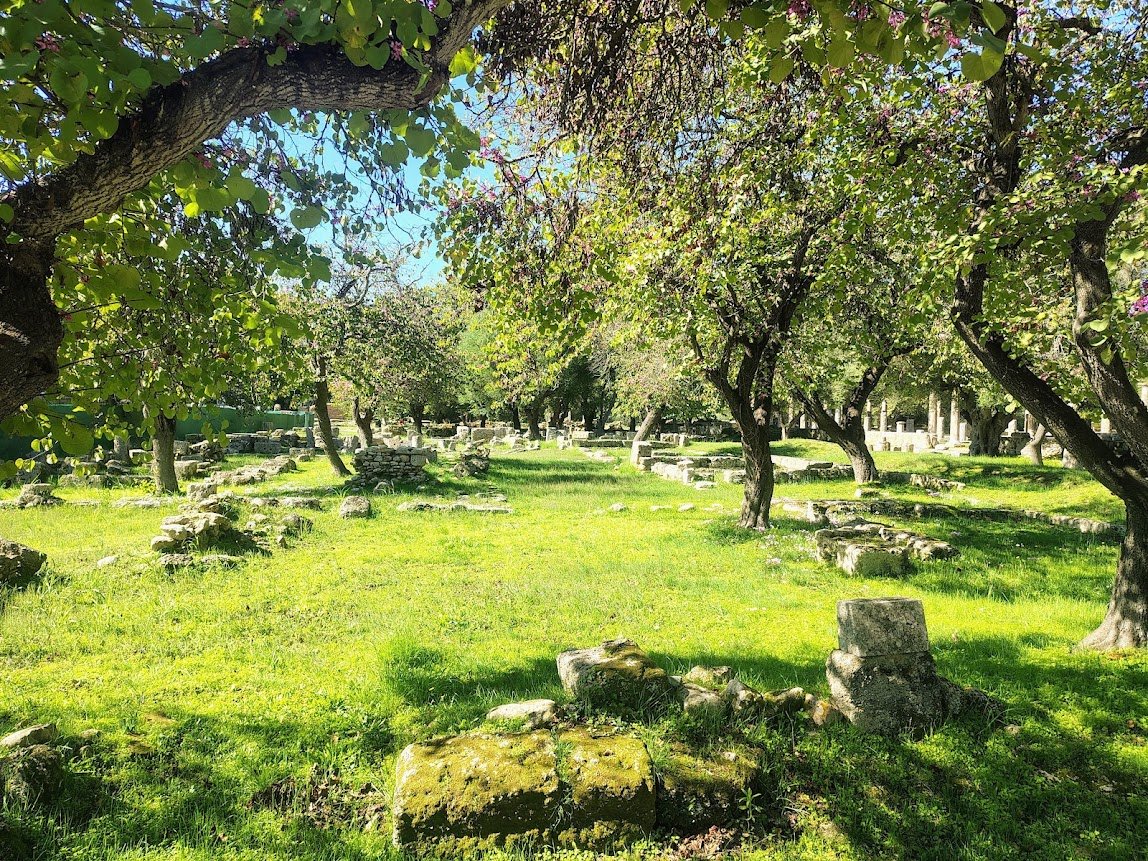
It is currently closed for the visitors, but its remains are visible on the site.

Roman Imperial Grandeur and Expansion

The most dramatic phase of architectural change occurred during the Roman Imperial period (1st–2nd century A.D.), a time of economic boom and large-scale construction activity in Greek sanctuaries. 

The Romans did not simply renovate the existing structure; they constructed a vast new wing to the east, integrating it with the classical core. 

The final complex measured approximately 38.58 by 40.36 meters, exceeding 1,550 square meters in total area. This new wing was dominated by a large peristyle court, transforming the building from a modest barracks into a complex suitable for high-status accommodation, reflecting the elevated social standing of the sanctuary’s administrators under the Roman Empire.

The End of the Cult and Late Antique Reuse

The religious function of the Theokoleon formally ceased following the decree of Emperor Theodosius I in 393 A.D., which banned pagan festivals, thus ending the ancient Olympic Games.

Despite the abolition of the cult, occupation of the site continued. 

During the 5th and 6th centuries A.D., the monumental Roman halls were systematically subdivided and adapted (metaskevés) into smaller domestic dwellings for the nascent Christian settlement established west of the Altis.

Archaeological Uncovering and Documentation

Our nuanced understanding of the Theokoleon’s layered history stems from the systematic, long-term excavations initiated by the German Archaeological Institute (DAI) starting in 1875. 

Archaeologists, including notable figures like Wilhelm Dörpfeld and Alfred Mallwitz, meticulously documented the intricate architectural palimpsest—the small Classical core beneath the immense Roman overlay, followed by the fragmented Byzantine domestic conversions. 

The conversion of the formal structure into humble, partitioned homes is a key example of material appropriation (spolia), demonstrating the profound economic contraction experienced during Late Antiquity.


Although the Theokoleon is currently closed for the visitors, it remains an essential part of the Archaeological Site of Olympia, recognized as a UNESCO World Heritage site since 1989.