The Sanctuary of Demeter Chamyne
Ancient Olympia, as the site of the Olympic Games, conceals significant ancient structures beneath modern infrastructure, many of which were previously known only through the descriptions of ancient travelers, such as Pausanias. One such point, previously unknown and inaccessible for decades, was the Sanctuary of Demeter Chamyne. Its discovery in recent years, situated exactly under the central road that traversed the archaeological site, proved decisive, leading to the necessary interruption of car traffic and setting the stage for the unification of Olympia’s antiquities.

A Chthonic Deity at the Heart of Ancient Olympia

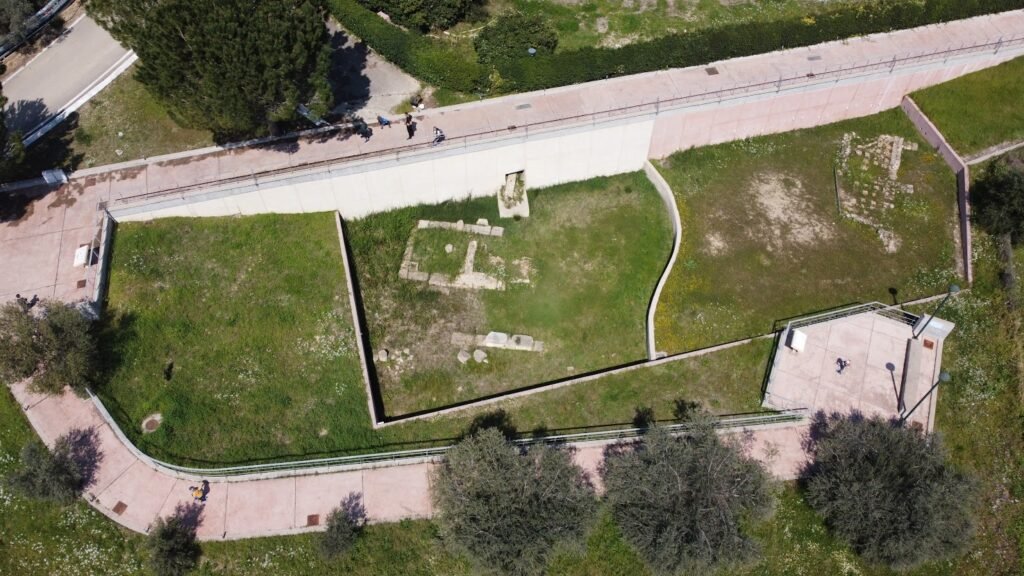
The Sanctuary was initially located in 2006, situated 150 meters east of the ancient Stadium and near the facilities of the International Olympic Academy.

The revelation came as a result of a random event: a technical contract for the construction of a pipeline intended to carry water from the Erymanthos river to Pyrgos.

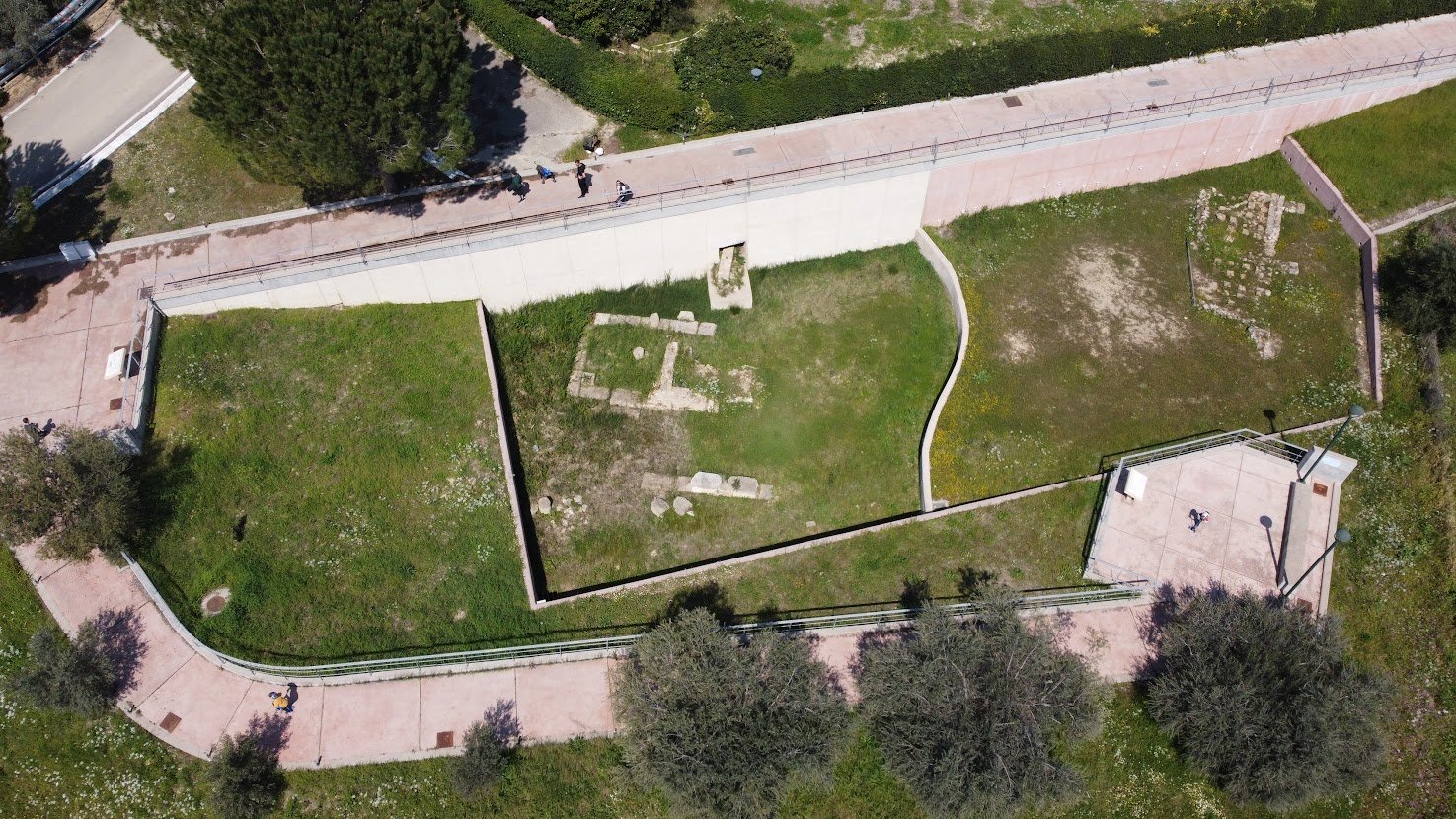
When the asphalt pavement was removed, the Sanctuary was identified at a depth of two and a half meters, while Roman baths also came to light nearby (to the east).

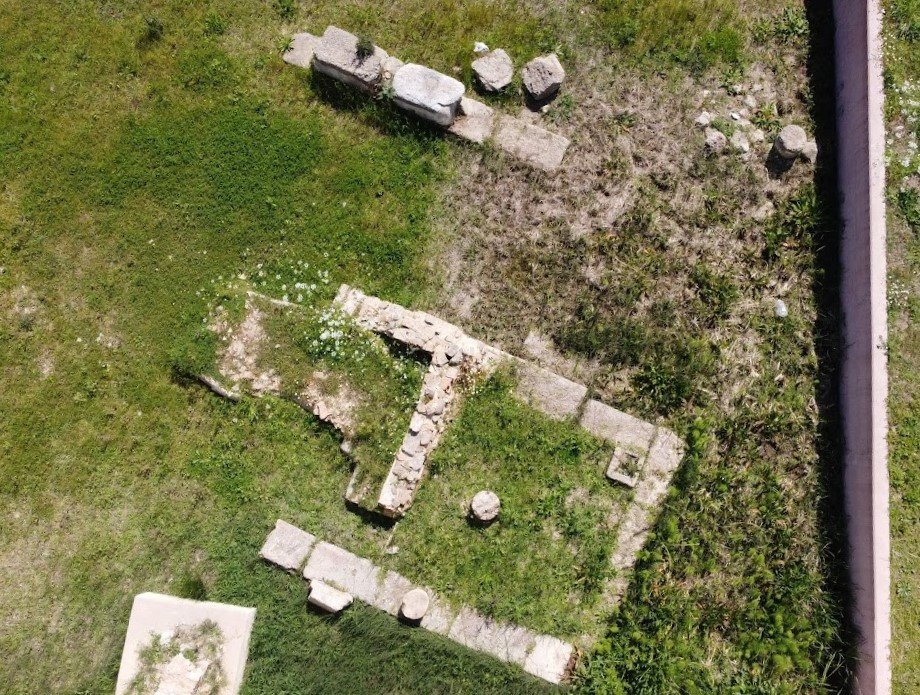
The building uncovered had a rectangular plan, constructed from shelly poros stone, and its initial phase is dated to the 5th century B.C., although it was never completed.

Demeter Chamyne: The Chthonic Deity

Demeter Chamyne is an old chthonic deity. Her epithet, Chamyne, has been interpreted in various ways, primarily meaning “sitting on the ground”

Another interpretation suggests the name derives from ‘chamai + eune, meaning “lying or sleeping on the earth”. According to Pausanias, some believed the name was old and signified that the earth gaped open for Hades’ chariot to pass and then closed up once more. 

This deity was a prehistoric divinity associated with the vegetation and the fecundity of the earth, functions that Artemis may have also assumed.

Key Features of The Sanctuary of Demeter Chamyne

Unexpected Discovery and Location
  • Previously Unknown: Before its discovery, the structure was known only through the descriptions of ancient travelers like Pausanias.
  • Location: Situated exactly under the central road that traversed the archaeological site, 150 meters east of the ancient Stadium.
  • Discovery Date: Initially located in 2006.
  • Circumstance: Revelation came from a random event—a technical contract for a pipeline construction (Erymanthos river to Pyrgos).
  • Depth: Identified at a depth of **two and a half meters after asphalt removal.
  • Structure: Rectangular plan building constructed from shelly poros stone.
  • Dating: Initial phase is dated to the 5th century B.C., though it was never completed.
 Demeter Chamyne: The Chthonic Deity
  • Type of Deity: An old chthonic deity (associated with the underworld and earth).
  • Meaning of Epithet ‘Chamyne’:
    • Primary interpretation: “sitting on the ground“.
    • Another interpretation: Derived from chamai + eune, meaning “lying or sleeping on the earth“.
    • Pausanias’ Account: Some believed it signified that the earth gaped open for Hades’ chariot to pass and then closed up.
  • Association: Associated with vegetation and the fecundity of the earth.
Finds and Confirmation of the Cult
  • Confirmation: Identification confirmed by a multitude of movable finds related to Demeter’s worship.
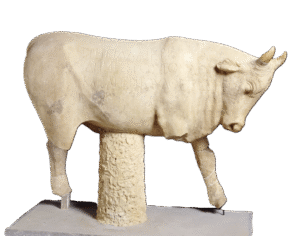
  • Common Finds: Clay and bronze vessels, and figurines of women, cattle, pigs, and protomes.
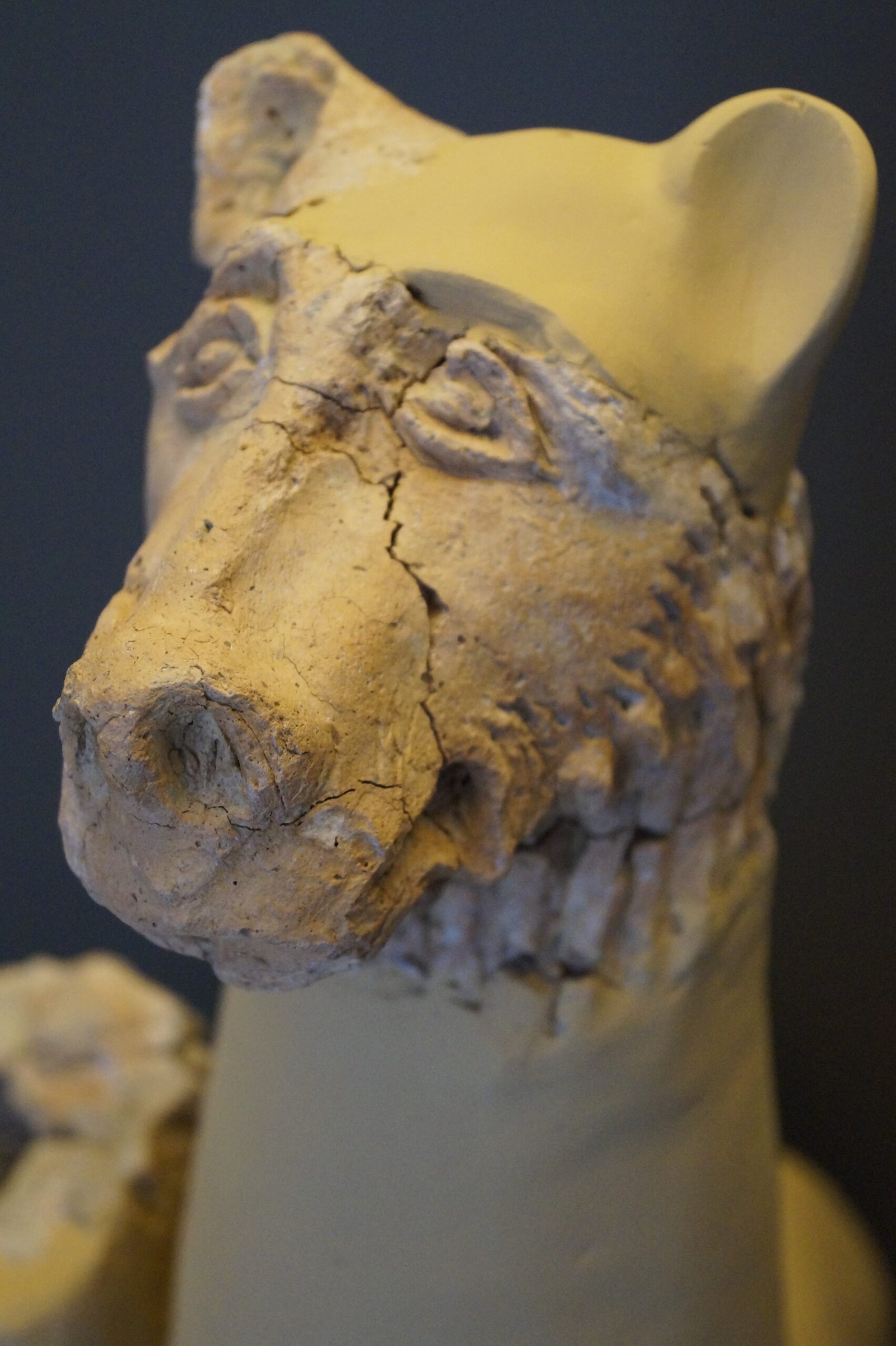
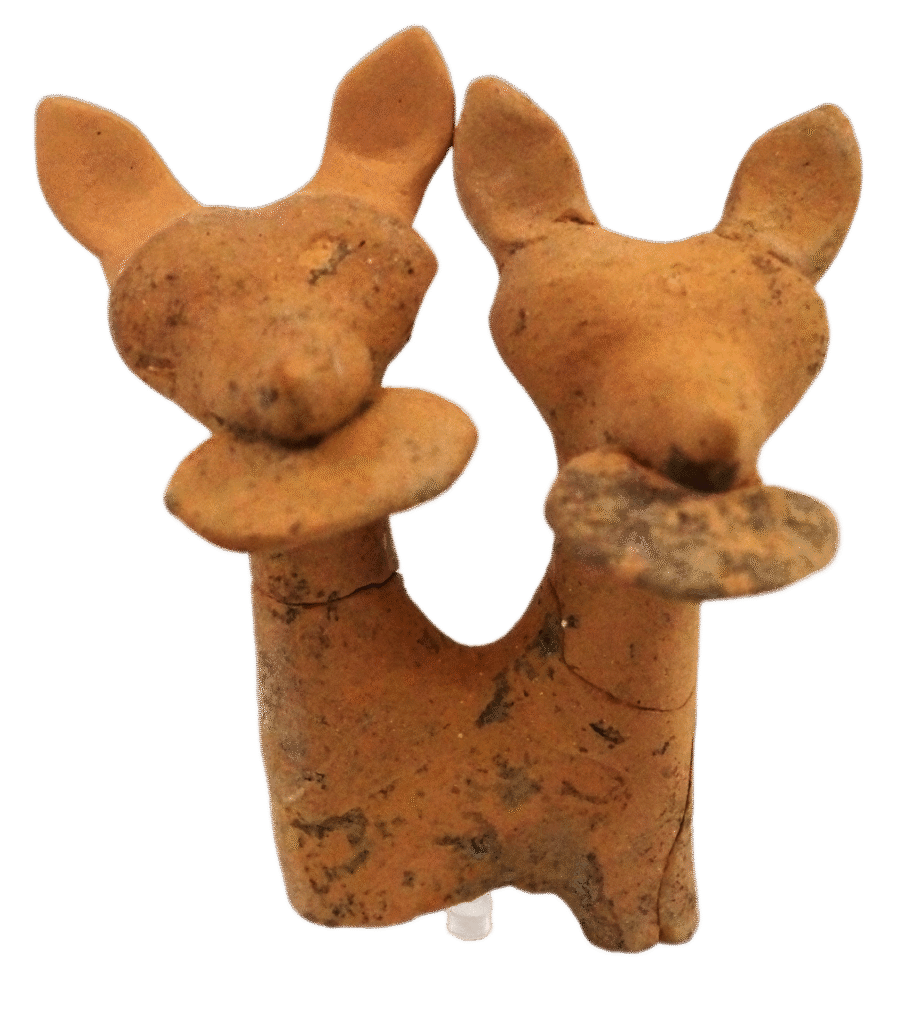
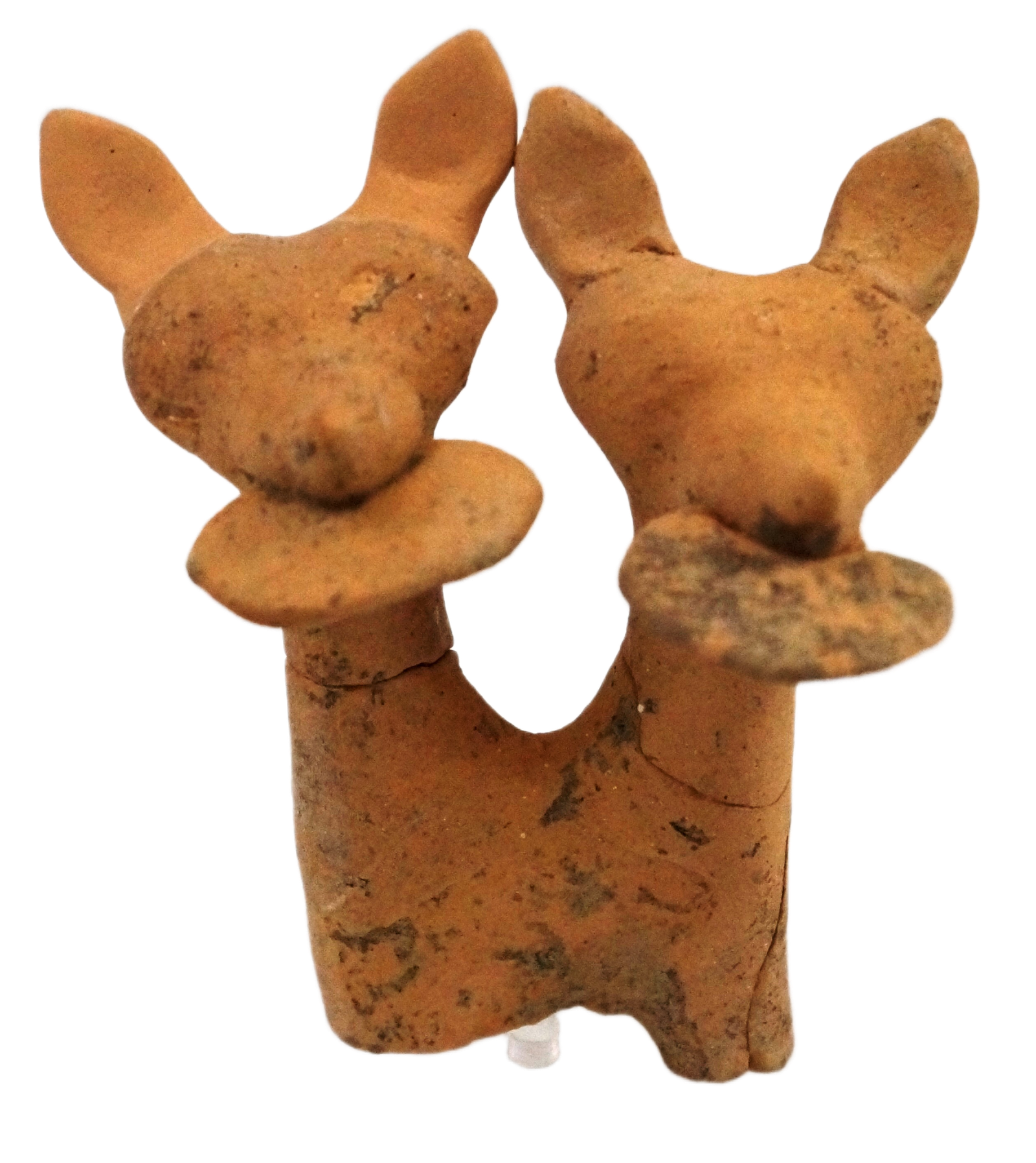
  • Most Significant Unique Find: A terracotta figurine of a two-headed Kerberos, holding popana (cakes) in its mouth.
    • This Kerberos served as an offering to Hades, confirming the chthonic nature of the worship.
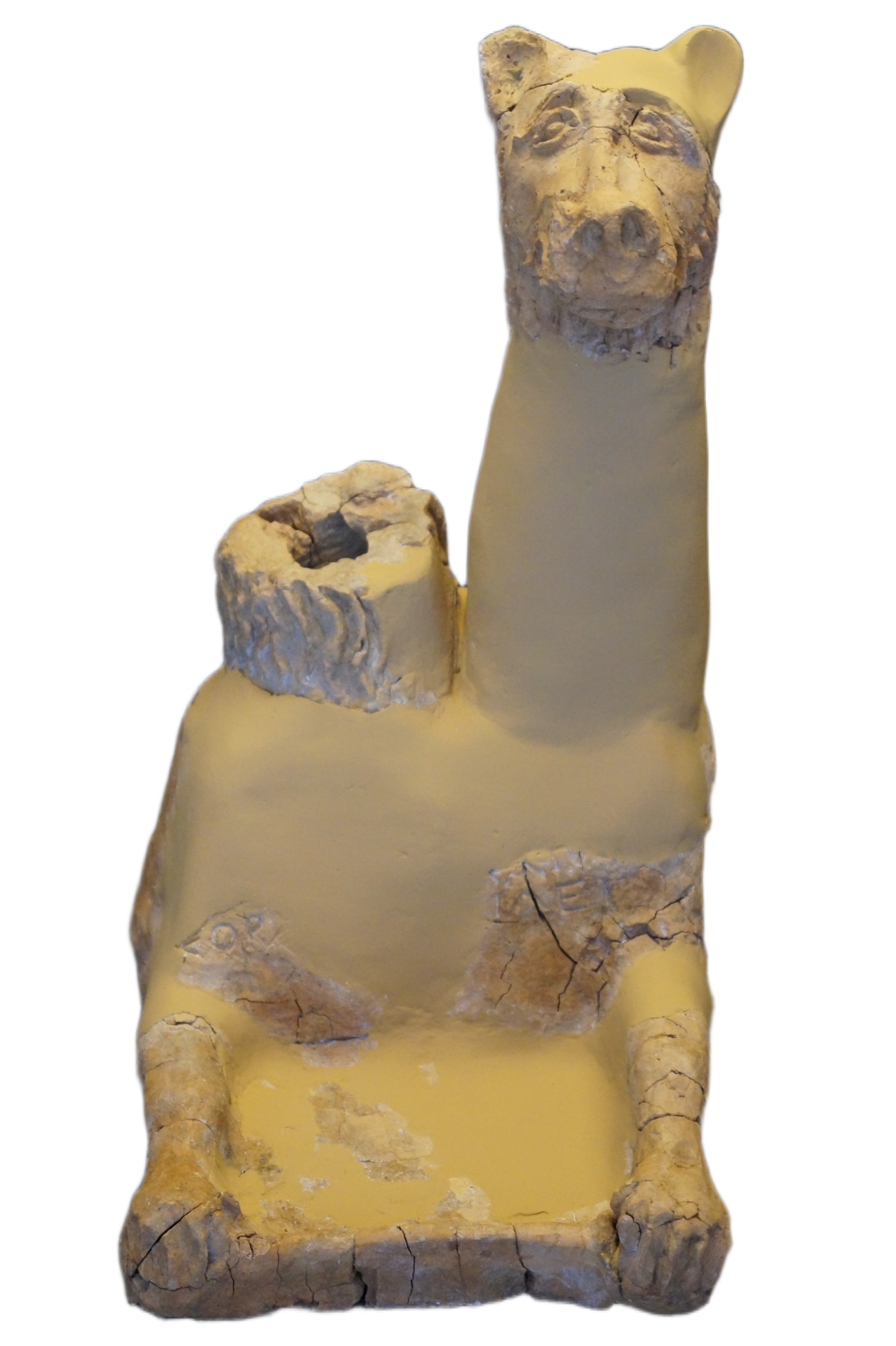
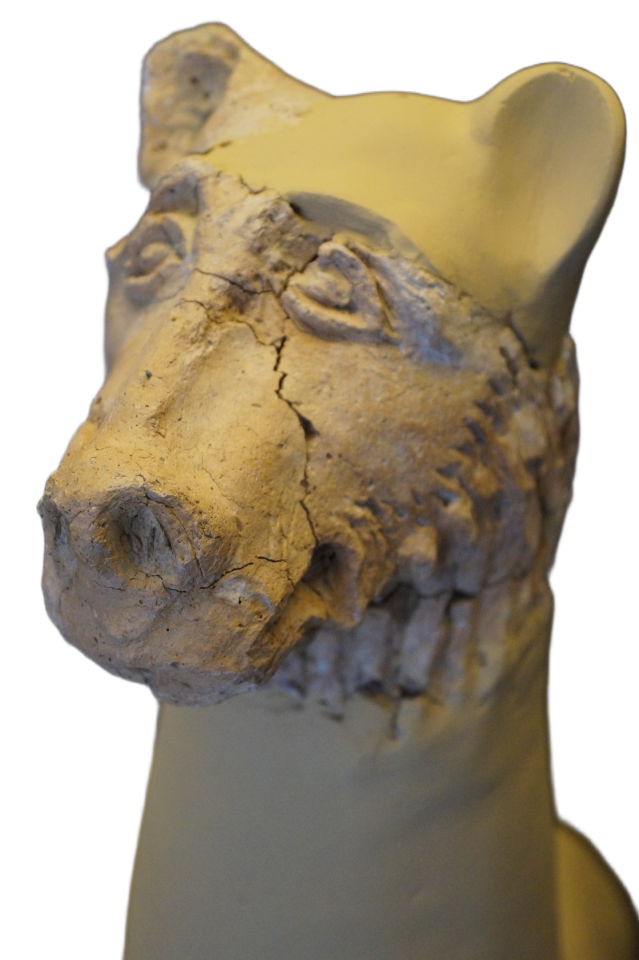
  • Inscriptional Evidence: An inscription on the chest of a large-scale Kerberos figurine mentioned Demeter, Kore (Persephone), and the King (Hades).
Sanctuary and the Olympic Games
  • Integration: Worship was closely integrated into practices observed at Olympia, specifically the Olympic Games.
  • Priestess Privilege: The priestess of Demeter Chamyne was the only married woman permitted to watch the athletic events.
  • Seating: She sat next to her stone altar, located on the left side (the north bank) of the ancient Stadium.
  • Notable Holder: During the Roman Era, the office was held by Regilla, the wife of Herodes Atticus.
  • Suggested Connection: It is suggested the running race (dromos) may have been held in honor of the goddess.
Protection and Enhancement
  • Consequence of Excavation: Creation of a large trench with nearly vertical slopes, which functioned as a catch basin for rainwater.
  • Sub-project: Implemented under the Protection and Enhancement of the Sanctuary of Demeter Chamyne sub-project.
  • Stabilization Works: Stabilization of the northern slope of the trench using a wall of reinforced concrete and micro-piles.
  • Drainage: Construction of a perimeter drainage system to manage rainwater runoff.
  • Outcome: Discovery led to the interruption of car traffic on the central road, setting the stage for the unification of Olympia’s antiquities.

Finds and Confirmation of the Cult

The identification of the Sanctuary with the cult of Demeter Chamyne was confirmed by a multitude of movable finds related to Demeter’s worship, such as clay and bronze vessels, and figurines.

Among the common finds (such as figurines of women, cattle, pigs, and protomes), the most significant and unique finding was a terracotta figurine of a two-headed Kerberos, holding popana (cakes) in its mouth.

This Kerberos, serving as an offering to Hades, the king of the Underworld, confirmed the chthonic nature of the worship.

The identification was further supported by an inscription incised on the chest of a large-scale Kerberos figurine, which mentioned Demeter, Kore (Persephone), and the King (Hades).

The Sanctuary and the Olympic Games

The worship of the goddess was closely integrated into the practices observed at Olympia, specifically the Olympic Games.
The priestess of Demeter Chamyne was the only married woman permitted to watch the athletic events.

She sat next to her stone altar, which was located on the left side (the north bank) of the ancient Stadium.

Notably, during the Roman Era, this office was held by Regilla, the wife of Herodes Atticus. It is even suggested that the running race (dromos) may have been held in honor of the goddess.

Protection and Enhancement of the Monument

The excavation work in the area of the Sanctuary resulted in the creation of a large trench with nearly vertical slopes, which functioned as a catch basin for rainwater.

As part of the sub-project “Protection and Enhancement of the Sanctuary of Demeter Chamyne,” significant engineering works were implemented, such as the stabilization of the northern slope of the trench using a wall of reinforced concrete and micro-piles.

Furthermore, a perimeter drainage system was constructed to manage rainwater runoff.